


Neither Marbella nor Estepona: the town in Málaga where luxury, nature, and extreme adventure blend
Rivers, canyons, and trails that make it a hidden paradise, one of the favorite destinations to disconnect without giving up comfort. This aquatic tour in Málaga has it all: water, gorges, and a unique experience for any hot day.
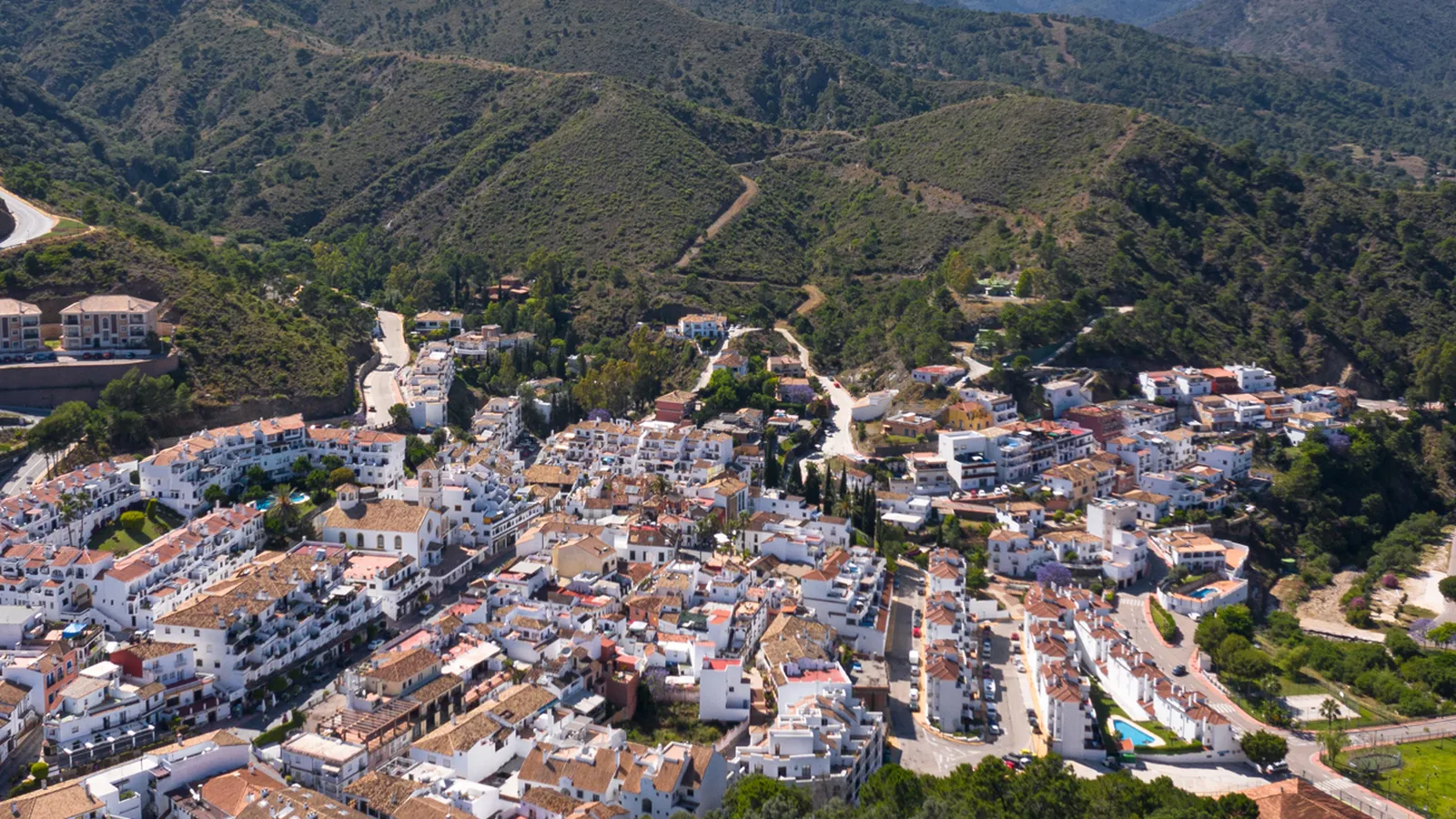

In the heart of the Costa del Sol, nestled between mountains that stretch towards the Mediterranean and valleys crossed by rivers, lies a municipality where the tranquility of a white village, the exclusivity of large developments, and the allure of nature inviting adventure coexist. Neither the grandeur of Marbella nor the expanse of Estepona, this balance, hard to find, responds to and defines Benahavís, a place that condenses a surprising diversity of landscapes, history, and experiences within a few kilometers.
Located between the Serranía de Ronda and the coast shared by Marbella and Estepona, Benahavís stands out for its strategic location. Its municipal area, one of the most mountainous in the Western Costa del Sol, is covered by vast expanses of pine, holm oak, and cork oak forests, creating a rich natural landscape. This environment is enhanced by three rivers, Guadalmina, Guadaiza, and Guadalmansa, which traverse the territory and create a landscape marked by gorges, valleys, and beautiful river courses. Between the Sierra de las Nieves and the Mediterranean Sea, the municipality combines nature, outdoor activities, and a strong tourist character, largely driven by its proximity to some of the most well-known destinations in the province of Málaga.
History and Legacy of a Strategic Territory
The origin of Benahavís dates back to the late 11th century when the Arabs founded the urban core sheltered by a defensive system linked to the Montemayor castle. This fortress, built in the 10th century, played a key role in the disputes between the taifa kingdoms of Al-Andalus due to its dominant position, from which large stretches of the coast were controlled.
Throughout the territory, remnants of this past still remain, such as the watchtowers of Leonera, Alcuzcuz, Tramores, and Daidín, which were part of a defensive network intended to protect access to the Guadalmina river valley.
After the Christian conquest in 1485, the municipality began a new historical phase that culminated in 1572 with the granting of the Carta Puebla by Philip II, consolidating its administrative independence.
Monumental Heritage with an Andalusian Imprint
The heritage of Benahavís reflects this overlay of cultures. The Montemayor Castle, although partially preserved, maintains its original imprint and is notable for the Queen's Tower and the remains of its walls. Its location allows an understanding of the strategic relevance it held for centuries.
Another notable element is the Palace of Benahavís, a 16th-century construction that combines dark stone walls with Nasrid-inspired details. In contrast, the Church of the Virgin of the Rosary, founded in the 18th century and renovated in later periods, presents a more modern and simple aesthetic, maintaining its role as a religious reference for the municipality.
Nature and Trails in a Unique Environment
The natural environment of Benahavís is one of its main attractions. The network of trails that crisscross its territory allows for exploring landscapes ranging from mountainous areas to river valleys, catering to different levels of difficulty.
Among the most representative spaces is the site of Las Angosturas del río Guadalmina, a narrow canyon where the water has sculpted the limestone rock creating natural corridors and pools. This area, known for its dynamic character, combines segments where swimming is necessary with shallower areas, creating a journey marked by direct interaction with the environment.
Charco de las Mozas, linked to local legends, is one of the most well-known spots on the river, while other places like Cerro del Duque, Guadalmansa Valley, or the site of Las Máquinas complete a diverse landscape.
Golf, Exclusivity, and Tourist Development
Benahavís also stands out for its connection to luxury tourism. In its municipal area, nearly a dozen golf courses are concentrated, totaling 216 holes distributed across complexes like Villa Padierna, La Quinta, La Zagaleta, Atalaya, Marbella Club, Los Arqueros, and El Higueral, in addition to a municipal academy.
Special mention deserves the La Zagaleta estate, considered one of the most exclusive real estate complexes in Europe, which has contributed to positioning the municipality as a benchmark within high-level residential tourism.
Parks, Green Spaces, and Local Life
Next to the urban center is the Torre de la Leonera Park, the main green lung of the municipality. Opened in 2008, this space combines landscaped areas, ponds, and walks, in addition to housing the watchtower that gives it its name, integrated into the landscape as a testimony to the town's defensive past.
The municipality also maintains a network of sports facilities and outdoor spaces that reinforce its active character, in line with an environment that favors the practice of activities such as hiking or exploring river routes.

Latest news





Upcoming events
12
Nov
El Desembarco, la traición de Viriato at La Caja Blanca
12
Nov
HOMER El Mero Mero at Sala Trinchera Málaga
13
Nov
Marbella Startup Lab – Innovate & Collaborate
13
Nov
Candlelight: Coldplay & Imagine Dragons at Sala Fundación Unicaja María Cristina
13
Nov
Candlelight: Tribute to Ludovico Einaudi at Anantara Villa Padierna
Similar News

Málaga Airport Makes History with More Than Three Million Passengers in One Month
Málaga

Port of Málaga looks beyond its docks to support future growth
Málaga

Guide to the Virgen del Carmen Processions in Málaga and the Province
Málaga
