


Human papillomavirus is responsible for 5% of all cancers and is associated with up to six types of tumors.
The Regional Hospital hosts a conference on HPV on March 27 to address its management and screening in a multidisciplinary way.
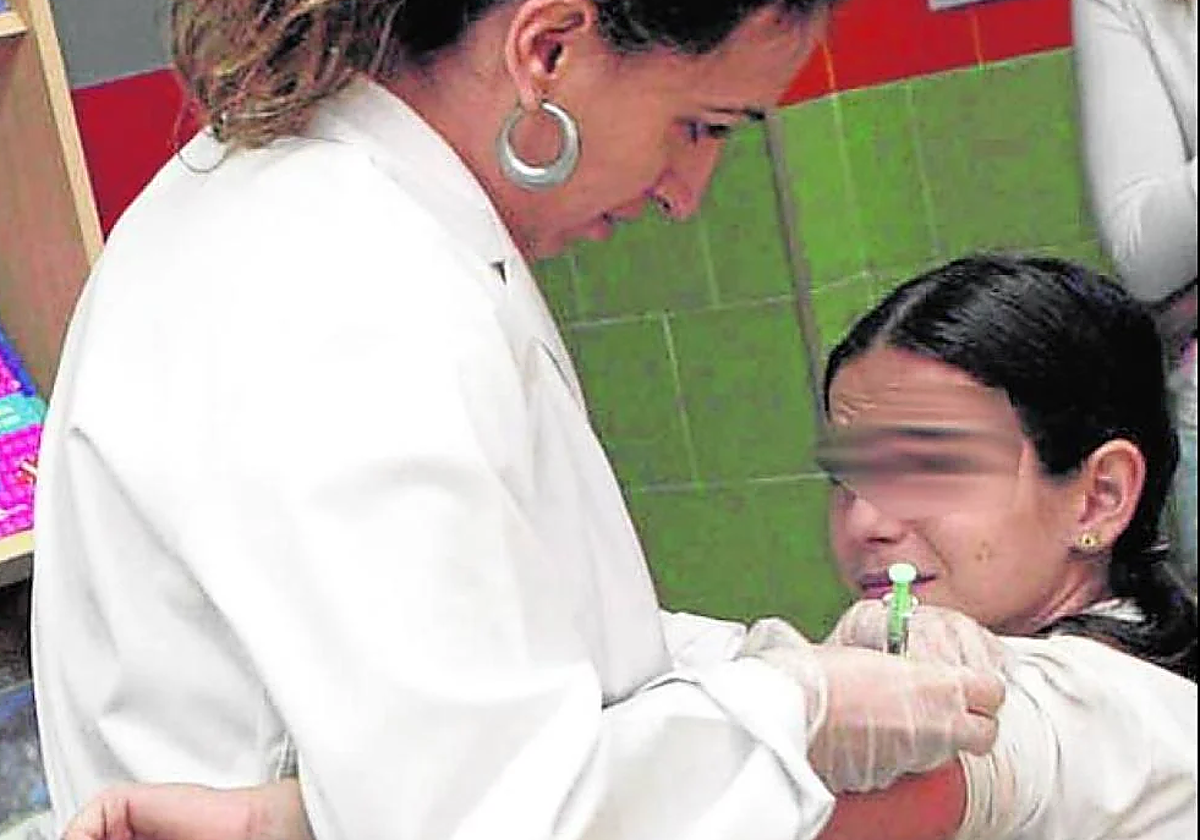

March 26 commemorates World Cervical Cancer Prevention Day. This type of cancer is related, in almost 100% of cases, to the presence of the human papillomavirus (HPV). Not surprisingly, this virus is responsible for 5% of all human cancers and is a triggering factor in six types of them: in addition to cervical cancer, 70% of vaginal cancer, 40% of penile cancer, 90% of anal cancer, as well as a variable proportion of oropharyngeal cancers (approximate data). It is also associated with vulvar cancer, according to recent information provided by the Costa del Sol Hospital in Marbella.
The Department of Health, Presidency, and Emergencies has declared war on HPV and has developed a ten-point plan with scientific societies and patient associations linked to cancer to "work together on the strategy to eliminate all cancers associated with the virus." The goal is to eliminate cervical, anal, and oropharyngeal cancer within 10 to 15 years, meaning to achieve an incidence rate below four cases per 100,000 people.
Vaccination, screening, and sexual education are the pillars of this strategy.
HPV
It is a sexually transmitted infection that can infect the skin, genital area, and oropharynx (mouth, pharynx, and larynx). It is undoubtedly the most common sexually transmitted infection among sexually active young individuals.
In the 1980s, the Costa del Sol explains, a causal relationship was established between HPV and cervical cancer and, since then, it has been associated with other types of cancerous and precancerous anogenital lesions and those of the head and neck area, as well as with benign anogenital warts (condylomata acuminata) and recurrent respiratory papillomatosis, which exceptionally affects infants born to infected mothers.
Specifically, there are more than 200 different types of this virus, of which 100 affect human mucous membranes and are classified according to their cancer risk into low-risk types and high oncogenic risk types.
In women, cervical cancer is one of the leading causes of cancer death. Anogenital warts, on the other hand, are difficult to eradicate and significantly affect the quality of life of the patients who suffer from them.
Infection
Eight out of ten sexually active people will contract the infection at some point in their lives, because it transmits even when the infected person shows no visible signs or symptoms. It can remain dormant for a long time, so detection can occur years later. Most infections are transient and are resolved by the body within two to three years after infection, although in 10%-15% of cases, the infection can persist over time and become the main risk factor for more complex lesions. It is currently impossible to predict who will only have a temporary infection and who will develop cancer.
Today, vaccination is the best strategy to contain it. By 2026, Andalusia has expanded the coverage of the vaccine against the virus. Systematic vaccination is maintained at 12 years of age for both boys and girls, and a catch-up program has been implemented that allows immunizing young people aged 13 to 21 who did not previously receive the vaccine. The schedule in adolescents is reduced to a single dose, which facilitates capture and improves coverage.
Men have the ability to infect, reminds the Costa del Sol.
Experts consulted by SUR insist on the importance of vaccination to prevent these six types of cancers, as well as the imperative need to use condoms.
Experts consulted by SUR insist on the importance of vaccination to prevent up to six types of cancers, in addition to insisting on the need to use condoms
Secondary prevention is carried out through cervical cancer screening programs, the only cancer caused by HPV for which screening tests exist.
Since 2025, population screening has been implemented in Andalusia for all women between the ages of 25 and 65, who will be notified by the Department of Health to undergo tests at their health centers. In women up to 35 years old, cytologies will be performed every three years and in those older, HPV tests, thus allowing an earlier diagnosis of cervical cancer as well as early and simple treatment.
One of the main problems of this screening is that around 15%-16% of the women called do not attend to have it done.
Days at the Regional
The Regional University Hospital of Malaga has organized this Friday at nine in the morning the III HPV Days 'Current situation, prevention, and screening of the infection caused by the human papillomavirus', which will address the phenomenon in a multidisciplinary manner. Family doctors, residents, midwives, nursing staff, and other health personnel will attend. It is held in the Auditorium of the Maternal and Child Hospital and has been organized by the UGC of Obstetrics and Gynecology. It is coordinated by the head of service, Jesús Jiménez López, and Marta Martínez Díez, a specialist in these fields.
On the other hand, the Clinical Hospital of Malaga hosted more than a hundred people this Wednesday in an update day on screening, diagnosis, and treatment regarding cervical cancer.

Latest news





Upcoming events
12
Nov
El Desembarco, la traición de Viriato at La Caja Blanca
12
Nov
HOMER El Mero Mero at Sala Trinchera Málaga
13
Nov
Marbella Startup Lab – Innovate & Collaborate
13
Nov
Candlelight: Coldplay & Imagine Dragons at Sala Fundación Unicaja María Cristina
13
Nov
Candlelight: Tribute to Ludovico Einaudi at Anantara Villa Padierna
Similar News

Málaga Airport Makes History with More Than Three Million Passengers in One Month
Málaga

Port of Málaga looks beyond its docks to support future growth
Málaga

Guide to the Virgen del Carmen Processions in Málaga and the Province
Málaga
