


It has paintings from a millennium ago, it was discovered 100 years ago and can be visited any day of the year: the secret cave of Malaga
The origin of knowledge about this cave dates back to the spring of 1905, when local farmer José Bullón entered its interior. A 3D model of the Cueva de la Pileta in Benaoján opens new possibilities for its research.

In the interior of the province of Málaga, away from the noise and the busiest routes, there are places where time is not measured in hours, but in millennia. Places where each wall retains traces of remote life and each gallery holds fragments of history that have remained hidden for centuries. In this context, a natural cavity emerges as one of the most unique sites of the Malaga heritage, combining rock art, scientific research, and a narrative marked by a casual discovery.
The Cueva de La Pileta is located in the municipality of Benaoján, in the western part of the province. This area is part of the Serranía de Ronda, a region known for its scenic beauty and ecological value. Its surroundings include natural spaces and towns that make up a territory of great interest, such as the Cueva del Hundidero, the surroundings of the Guadiaro river, the town of Benadalid or Cortes de la Frontera, located between the Grazalema and Los Alcornocales natural parks.
This site not only stands out for its scenic value but also for its significance in the fields of geology and archaeology, as it houses one of the most significant collections of rock art in southern Spain.
The discovery that changed its history
The knowledge about this cave dates back to the spring of 1905, when the local farmer José Bullón entered it in search of bat guano, used as a natural fertilizer. Instead of this resource, he found human remains, pottery, and wall paintings that evidenced the existence of prehistoric settlements.
The discoverer of the cave.The discovery did not immediately impact the scientific community. It was four years later when the discovery gained significance, after Bullón contacted William Willoughby Cole Verner, a British military officer based in Algeciras with an interest in archaeology. Through him, the cave came to the attention of Henri Breuil, one of the leading specialists in rock art of the time, and the German archaeologist Hugo Obermaier. Their studies allowed the site to be cataloged within international scientific circuits.
Conservation: a family effort
The protection of this space has been closely linked to the Bullón family. After realizing the importance of the discovery, José Bullón promoted its preservation. In 1924, his son Tomás Bullón was appointed official guardian after the cave was declared a National Monument.
His role was crucial in the subsequent development of the site. He not only took charge of its custody but also continued exploring the interior, discovered the entrance currently in use, and carried out works that facilitated access, such as the excavation of a pit over 70 meters deep. His intervention was key to consolidating the presence of the cave within the Andalusian heritage.
A natural museum with prehistoric art
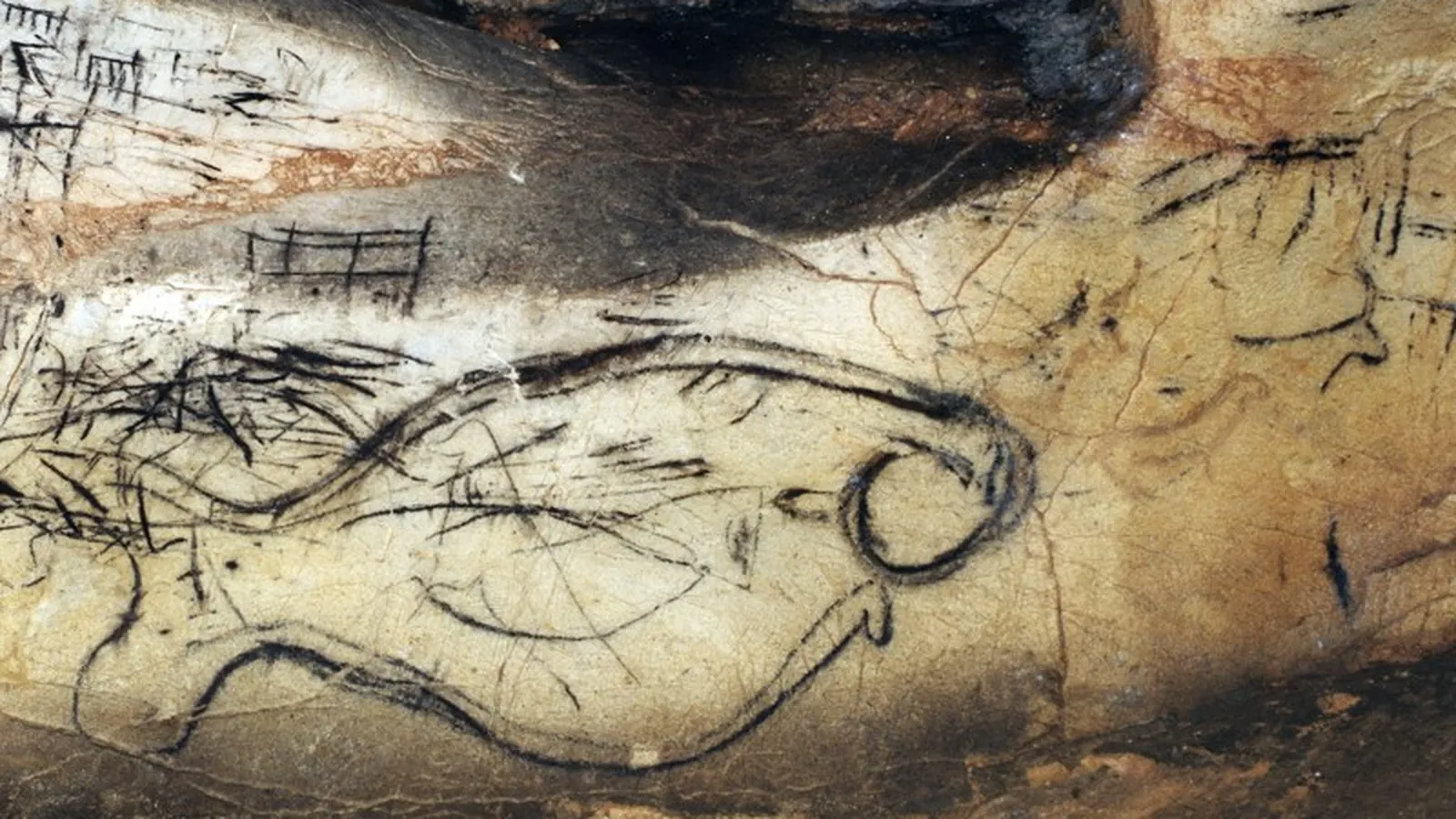
The interior of the cave is configured as a space where human activity from remote times has left a visible imprint. The walls preserve representations of animals such as a pregnant mare, fish, goats, or turtles, along with other figures whose interpretation has not yet been defined.
These artistic manifestations present similarities with other prehistoric sites in the Iberian Peninsula, reinforcing the archaeological value of the ensemble. This is complemented by objects found in various campaigns, such as bone remains, tools, or symbolic items.

Latest news





Upcoming events
12
Nov
El Desembarco, la traición de Viriato at La Caja Blanca
12
Nov
HOMER El Mero Mero at Sala Trinchera Málaga
13
Nov
Marbella Startup Lab – Innovate & Collaborate
13
Nov
Candlelight: Coldplay & Imagine Dragons at Sala Fundación Unicaja María Cristina
13
Nov
Candlelight: Tribute to Ludovico Einaudi at Anantara Villa Padierna
Similar News

Málaga Airport Makes History with More Than Three Million Passengers in One Month
Málaga

Port of Málaga looks beyond its docks to support future growth
Málaga

Guide to the Virgen del Carmen Processions in Málaga and the Province
Málaga
