


Researchers from Malaga prove that the brain has a safety network that protects it against depression.
The organ continues to produce neurons even when essential connections related to major depressive symptoms fail, which opens the door to new treatments to help patients.
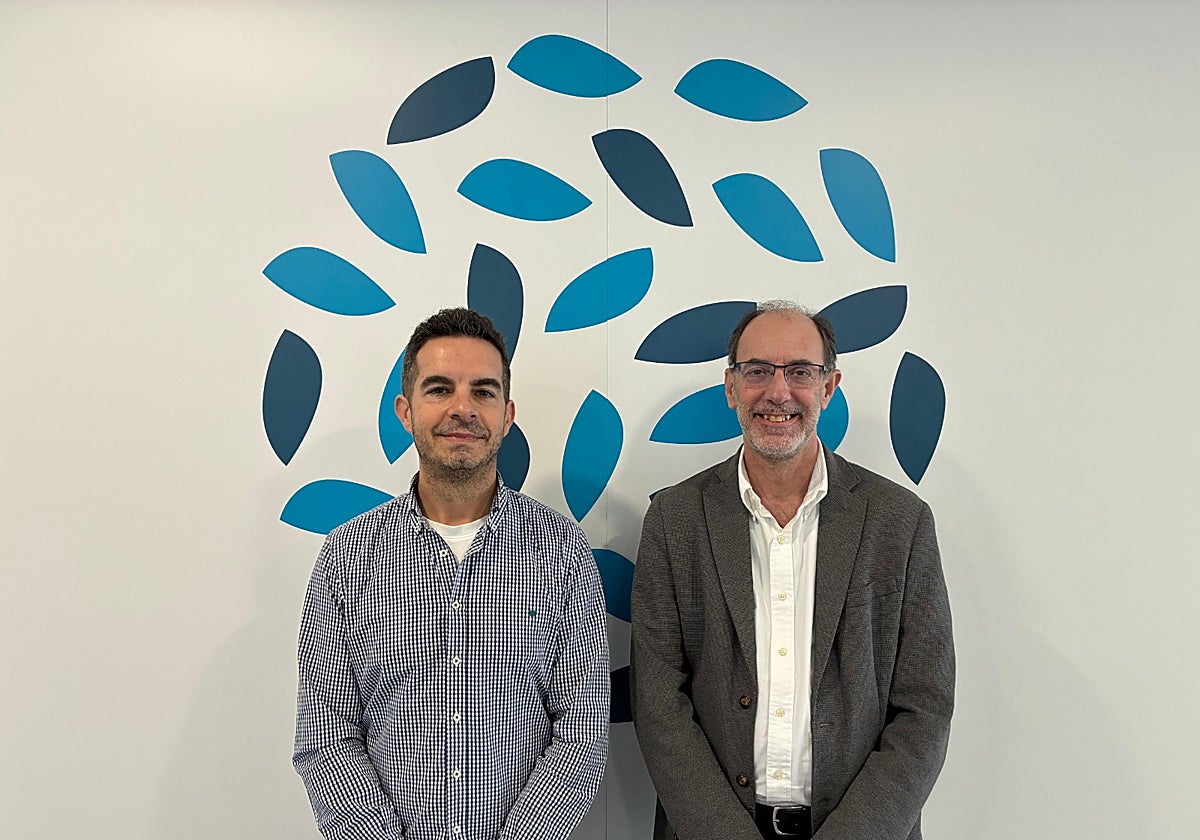

He protects himself against imbalances that could lead to mood disorders such as depression. This is the key finding of an international group of scientists, led by researchers from the Biomedical Research Institute of Málaga and the Nanomedicine Platform (IBIMA BIONAND Platform) and the Faculty of Medicine at UMA.
The hippocampus is the brain region critical for learning, memory, and the regulation of emotions. In this area, cells communicate through receptors that, instead of working alone, form alliances called heteroreceptor complexes.
To understand the importance of these alliances, scientists used advanced technology (called siRNA) to temporarily "switch off" the NPY1R receptor, a key component that normally binds with other receptors to promote mental health and the creation of new neurons.
Treatments for depressive disorder
Researchers observed that, by reducing the presence of NPY1R, the molecular alliances effectively fell apart. However, the outcome was not as expected: despite this breakdown, the brains of the subjects did not stop producing new neurons nor did they show signs of depressive behavior during the observed time.
This discovery has direct implications in the search for treatments for major depressive disorder. By understanding that the brain has these resilience barriers, scientists can design smarter drugs that not only replace what is missing but also enhance these molecular alliances in a more durable and specific manner.
Scientists from the Faculty of Medicine
The study was coordinated by Professor Manuel Narváez of the Physiology area at UMA, co-investigator responsible for the Receptomics and Signaling Networks in Brain Diseases group at IBIMA; along with Dasiel Borroto, researcher responsible for the same group; and Pedro Serrano, head of neurology at the Regional Hospital of Málaga and responsible for the Neuroimmunology and Neuroinflammation group at IBIMA, with researcher Isabel Moreno as the first author of the work. All are scientists from the Faculty of Medicine at UMA. The research includes participation from the prestigious Karolinska Institute in Sweden.
The brain appears to have reserves or safety mechanisms that maintain stable levels of protective factors, such as the BDNF protein, essential for neuronal survival
"Our findings confirm that the integrity of these receptors is vital for forming the complexes, but they also reveal a robust compensatory capacity of the brain machinery in the hippocampus," explain the authors in the consulted sources. The brain appears to have a "reserve" or safety mechanisms that maintain stable levels of protective factors, such as the BDNF protein (essential for neuronal survival), allowing the system to continue functioning even when an important piece of the machinery weakens.
The work underscores the importance of international collaboration between elite institutions such as UMA, the Regional Hospital of Málaga, IBIMA, and the Karolinska Institute, bridging basic research with clinical practice to offer real solutions to the mental health problems that affect millions of people.

Latest news





Upcoming events
12
Nov
El Desembarco, la traición de Viriato at La Caja Blanca
12
Nov
HOMER El Mero Mero at Sala Trinchera Málaga
13
Nov
Marbella Startup Lab – Innovate & Collaborate
13
Nov
Candlelight: Coldplay & Imagine Dragons at Sala Fundación Unicaja María Cristina
13
Nov
Candlelight: Tribute to Ludovico Einaudi at Anantara Villa Padierna
Similar News

Málaga Airport Makes History with More Than Three Million Passengers in One Month
Málaga

Port of Málaga looks beyond its docks to support future growth
Málaga

Guide to the Virgen del Carmen Processions in Málaga and the Province
Málaga
