


Malaga maintains special surveillance against the Nile virus in Campanillas
The Environment Department has a specific preventive program in El Tarajal, the lower valley of the Guadalhorce River, and intensifies efforts against mosquitoes with about fifty actions in other parts of the city.
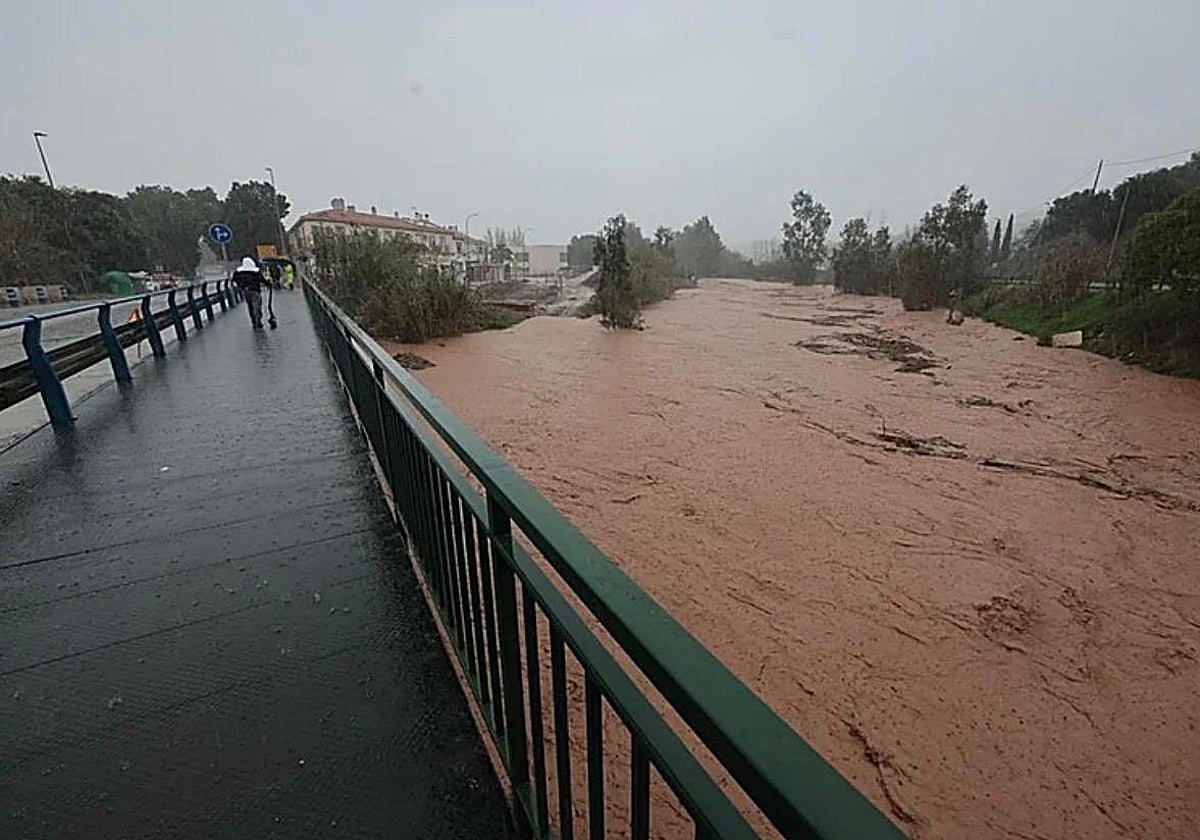

A meeting of the municipal group Vox, specifically by the deputy spokesperson, Yolanda Gómez, in the Environment Committee, served for the city councilor for the Environment of the Málaga City Council, Penélope Gómez, to explain how mosquito control has been intensified to manage diseases that could develop in humans as well as to avoid incidents like those that occurred last year in Guadalmar with clouds of mosquitoes, which prevented residents from being outdoors or engaging in sports activities.
Both the City Council and the Andalusian Regional Government are particularly concerned about the control of dipterans, especially after the appearance of cases in several parts of the autonomous community. In fact, the Regional Government has declared nine municipalities in Málaga as high risk for West Nile Fever (WNF), including Alhaurín de la Torre, Alhaurín el Grande, Almargen, Antequera, Cártama, Coín, Guaro, Málaga capital, and Pizarra.
The city councilor for the Environment explained that the fight against mosquitoes was being intensified with a surveillance and vector control plan of their own, which was combined with their own actions and public demand. She highlighted that in the case of the Tarajal neighborhood, in the lower Guadalhorce valley, in the Campanillas district, there was a special surveillance program due to the Comprehensive Surveillance and Control Program for Vectors of West Nile Fever (WNF).
The reality is that this special plan was implemented in October 2025, after the City Council received a communication from the General Directorate of Public Health of the Ministry of Health, which declared the El Tarajal neighborhood in Campanillas as an alert area, following the detection of the virus in a sample of mosquitoes taken in the vicinity of the Guadalhorce River as it passes through this neighborhood, within the framework of the controls of vector populations through traps carried out preventively. This communication only referred to the presence of the virus in mosquitoes and there had been no transmission to people. The inclusion of the neighborhood is because it is located within a 1.5-kilometer radius from the trap where the sample was taken.
The activation of this protocol, which was already contemplated in the municipal plan, was carried out in October with an increase in the inspection of stagnant waters, the application of biological larvicides, and the establishment of more traps in areas where this presence is confirmed. Thus, a team from the pest control service company along with municipal technicians have been traveling to the sampling area, where fumigation efforts of drains and potential areas with stagnant waters where larvae proliferation may occur have been intensified.
Furthermore, aerial fumigations have been carried out in the vicinity of the declared alert area and, as a preventive measure, controls and fumigation tasks have also been reinforced in other wetland areas of the city and near the Guadalhorce River, even though the presence of West Nile Virus vectors has not been detected.
Specifically, regarding other actions besides those in Campanillas, Gómez emphasized in the Environment Committee that they were scheduled monthly and biweekly in the Guadalhorce natural area from January to July. From Guadalmar, a neighborhood close to the mouth of this river, Gómez stated that she had visited last week and that the residents had congratulated her because the preventive actions against mosquitoes had been effective, and they thanked her for the way the information was conveyed and how the requests against the presence of mosquitoes were channeled.
In urban environments, according to the data provided by the Environment area, 10 interventions have been carried out in the urban environment of the Guadalmedina from January 2025 to March of this year, as well as nine in the Litoral Park, six in Tabacalera, eight in Guadalmar, eight at the mouth of the Guadalhorce, in the natural area, and three in Santa Rosalía (Campanillas).
The Environment area has also acted on 94 occasions from March of last year to the present due to neighborhood requests, in 50 cases for mosquitoes, and in 44 notices for flies.
The new contract against mosquitoes, wasps, rodents, and arthropods was formalized last July with the company LOKIMICA, with an award worth 904,000 euros for three years, and in which a technical manager, a supervisor, an administrative officer, an administrative assistant, and eight drivers applying the products work, as reported by the Málaga City Council.

Latest news





Upcoming events
12
Nov
El Desembarco, la traición de Viriato at La Caja Blanca
12
Nov
HOMER El Mero Mero at Sala Trinchera Málaga
13
Nov
Marbella Startup Lab – Innovate & Collaborate
13
Nov
Candlelight: Coldplay & Imagine Dragons at Sala Fundación Unicaja María Cristina
13
Nov
Candlelight: Tribute to Ludovico Einaudi at Anantara Villa Padierna
Similar News

Málaga Airport Makes History with More Than Three Million Passengers in One Month
Málaga

Port of Málaga looks beyond its docks to support future growth
Málaga

Guide to the Virgen del Carmen Processions in Málaga and the Province
Málaga
