


The Regional Hospital of Málaga will address the most complex cases of chronic pelvic pain
22.8% of the people from Malaga suffer from this condition, around 130,000 individuals, with symptoms ranging from mild discomfort to a severity that can be disabling.
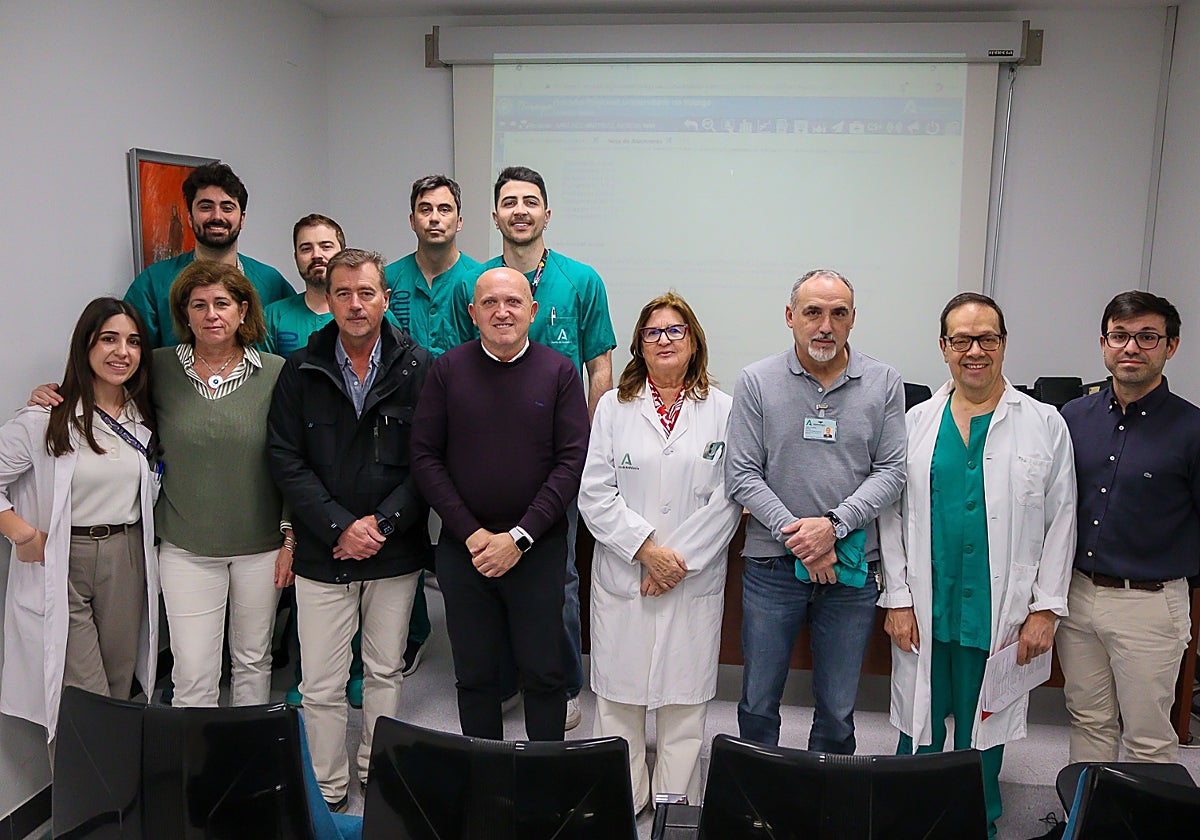

A study conducted in Málaga by the Faculties of Health Sciences of UMA, UJA, UAB, the Institute of Advanced Urological Surgery, and the Urology Service of San Carlos Clinical Hospital in Madrid estimates that 22.8% of the population aged between 16 and 65 could suffer from chronic pelvic pain, amounting to approximately 130,000 people in the province. Despite this, not all have been diagnosed, and the severity of the problem ranges from mild discomfort to pain that can be disabling. For the most severe cases, the Regional University Hospital of Málaga has created a committee in which all disciplines treating this pathology participate in order to provide joint solutions to the five or six most treatment-resistant cases per month, patient profiles that will be analyzed when the committee meets.
It is a pioneering initiative in Andalusia, also implemented at the University Hospital Nuestra Señora de Valme in Sevilla, although this center does not offer the possibility of group psychotherapy.
In this context, rescuing means giving a new opportunity to people who have cases resistant to various treatments in order to offer them different therapeutic alternatives discussed among specialists from different areas.
Causes of Pain
Some common causes of pain are endometriosis, urological, digestive, or musculoskeletal problems. Chronic pelvic pain is more common than one might think, and many people do not seek consultation or take years to do so.
"The vast majority of cases are monitored by two specialties: this ensures that we do not make redundant decisions, but rather joint ones," explains Dr. Néstor Sánchez, the urologist who initiated the project, insisting on providing a comprehensive approach.
These patients have a long clinical history and multiple therapeutic attempts
The new committee includes professionals from the Urology, Gynecology, General Surgery, Anesthesia through the Pain Unit, Rehabilitation and Physical Medicine, Mental Health, and also Clinical Psychology departments.
Its goal is to offer a coordinated and comprehensive approach to patients presenting with pelvic pain syndromes and, due to the complexity of their pathologies and symptoms, require intervention from different specialties. "These patients usually have a long clinical history and multiple therapeutic attempts: the creation of the committee allows us to analyze each case jointly, review tests, evaluate new treatment options, and design a personalized plan that takes into account not only the pain but also the impact on their quality of life."
A Multidisciplinary Vision
Dr. Néstor Sánchez gives an example that perhaps Urology can offer treatments that Gynecology or Surgery do not have and vice versa, that is, other areas may propose other therapies. "It aims to expedite the times and also offers a psychotherapeutic and holistic approach to cope with pain; not everyone is a candidate, we are talking about complex cases, five or six people per committee, which meets once a month," he explains, to emphasize: "The most treatment-resistant cases."
Cases are reviewed at the discretion of the responsible physicians, who raise the proposal to the committee for joint analysis. Among the measures considered is, when indicated, participation in group psychotherapy sessions with patients in similar situations, with the aim of improving autonomy, the experience of the illness, and the overall experience of the care process.
"Until now, we had individual tools from each specialty, but working in a coordinated way creates very powerful synergies," explains urologist Néstor Sánchez, the initiator of the initiative
"Until now we had individual tools from each specialty, but working in a coordinated way creates very powerful synergies: we function as a gear in which each professional contributes their experience to achieve a common goal: excellence in care," he emphasizes.
The initiative is novel at the regional level and there are few organized groups of this kind at the national level, which will allow the hospital to lead clinical outcomes and share the experience in scientific forums.
All professionals understand, after the first meeting of the committee, that continuity and enhanced coordination will contribute to improving health outcomes and the quality of life of these individuals.

Latest news





Upcoming events
12
Nov
El Desembarco, la traición de Viriato at La Caja Blanca
12
Nov
HOMER El Mero Mero at Sala Trinchera Málaga
13
Nov
Marbella Startup Lab – Innovate & Collaborate
13
Nov
Candlelight: Coldplay & Imagine Dragons at Sala Fundación Unicaja María Cristina
13
Nov
Candlelight: Tribute to Ludovico Einaudi at Anantara Villa Padierna
Similar News

Málaga Airport Makes History with More Than Three Million Passengers in One Month
Málaga

Port of Málaga looks beyond its docks to support future growth
Málaga

Guide to the Virgen del Carmen Processions in Málaga and the Province
Málaga
