


Andalusia Day: Traditions Celebrated in the Province of Málaga on February 28th
The Pilgrimage of the Saint, the Jug Game, or the festival of the Soup of the Seven Branches take place every year on this day.

On February 28th, Andalusia Day, the celebration is not limited to institutional acts and flags on balconies. In many towns of the province of Málaga, this festive day has become a significant date on the local calendar, marked by unique celebrations that blend gastronomy, pilgrimages, sports, traditional games, and cultural programming. Beyond official speeches, February 28th also serves as an opportunity to reinforce Andalusian identity through local customs, preserved or reinvented over time by each municipality. Here are some of the most distinctive traditions and customs celebrated on Andalusia Day in various corners of the province.
In the Serranía de Ronda, February 28th coincides with one of the most established culinary events in the inland of Málaga: the Benarrabá Gastronomic Fair. This event, with more than two decades of history, is held on the weekend closest to Andalusia Day and brings together locals and visitors around the traditional cuisine of the region.
During these days, live culinary demonstrations, tastings of the local star dish—meat salmorejo—musical performances, and professional contests, such as the ham slicing competition, attract specialists from different parts of the country. Bars set up counters on the streets and stands selling gastronomic and artisanal products from the area are available.
The fair also has a significant economic impact, as it boosts tourism for rural accommodations in Benarrabá and other municipalities in the Serranía de Ronda.
In the Guadalhorce Valley, February 28th is linked to the popular pilgrimage to the summit of the Gibralmora mountain, where the statue of the Sacred Heart of Jesus, known as the Santo de Pizarra, stands. The current sculpture, installed in 1995 following a neighborhood initiative, has become one of the symbols of the municipality. Each Andalusia Day, locals and visitors climb to this natural viewpoint in a day that combines hiking, coexistence, and religious tradition. From the top, there is a broad panorama of the valley and nearby mountains, making the pilgrimage a spiritual and scenic experience. The celebration is now part of the local festive calendar and reinforces the link between heritage, nature, and collective identity.
In the Sierra de las Nieves area, El Burgo celebrates Andalusia Day with one of the most unique gastronomic tributes in the province: the Fiesta de la Sopa de los Siete Ramales.
From early in the morning, a large popular soup is prepared under a tent, following the traditional recipe made with settled peasant bread, tomatoes, green peppers, onions, garlic, wild asparagus, and eggs. This is a local variant of Andalusian peasant soups, deeply rooted in the area and distinguished by the use of asparagus. Once the soup is ready, hundreds of portions are distributed among attendees until supplies run out. The day usually ends with a market of artisanal products and other cultural activities, turning February 28th into a true celebration of coexistence among locals and visitors.
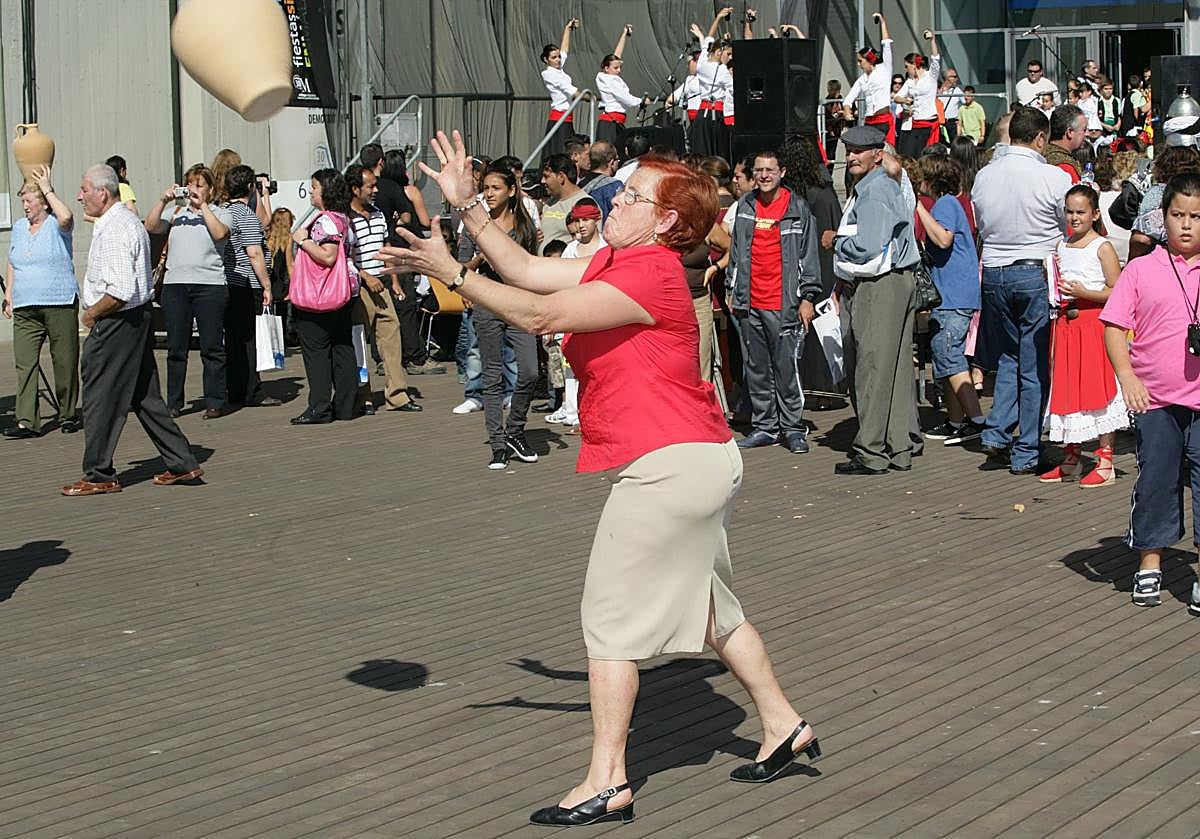
In the Serranía de Ronda, Montejaque keeps alive one of the most unique traditions of the provincial festive calendar on every February 28th: the Juego del Cántaro. This celebration recalls the time when women went to the public fountain to collect water before home water supply was available.
During the day, participants stand in a circle in the square and throw a clay jug among themselves. Skill is key, as the container can break if not caught correctly. When this happens, the player is eliminated. The competitive nature, the risk of the jug shattering, and local participation make this tradition one of the most striking acts of Andalusia Day in the province of Málaga.
In Casares, February 28th holds a particularly symbolic meaning. In this town, Blas Infante, considered the father of the Andalusian homeland, was born in 1885. His Birthplace, now open to visitors, is one of the most emblematic sites of the Andalusia Day celebration in the town.
The commemoration is part of the broader Andalusia Week, a cultural program that includes educational activities, meetings, concerts, and institutional acts linked to the figure of Infante and historical Andalusism. Thus, February 28th in Casares transcends the festive day and becomes a claim for memory and Andalusian identity from the birthplace of its main reference.
In the Sierra Norte de Málaga region, Archidona celebrates Andalusia Day with its traditional February 28th Race, a sporting event that brings together participants of all ages at the Paseo de la Victoria.
With categories for children and adults and adapted distances, the race promotes intergenerational participation in a festive atmosphere. Free registration encourages locals and visitors to join this well-established activity in the local calendar.
Archidona's connection with Andalusia Day goes beyond sports. Blas Infante studied his baccalaureate at the Escolapios school here, a key stage in his education. This detail enhances the symbolism of February 28th in the municipality, which combines civic activity and Andalusist memory.
In addition to these towns, other municipalities and cities in the province organize specific acts on February 28th. Among them are Riogordo, Sedella, Comares, Manilva, Monda, Fuengirola, and Torremolinos, among others.

Latest news





Upcoming events
12
Nov
El Desembarco, la traición de Viriato at La Caja Blanca
12
Nov
HOMER El Mero Mero at Sala Trinchera Málaga
13
Nov
Marbella Startup Lab – Innovate & Collaborate
13
Nov
Candlelight: Coldplay & Imagine Dragons at Sala Fundación Unicaja María Cristina
13
Nov
Candlelight: Tribute to Ludovico Einaudi at Anantara Villa Padierna
Similar News

Málaga Airport Makes History with More Than Three Million Passengers in One Month
Málaga

Port of Málaga looks beyond its docks to support future growth
Málaga

Guide to the Virgen del Carmen Processions in Málaga and the Province
Málaga
