


Five Keys to Understanding the Present and Future of Spanish Wine
Surnames with history, lands that breathe, or non-alcoholic bottles mark an edition of the wine fair that once again breaks records.
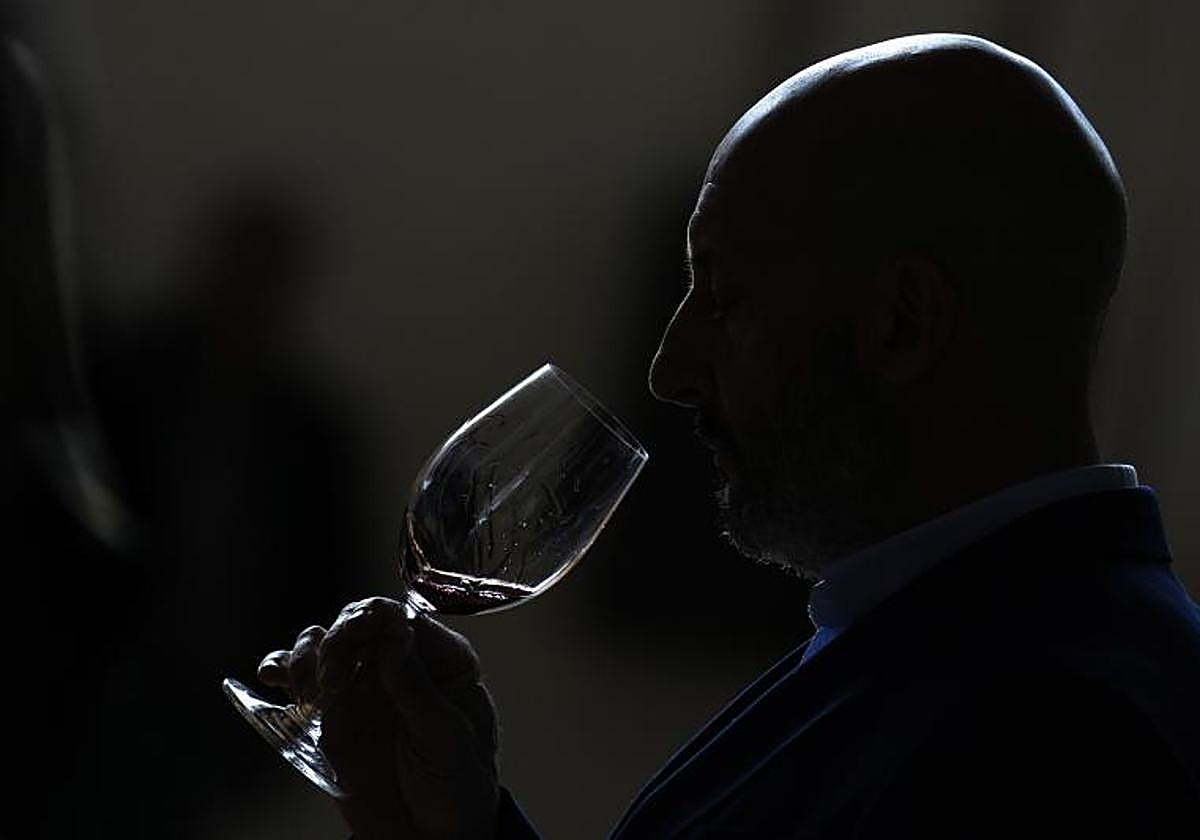

The figures from Barcelona Wine Week are more dizzying than the wine itself: 26,000 visitors, 1,350 wineries, 90 designations of origin or quality seals, and nearly a thousand foreign buyers. In a time of commercial uncertainty and shrinking consumption, Spanish wine stands proud at the industry's most important fair. This edition, which has focused on the human factor, highlights some of the trends shaping the present and future of wine: how it is made, how it is drunk, and how it is discussed.
-
With the Nose to the Ground
First, it was about aging, where the time in barrel determined the quality of the wine. Then it was about the grape, with a strenuous effort to recover minority native varieties, we then learned what torrontés or garnacha tintorera were. Now, experts are focusing on the soil, tending to explain wines based on the land where the vines grow. Get ready to hear sommeliers ramble about the minerality that a limestone soil contributes, the opulence and roundness of a clay soil, or why slate gives the wine tension and verticality. This trend connects with the strong commitment to single-vineyard wines and the revaluation of village wines, without forgetting that what ends up in the glass is always the result of a combination of factors: climate, orientation, age of the vineyard, and the hand of the winemaker.
-
Heirs Going Their Own Way
Surnames like Eguren, Gramona, Pariente, or López de la Calle carry weight in the world of wine, but not enough to crush the personality of the names that bear them. This edition of the Barcelona Wine Week has been dedicated to the human factor, and it has clearly highlighted the great family sagas. "We have received a fantastic inheritance, difficult to surpass," admitted Roc Gramona. Perhaps that's why the sixth generation at the helm of the Penedés house decided to undertake a parallel project, L'Enclós de Peralba, more free and personal, without compromising the centennial identity of the family label. A similar path was followed by Ramón Roqueta, Eduardo Eguren, and Willy Pérez, who participated in a tasting about the delicate balance between family legacy and personal identity. "What great little wines you are making," Eguren recounted his father saying when he started with Cuentaviñas.
-
The Digital Oracle
If we can ask artificial intelligence for a medical diagnosis or emotional advice, how could its possibilities not be leveraged in the world of wine? At the Barcelona Wine Week, there was talk of how it is used both in the vineyard and in the winery. Carlos Tarragona from Espectral Geo explained that today they can predict diseases and calculate impacts up to twelve days in advance, relying on data from the previous eight years; a small digital oracle that provides some leeway in an era of unpredictable climate. It can also handle reservations and inquiries 24 hours a day, as it does at Pradorey, even closing deals with clients or organizing the visit of a tourist with special needs. But everyone agreed on one essential point: AI never works alone. It requires a human to supervise it, to decide what information to feed, how to manage it, and what margin of decision to leave it. However, adapting is not an option, but a necessity: "Not doing so would be like in 2000 having refused to have a website to stay in the yellow pages."
-
Non-Alcoholic Wine
Without getting drunk, without testing positive in a control, and without a hangover the next day. Non-alcoholic wine has ceased to be a promise or a timid prototype to become a rapidly growing business line in many wineries. The Barcelona Wine Week included a tasting titled 'No/Low, high level: non-alcoholic wines that are no longer a plan B,' to explore what is being done in the category of totally or partially de-alcoholized wines. Giants like Freixenet, Peñascal, or Málaga Virgen have launched 0.0% versions of their classics, seeking to maintain aromas and personality. A way to adapt to a change in the consumption habits of young people who opt for a healthier lifestyle.
-
Who Sets the Tone
Winemakers continue to pay homage to the presence of Jancis Robinson, the world's most influential wine critic, who attended the Barcelona Wine Week to lead a tasting alongside Ferran Centelles about wines that have set trends in recent years. Although her ability to elevate a label with a high score remains strong, the ways to discover a wine are changing. Alongside classic guides and renowned critics, recommendations through blogs or social networks are emerging today as equally or more influential. Amaia Soto, Carlos González, and Santi Rivas discussed how wine recommendation has evolved. Because recommending with criteria remains very valuable in a sector as fragmented as wine. "It's not enough to say 'this wine is good,'" Rivas said; you have to know how to tell its story, convey the landscape, or the hands that make it.

Latest news





Upcoming events
12
Nov
El Desembarco, la traición de Viriato at La Caja Blanca
12
Nov
HOMER El Mero Mero at Sala Trinchera Málaga
13
Nov
Marbella Startup Lab – Innovate & Collaborate
13
Nov
Candlelight: Coldplay & Imagine Dragons at Sala Fundación Unicaja María Cristina
13
Nov
Candlelight: Tribute to Ludovico Einaudi at Anantara Villa Padierna
Similar News

Málaga Airport Makes History with More Than Three Million Passengers in One Month
Málaga

Port of Málaga looks beyond its docks to support future growth
Málaga

Guide to the Virgen del Carmen Processions in Málaga and the Province
Málaga
