


Seven Plans for White Week in Malaga with Children (to go with their parents or grandparents)
From nature and heritage to indoor educational experiences, these proposals allow turning the school break into a perfect opportunity to learn, have fun, and get to know the province better as a family.

The last week of February is special in the province of Málaga. Coinciding with Andalusia Day, most schools are closed, and families look for plans to make the most of these days without necessarily going far from home. The so-called White Week has become a very special break in the middle of winter, ideal for short getaways, rediscovering nearby spots, and spending time among parents, children, and even grandparents. With the recent rains leaving landscapes greener and rivers stronger, and with cultural and leisure proposals spread throughout the regions, the province offers alternatives for all tastes. From nature and heritage to indoor educational experiences, these seven plans allow turning the White Week into a perfect opportunity to learn, have fun, and get to know Málaga better with family.
Excursions to see waterfalls. If the weather permits, this White Week is going to be one of the most suitable in recent years to see the positive consequences of the recent rains. The rivers are strong and the waterfalls are more spectacular than ever. There are waterfalls and springs that can be discovered through a relatively easy hiking trail and others that are even right next to the road. Among the most accessible are the Fuente de los Cien Caños (Villanueva del Trabuco), the Birth of the Genal (Igualeja), El Chorro (Villanueva del Rosario), or the great waterfall of Benaoján. Among the latter, one can choose from doing the route of the Mills to approach the birth of the Zúas (Júzcar) to the trail of the Waterfalls (Tolox), which allows reaching the foot of the Salto de la Rejía, the most vertiginous in the province of Málaga.
The most obvious is probably the Blue Village, that is, Júzcar, which more than a lustrum ago ceased to be the Smurf Village, but it is not the only Malaga village that has been filled with color in recent years, which has undoubtedly become a good attraction for excursions with children. Very close by are many options that can serve to complement a getaway these days. This is the case of Cartajima, the highest village in the Serranía de Ronda, which also boasts many murals on the walls of its houses; or Parauta, famous for three years for its Enchanted Forest. Although the chestnut grove barely shows the greenery of its leaves today, it can be a good time to visit both for a short route or to tour the urban area itself, which is full of surprises. To these villages, we must also add Pujerra, which displays decorations as colorful as they are fun: from trash bins that have eyes to pots with legs. In addition to these localities, there are others where murals or sculptures abound, such as Genalguacil (the pioneer in bringing art to the streets), Cortes de la Frontera, Igualeja, or even neighborhoods in cities like Fuengirola and Estepona.
White Week can be a perfect opportunity for children to discover for the first time what a pinsapo is, a fir tree exclusive to the southern Iberian Peninsula that grows in protected areas like the Sierra de las Nieves National Park and the Reales de Sierra Bermeja. Winter, moreover, is an ideal time to visit them: their intense green color contrasts with the landscape and allows explaining that they are a botanical relic from the glacial era.
For trips with children, it is advisable to opt for simple and well-signposted routes, such as the journey between Puerto del Saucillo and the Cueva del Agua (Yunquera), practically flat and just two kilometers each way, or the Paseo de los Pinsapos, in Sierra Bermeja, which barely exceeds one kilometer. Beyond the walk, the excursion can turn into a small outdoor nature class: observing their stiff and prickly leaves, their cones pointing skyward, and understanding why these forests are so protected helps to foster respect for a natural treasure unique in the world.
Another very original proposal for White Week is to delve into one of the two large plant labyrinths that have opened in the province in the last year. In the Serranía de Ronda, the Laberinto de Arriate surprises with its tall cypresses and its Victorian-inspired design, considered the largest in Spain of this style. In addition to the main route, it has a cactus garden and pedal cars, making it a very complete plan to spend the morning. However, it is currently closed for maintenance due to mud accumulated at the access, although its managers are working to reopen it as soon as possible, so it is advisable to check their social networks for a possible reopening during White Week. In the Antequera region, Laberintus Park, in Humilladero, has already reopened after several weeks of improvement works. It boasts of being the largest plant labyrinth in Spain and the first biotechnological one, with interactive proposals and traditional games that turn the experience into a fun adventure for children and also for their parents or grandparents.
This short period of school holidays can also be a good opportunity to discover different museums, those that surprise and hook children almost without realizing it. In Colmenar, the Honey Museum allows learning in a didactic way how bees work, what a hive looks like inside, and why this product has been so important in much of the province of Málaga. In the Axarquía, the Bandolero Gallery in El Borge brings closer the world of romantic banditry with an almost cinematic narrative, full of characters with nicknames and feats that awaken the imagination. In the north of the province, the Toy Museum of Spain and the World, in Cuevas de San Marcos, is a safe bet: more than two thousand pieces that allow the little ones to discover how their grandparents played, with trains, cars, dolls, and gadgets that today seem almost incredible. And to complete the route, nothing like searching for surprising pieces in some museum spaces in the province, from the tiny pieces of the Miniature Museum in Mijas to the Warrior's Tomb in the Archaeology Museum in the Palacio de la Aduana. An indoor plan, perfect if the weather does not accompany, that combines fun and learning in family.
Another perfect proposal for White Week is to tour some of the most accessible castles in the province and turn the visit into a small medieval adventure. In the Guadalteba region, relatively close to each other and fully visitable, stand out the castle of Estrella, in Teba; the Peña castle, in Ardales, which also offers spectacular views; and the Hins Canit castle, in Cañete la Real, another of the great border strongholds during Al-Andalus. These are places where it is easy to explain to children what life was like in the Middle Ages, what function the walls had, or why these fortresses were built in strategic locations. Also, there are episodes as striking as that of Sir James Douglas.
The castles of Casares and Águila (Gaucín) can also be combined in the same getaway, relatively close to each other and with views that, on clear days, reach the Strait of Gibraltar. Added to them are the renovated castle of Álora, which retains a valuable horseshoe arch; the imposing fortresses of the alcazaba of Antequera and the castle of Archidona; what remains of the fortress of Comares, perched on one of the most spectacular natural balconies of the Axarquía; the fortress of Zalia; or the quaint castle of Benadalid. Outdoor history to learn while playing with family.
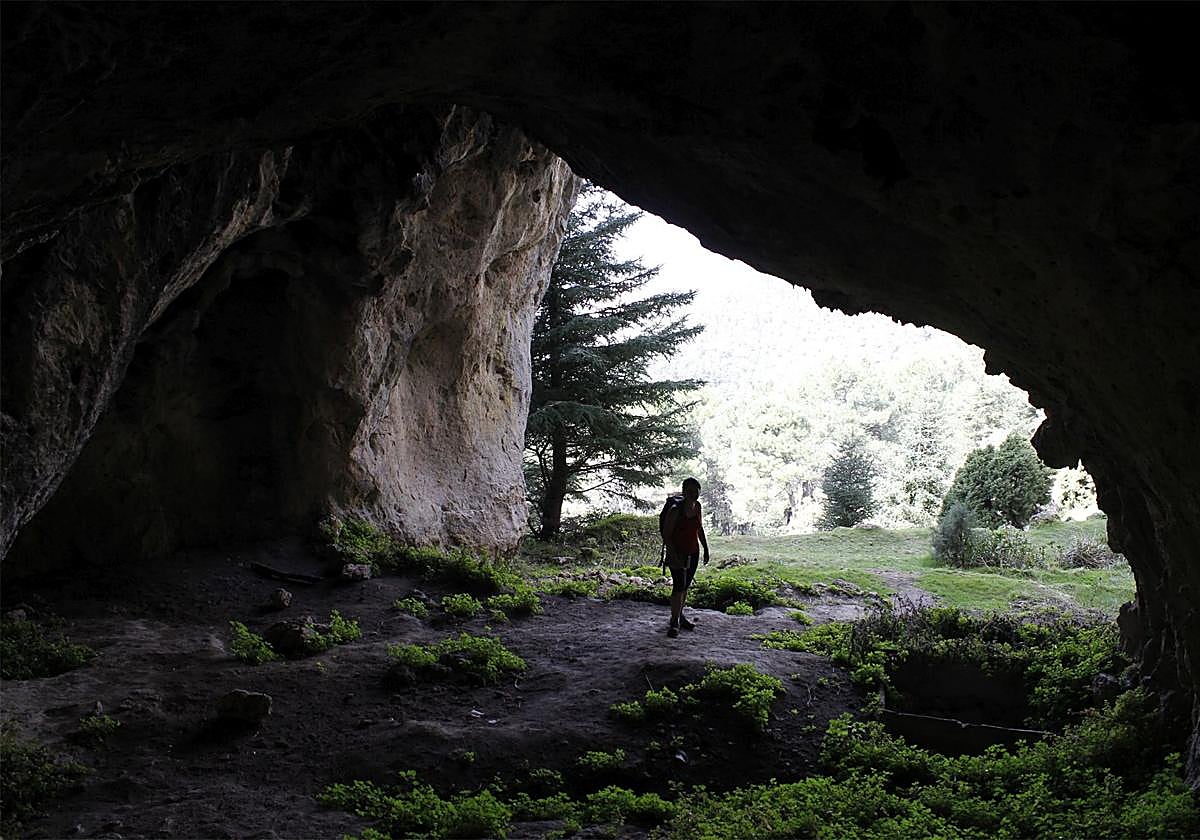
White Week can also become a real journey to Prehistory. The visitable caves of the province allow children to discover how the first settlers lived while observing stalactites, stalagmites, and cave paintings that seem taken from an adventure book. The most famous is the Cave of Nerja, an impressive natural museum where, in addition to giant geological formations, human remains from thousands of years ago are preserved. In the Cantal, in Rincón de la Victoria, the Cueva del Tesoro offers an accessible and very didactic tour. For a more authentic and less illuminated experience, the Cave of Ardales is ideal for the elders to understand the importance of cave art, although here it is necessary to book the visit well in advance. And in the Serranía de Ronda, the Cave of the Pileta preserves spectacular paintings of Paleolithic animals. Moreover, all maintain a mild temperature throughout the year, making them a comfortable and educational plan to share with the family.

Latest news





Upcoming events
12
Nov
El Desembarco, la traición de Viriato at La Caja Blanca
12
Nov
HOMER El Mero Mero at Sala Trinchera Málaga
13
Nov
Marbella Startup Lab – Innovate & Collaborate
13
Nov
Candlelight: Coldplay & Imagine Dragons at Sala Fundación Unicaja María Cristina
13
Nov
Candlelight: Tribute to Ludovico Einaudi at Anantara Villa Padierna
Similar News

Málaga Airport Makes History with More Than Three Million Passengers in One Month
Málaga

Port of Málaga looks beyond its docks to support future growth
Málaga

Guide to the Virgen del Carmen Processions in Málaga and the Province
Málaga
