Takumi: "From Marbella to Fukuoka"
A kitchen that transcends purely Japanese cuisine without losing its essence, where the product has increasingly gained prominence.

It has been almost fifteen years since I stumbled upon Takumi by chance, in a small venue in the Plaza del Mar Shopping Center, next to the Marbella seafront. At first glance, it was just another Japanese restaurant, offering a mix of Japanese dishes with others that appealed to the fusion trend so popular back then. It was an offer that, had it not been for the talent and the alliance of two inseparable families formed by Anabel Amuedo, Emi Noda, Álvaro Arbeloa, and Toshio Tsutsui, would have gone unnoticed in the gastronomic scene of the Costa del Sol. A venture that, to this day and through sheer effort and determination, has become one of the most brilliant and solid proposals in Marbella, with branches in Malaga and soon, in Madrid.
But let's return for a moment to the origins: Takumi as a noun refers to "master" or "artisan" but also as an acronym for its creators. "T" for Toshio, the master born in Fukuoka and trained in restaurants in Tokyo and Los Angeles as a chef. "A" for Álvaro, from Cadiz adopted as a Marbella local, trained at the Marbella school of hospitality and seasoned in kitchens around the world, from Shanghai to Punta del Este, passing through England and Mexico. And "Kumi," for the team they form with Anabel and Emi. It is a declaration of intent and a clear clue about the philosophy of this restaurant. Takumi is a family. Or rather, two families turned into one by life, by friendship, and by gastronomy.
Toshio and Emi embody the purity, the essence of Japanese cuisine and to them we owe the flashes of authenticity in the menu, the ongoing R&D from their home lab, and those special dishes with which they sometimes surprise in their omakase menu that incorporates the local pantry into the Japanese ethos. Arbeloa brings that part closer to fusion, that constant interplay between product and technique and the combination of ingredients from here and there. Orthodoxy and spark. A cuisine that transgresses the purely Japanese without needing to lose its essence and in which the product has increasingly gained greater prominence. The three together form an unbeatable team that is complemented by Anabel in the dining room, especially since they moved to their current location at the corner of Gregorio Marañón and Pablo Casals and gained in space and comfort. If Álvaro Arbeloa has had one virtue, it is his ability to create teams and delegate to young and capable people. From the Takumi bar, talents such as Antonio Jiménez or Sergio Solís have emerged, a worthy successor to Toshio at the sushi bar.
The Takumi menu is structured in a classic way and covers the main cooking techniques of Japanese cuisine: cold and hot starters, sashimi, sushi, hot cooking, wok, teppan yaki, and tempura. Added to these are some dishes that can be ordered by request. We're talking about delights like ramen noodle soup or sukiyaki. But, undoubtedly, the best option is to let yourself be guided by the Omakase menu and allow the masters to decide at their will.
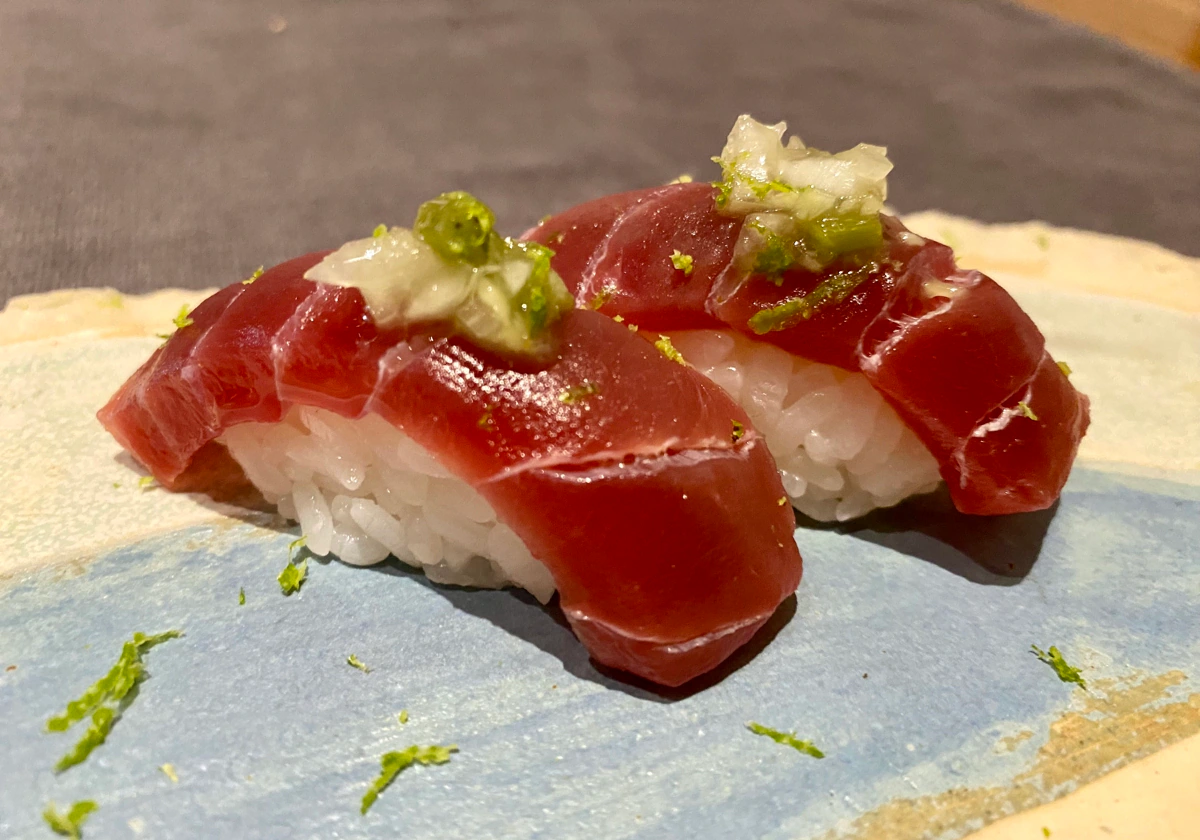
In this sense, it is advisable to always include the sashimi moriawase with sugata – the master's selection – which, in addition to offering fish cut with precision and exuberant freshness, must be the most beautifully presented sashimi dish in this country. We will continue, always under their judgment, with delicacies such as oyster in tempura with ponzu sauce, akami tartare and caviar, or shiso leaf in tempura with shrimp tartare and caviar to culminate in a true festival of sushi, the protagonist of this house, especially its nigiris. Small pieces, well measured, with rice slightly piquant from the vinegar but soft and delicate, not clumped, served at the correct temperature, warm. Sea bass belly with yuzu, lemon fish belly with shiso, royal mackerel with umu, squid with textured soy, smoked tuna with smoked soy and shiso, the now classic scallop with plankton butter and kabayaki sauce or sardine with grated ginger. A spectacle. We can finish the sushi session with some of the stars of the menu like the tempura roll of prawns and green asparagus or the spicy negitoro temaki.
It would be advisable – in this ideal menu as ambitious as it is fictitious – to delve into the hot cooking of Takumi which hides truly remarkable dishes. To start, those wonderful wagyu niku gyozas that Arbeloa excels at and that are a hallmark of the menu. Also, some yasai yakisoba sautéed with vegetables, a duck teppanyaki, a tempura of prawns and vegetables, or that comforting udon soup with fried shrimp and a memorable dashi.
Takumi has grown in all aspects, becoming increasingly "professionalized," if I may use the expression, as can be seen in the huge improvement since its beginnings in the wine list that now allows for very good drinking at relatively reasonable prices. Good selection of Champagnes and sakes well accompanied by generous and white wines that pair well with this delicate and subtle cuisine.
Alongside this, increasingly careful details in a dining room that seems to have gained in prestige and a service that is courteous and diligent and has improved in service pace. On the other hand, it should be noted that Takumi is not a cheap restaurant. No Japanese restaurant – due to the raw materials and the tremendous loss they suffer, the cost of imported products, and the need for staff imposed by a cuisine applying very different techniques – should be. It is not the usual neighborhood "japo" with pieces tucked into plastic boxes nor does it intend to be. But the expenditure is worth it, especially when it is a restaurant that shines more when the product and the delicacy in handling it speak for themselves.
TAKUMI
Rating
-
Food: 4/5
-
Service: 4/5
-
Ambiance: 4/5

Latest news

Upcoming events
17
Sep
La Pequeña Cuba Gastro-Cultural Festival in San Pedro Alcántara 2026
18
Sep
World Wellness Weekend Marbella 2026
18
Sep
Candlelight: Queen vs. ABBA in Málaga
18
Sep
Candlelight: Coldplay and Imagine Dragons in Málaga
18
Sep
3 de Corazones – Pancho Céspedes, Enrique Ramil and José Luis Jaén in Málaga
Similar News
Marbella Launches ‘Summer Youth’ Programme with 2,500 Free Places
Marbella
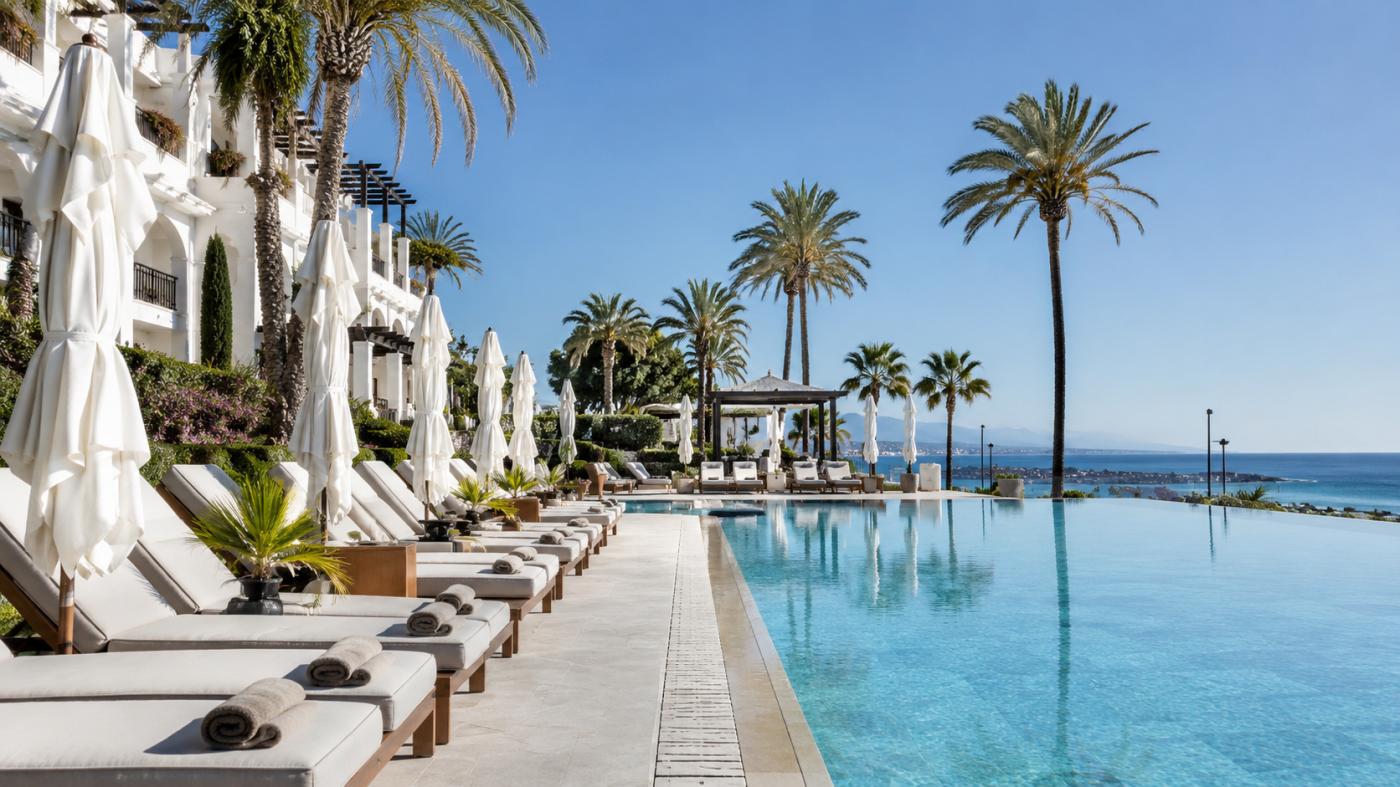
Premium Tourism Drives Marbella’s Hotel Profitability to Record Levels as Overnight Stays Exceed 291,000
Marbella
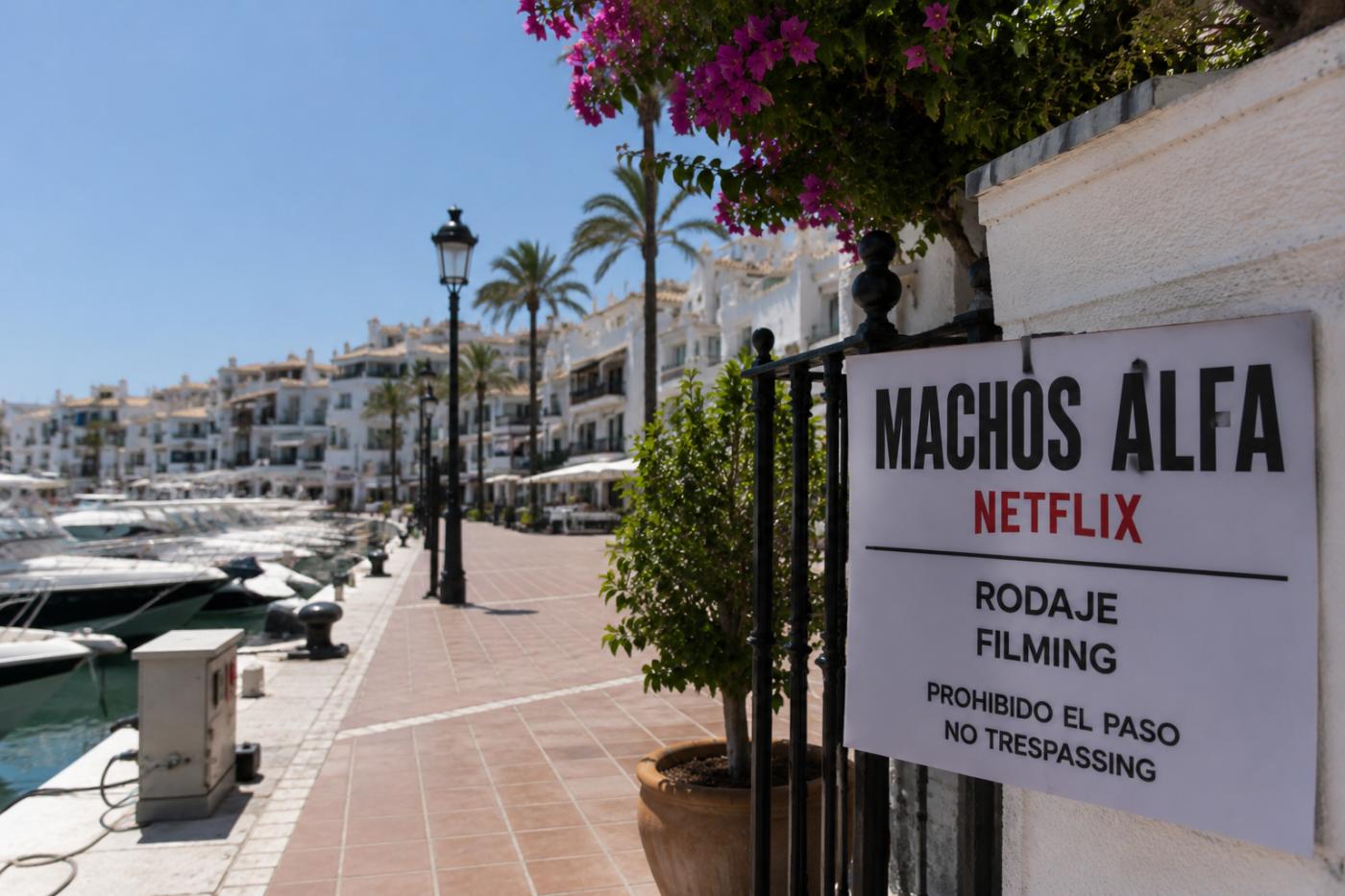
‘Machos Alfa’ seeks extras in Marbella for filming of its sixth and final season
Marbella