


The Costa del Sol regains momentum in hotel purchases
Colliers highlights that it ranks as the fifth destination in Spain in terms of transaction value, totaling 309 million euros.
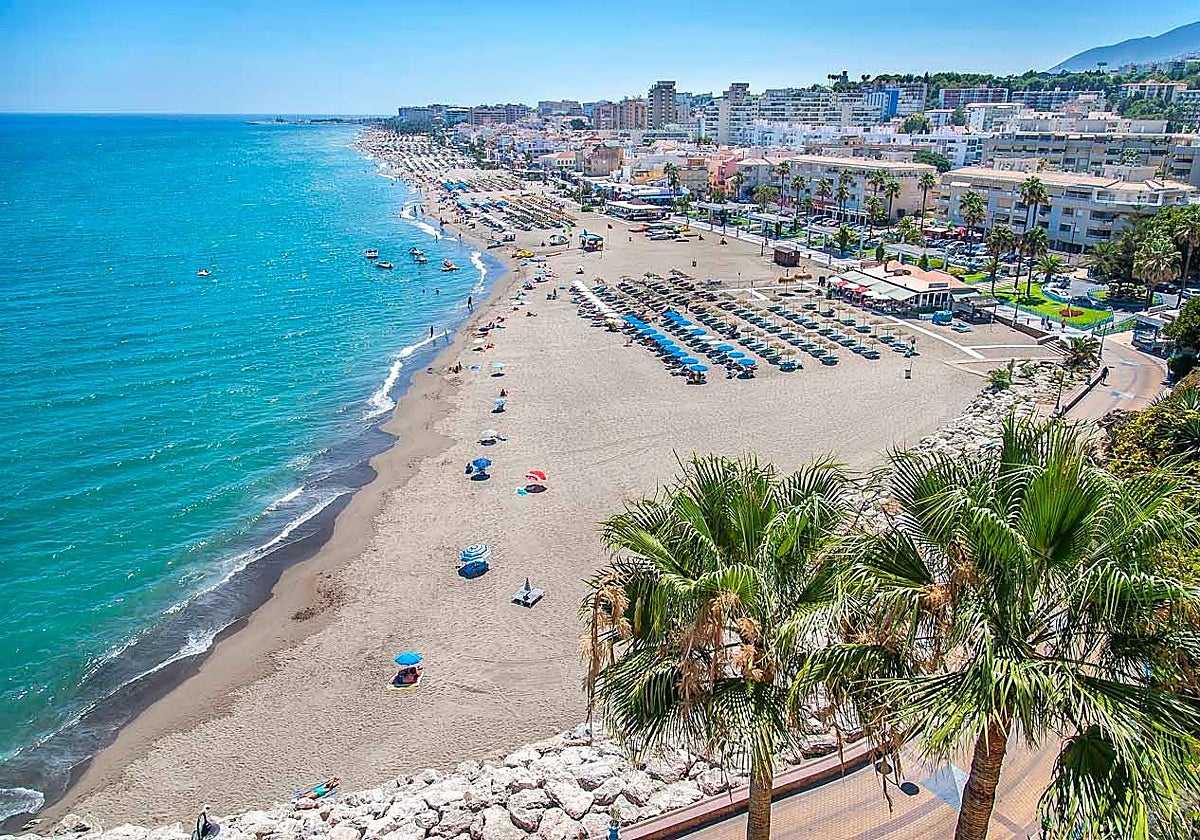

In the second-best year for hotel investors in Spain, the Costa del Sol is regaining momentum in the hotel buy-sell market, according to the latest report by Colliers. The study, which reviews the transactions carried out in the sector in 2025, highlights that the Costa del Sol ranks fifth in Spain in terms of hotel establishment purchase spending. A total of 309 million euros was invested in the Malaga destination. This figure shows an upward trend after experiencing a decline of about 53% in 2024 compared to the previous year, losing some of its usual prominence after a record year. It is worth remembering that the historical record for the destination was set in 2023, with 560 million euros, mainly thanks to the focus on vacation assets in the province.
The report raises the volume of hotel investment to 4.275 billion euros in 2025 with 194 transactions including existing hotels, properties for conversion to hotel use, and land for new developments. Colliers explains that the province of Malaga received 309 million euros of investment, two-thirds of which was directed towards vacation assets on the Costa del Sol. The Canary Islands lead this ranking for the third consecutive year, once again starring in the hotel investment with 17 transactions worth 1.039 billion euros and reaching a 24% share of the total volume. The Balearic archipelago, with a similar number of transactions, 18 in total, but with a volume of 464 million euros, has been influenced by the absence of portfolio operations in the Mediterranean islands.
Additionally, they note that in the urban segment, Barcelona leads with 20 transactions worth 712 million euros, accounting for 17% of the total invested volume, marking the second-best record in history. Madrid, however, has played a less prominent role, with 376 million in 24 transactions, reducing its representation to 9%, which is mainly due to the scarcity of large-volume assets for sale and not to a lack of investor interest.
The report also warns that in 2025 there is a growing interest in more secondary areas, which accounted for 32% of the total investment. In this regard, the provinces of Cadiz, Valencia, and Sevilla stand out on the national map with investments of 234 million, 174 million, and 164 million respectively. "Capital not only seeks established destinations but also selects locations within each market, considering factors such as price pressure, product availability, and medium-term growth potential. This approach helps to explain the diversity of operations registered throughout the year in different places," says Laura Hernando, Managing Director of Hotels at Colliers.
In the overview of hotel investment last year in Spain, it is notable that the expenditure was concentrated on existing hotels, with 159 transactions totaling 21,767 rooms, for a combined volume of 3.986 billion euros, 30% more compared to the 3.064 billion euros recorded in 2024. Also, conversions to hotel use maintained a significant role, with a volume close to 160 million euros in 19 transactions, and additionally, 16 land transactions for hotel developments totaling 130 million euros were closed.
4.275
are the millions of euros that investors have spent to buy hotel assets in Spain in 2025."In the last five years, the hotel market in Spain has received more than 18 billion euros, consistently surpassing 3 billion annually. 2025 ranks as the second-best historical record, exceeding the 4 billion euro mark, as had previously occurred in 2018 and 2023," they specify.
Another key point is that domestic investors are the main drivers of the market, materializing 72% of the year's transactions. For the second consecutive year, the domestic investor has been the absolute leader, concentrating 63% of the total investment for 2025, equivalent to 2.673 billion euros. Among the domestic investors, hotel chains stand out, driving the investment with 42 transactions worth 1.384 billion euros. This data shows that they have achieved their best historical record. The rest of the private investors have maintained their line with 67 transactions representing 48% of the total national volume. Meanwhile, international investors accounted for 37% of the total volume with 1.602 billion.
It is also noteworthy that the vacation segment has once again outpaced the urban segment after a temporary break in 2024. In fact, vacation hotels concentrated 55% of the total hotel investment, 2.336 billion. However, the urban segment recorded a higher number of transactions, with 112 assets compared to 82 in the vacation segment. "The definitive boost of the vacation segment has been the higher average ticket of the transactions, strongly influenced by the sale of the Mare Nostrum Resort for 430 million euros. This transaction, advised by Colliers, has been the largest operation in history in Spain for an individual asset," they detail.
Good prospects for 2026
Colliers outlines a 2026 in which the Spanish hotel industry will demonstrate a position of strength. "Over the past few years, the sector has shown a remarkable ability to sustain its operational performance, even in complex macroeconomic contexts, supported by solid and increasingly diversified tourist demand, and a supply that continues to grow in a contained manner," they note. They also warn that the investor profile will continue to diversify. "Domestic asset-holding investors, both hotel groups and family offices, are expected to maintain an active role, supported by their competitiveness in pricing and a long-term strategic vision," they detail. They also advance that they expect a greater participation of institutional investors and sovereign funds, and even retail investors attracted by the stability, depth, and growth potential of the Spanish hotel market.

Latest news





Upcoming events
12
Nov
El Desembarco, la traición de Viriato at La Caja Blanca
12
Nov
HOMER El Mero Mero at Sala Trinchera Málaga
13
Nov
Marbella Startup Lab – Innovate & Collaborate
13
Nov
Candlelight: Coldplay & Imagine Dragons at Sala Fundación Unicaja María Cristina
13
Nov
Candlelight: Tribute to Ludovico Einaudi at Anantara Villa Padierna
Similar News

Málaga Airport Makes History with More Than Three Million Passengers in One Month
Málaga

Port of Málaga looks beyond its docks to support future growth
Málaga

Guide to the Virgen del Carmen Processions in Málaga and the Province
Málaga
