


A new study of cancer traces from its formation allows anticipation of its evolution
This methodology, developed by scientists from the Clínic-IDIBAPS in Barcelona and the Cancer Research Institute of London, explores the tumor trajectory encoded in the epigenome. Respiratory viruses can awaken and promote pulmonary metastasis of breast cancer.
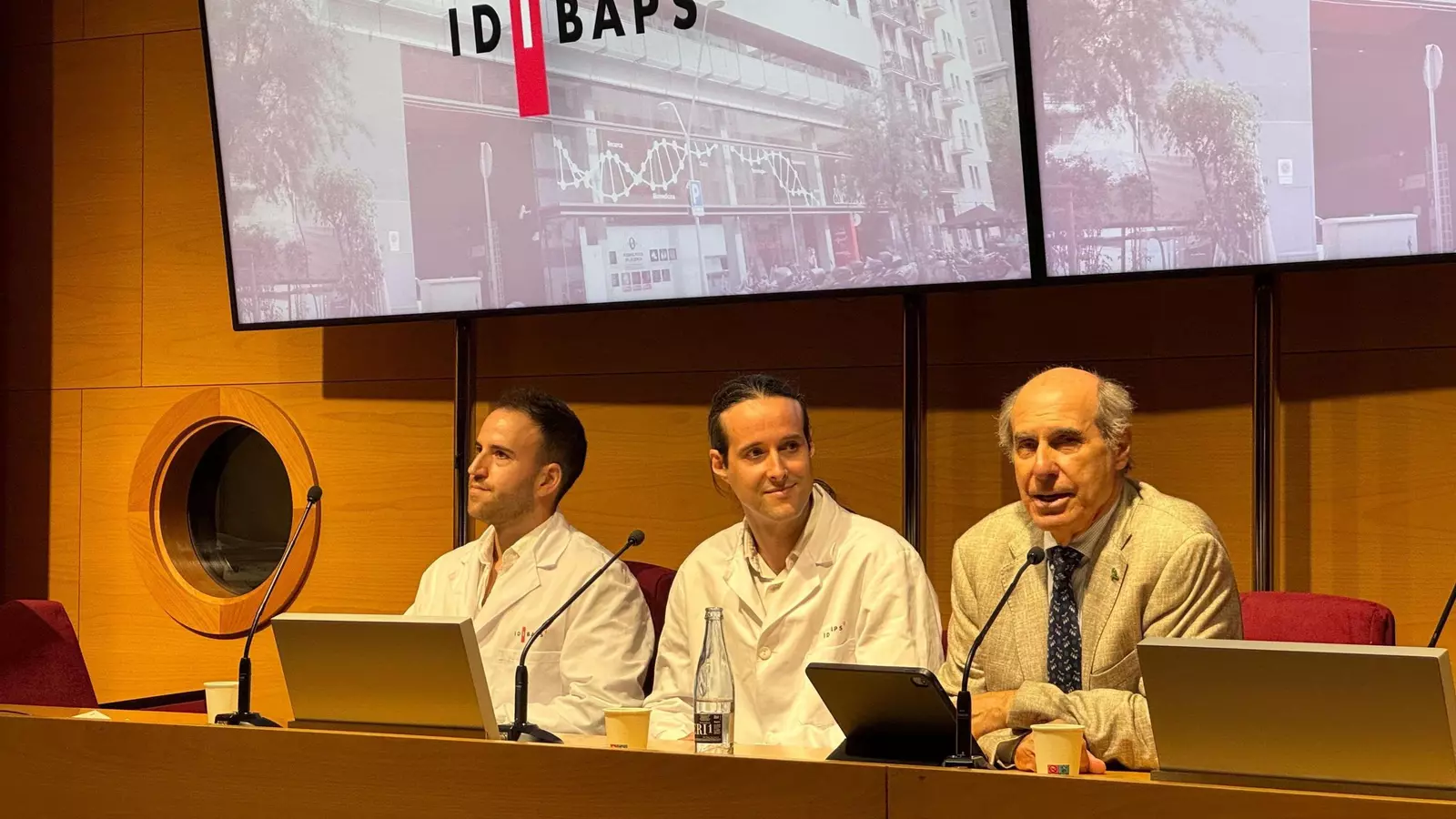

A new methodology for analyzing the epigenetic traces left by cancer from its genesis in DNA allows deciphering the evolution of the tumor and predicting its clinical course in the future. The study, published this Wednesday in the journal Nature, examines the evolution of tumors in 2,000 patients with leukemias and lymphomas. The research was conducted by an international team, led by scientists from the Clínic-IDIBAPS in Barcelona and the Cancer Research Institute in London.
According to Clínic, the researchers have developed a new innovative method based on DNA methylation to decipher the origin and evolution of cancer. Cancer does not start at the moment of diagnosis, but often develops silently over years, leaving traces along the way. Thus, similar to an airplane's black box, which records flight data such as origin, direction, and speed, researchers have discovered that the evolutionary trajectory of cancer is encoded in the epigenome.
The epigenome of a living being is the collection of chemical changes - epigenetic marks - that, as if they were switches, determine how, where, or when DNA is expressed. Specifically, the researchers have observed that the evolutionary trajectory of cancer is encoded in a special type of epigenetic mark, known as fluctuating methylation. Although methylation has traditionally been considered to act as a switch that activates or deactivates the expression of genes, this study reveals an additional function of this modification.
The research team has discovered that the original cell that gave rise to the tumor leaves a unique methylation signature. This trace not only reveals the identity of the tumor cells but also changes as the tumor grows and diversifies. Thanks to advanced mathematical models, the work has managed to decipher these methylation patterns, reconstructing both the origin and the evolution of the tumor with unprecedented accuracy, which also allows predicting the future progress of the disease, according to the researchers.
"Anticipating the clinical future of the disease"
Based on the hypothesis that knowing the past of cancer allows anticipating its clinical future, the algorithm developed, called EVOFLUx, was applied to 2,000 samples from patients with different types of leukemias and lymphomas. Thanks to access to anonymized clinical histories, researchers were able to correlate the past evolution of the tumor with its aggressiveness. "This new tool allows us to read the past history of cancer and know when the tumor originated, how fast it has been growing, and whether the tumor has created cellular diversity," highlighted the study coordinator, Iñaki Martín-Subero.
According to the scientist, who is head of the Biomedical Epigenomics group at IDIBAPS, "this is not only important for better understanding the biology of cancer but also has clinical applications." "Predicting how the disease will progress in each patient is a big step in personalized management," said Trevor Graham, director of the Centre for Cancer Evolution at the London Cancer Research Institute.
The study was made possible thanks to the support of the Spanish Association Against Cancer (AECC), the British foundation Cancer Research UK, the 'La Caixa' Foundation, the European Research Council (ERC), and the United States National Institutes of Health.

Latest news





Upcoming events
12
Nov
El Desembarco, la traición de Viriato at La Caja Blanca
12
Nov
HOMER El Mero Mero at Sala Trinchera Málaga
13
Nov
Marbella Startup Lab – Innovate & Collaborate
13
Nov
Candlelight: Coldplay & Imagine Dragons at Sala Fundación Unicaja María Cristina
13
Nov
Candlelight: Tribute to Ludovico Einaudi at Anantara Villa Padierna
Similar News
Prevent the Flu
Marbella

Funding will be provided for a UMA scientist's research to slow down the development of Alzheimer's
Marbella

VARIcenter, medical excellence in vascular health care
Marbella
