


Chronic Lymphocytic Leukemia, a Silent Disease
Most of those affected, generally over 70 years old, receive the diagnosis after routine bloodwork, without showing symptoms(1)


Chronic lymphocytic leukemia (CLL) is, paradoxically, one of the most common leukemias in adults and, at the same time, one of the least known to society(1). Silent in its early stages, often without obvious symptoms, its diagnosis often comes by chance, following a routine blood test(2). CLL mainly affects older people, generally men over 70 years old(1). In many cases, the diagnosis is made when an increase in blood lymphocytes is detected during an analysis for another reason(2).
“It is usual for the primary care physician to detect this alteration and refer the patient to Hematology. From there, a specific test such as flow cytometry usually allows for the diagnosis(2),” explains Dr. Alicia Rodríguez, head of the Hematology Department at Hospital Virgen Macarena in Seville.
However, this diagnosis does not imply immediate treatment(3). Most patients do not show symptoms at the time of diagnosis and enter a surveillance protocol(2). The disease can remain stable for years, and in some cases, a lifetime(1).
Explaining a chronic and complex hematological disease to older patients and their families is not easy. Dr. Rodríguez emphasizes the need to adapt the language, avoid technical terms, and explain the mechanisms with comprehensible examples: how the bone marrow stops functioning properly, how abnormal lymphocytes occupy the space of other essential cells, or how they can alter the production of defenses or platelets(1).
Moreover, she insists that communication must be “honest and realistic,” but “hopeful.” “We are no longer talking about chemotherapy in most cases. Today we have targeted therapies, personalized according to the genetic characteristics of the disease and the patient's situation(4). That also needs to be conveyed.”
In this regard, Eva Luna, president of the Marco Luna Association, highlights the importance of patients receiving understandable, close, and useful information. “The word leukemia still generates a lot of fear. But giving visibility to the advances in treatments, to the clinical trials, to the results of innovative therapies, helps to reduce that fear. We need to create a more proactive health culture that educates and empowers people.”
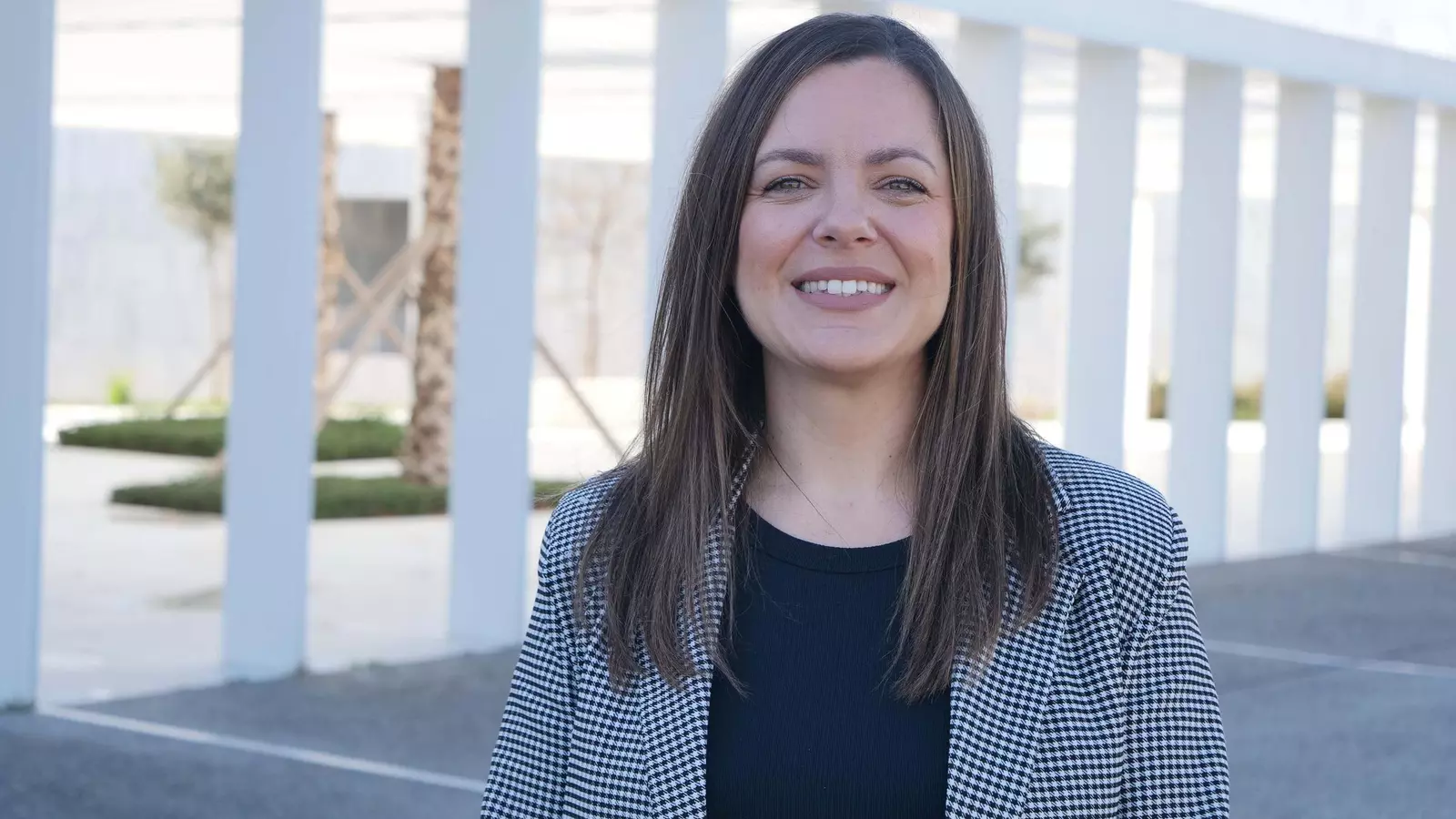
Eva Luna, president of the Marco Luna Association, dedicated to supporting patients and families suffering from hematological diseases. / José Ángel García.Both Eva Luna and Dr. Rodríguez agree that the patient profile has changed. “More and more patients are coming in informed, having read up, asking questions, wanting to decide,” explains the hematologist. “When we have several treatment options, I usually explain them all and ask what they prefer. I get many surprises: some people prioritize comfort, others prefer to avoid toxicities... Shared decision-making is key.” However, this empowerment also needs emotional support that is not always provided by the health system. “Psychological care is a pending issue,” says Rodríguez. “Fortunately, many patient associations are doing fantastic work in this regard, but it would be desirable for this support to also be within the public system.”
Comics that ‘HEMOtion’
How to explain to an elderly person what chronic lymphocytic leukemia (CLL) they have been diagnosed with? How to simply convey how they can continue maintaining a good quality of life? How to explain it to the family? With the aim of answering these questions, AstraZeneca has created Comics that HEMOtion, a comic book starring Hemociono, a retiree of almost 80 years who one day receives a diagnosis of CLL. This initiative is part of the campaign We Share HEMOtions and has been illustrated by Elisabeth Justicia.

Latest news





Upcoming events
12
Nov
El Desembarco, la traición de Viriato at La Caja Blanca
12
Nov
HOMER El Mero Mero at Sala Trinchera Málaga
13
Nov
Marbella Startup Lab – Innovate & Collaborate
13
Nov
Candlelight: Coldplay & Imagine Dragons at Sala Fundación Unicaja María Cristina
13
Nov
Candlelight: Tribute to Ludovico Einaudi at Anantara Villa Padierna
Similar News
Prevent the Flu
Marbella
Funding will be provided for a UMA scientist's research to slow down the development of Alzheimer's
Marbella

VARIcenter, medical excellence in vascular health care
Marbella
