The Andalusian 'Stonehenge' is in Malaga and is 6,500 years old.
The dolmens of Menga and Viera and the Tholos of El Romeral are testimonies of the past, relics in the territory of Antequera. Málaga has one of the 33 unique natural wonders of Spain.
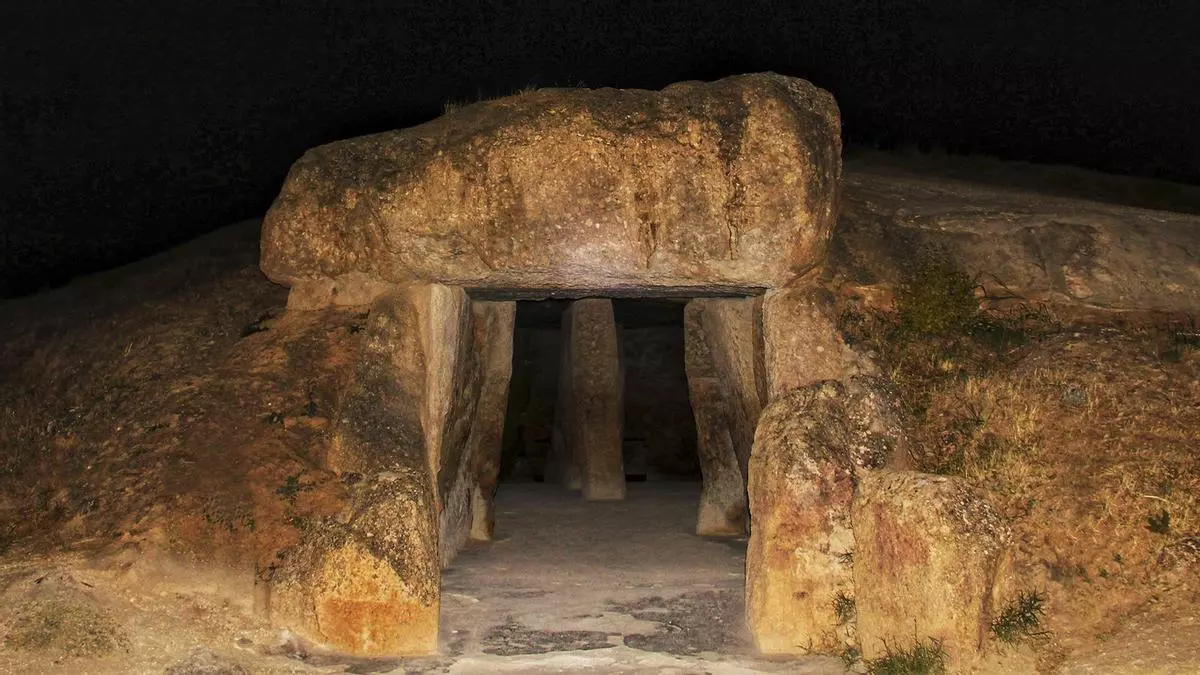

For those who dream of visiting a megalithic monument like Stonehenge, but wish to find wonders closer to home, Málaga offers a spectacular alternative: the Dólmenes de Antequera. This archaeological site, a UNESCO World Heritage Site since 2016, is a unique treasure of European megalithism, combining prehistoric architecture, history, and a naturally beautiful setting.
The Archaeological Ensemble of the Dólmenes de Antequera consists of three main monuments: the dólmenes of Menga and Viera, located just meters apart from each other, and the Tholos de El Romeral, about four kilometers away. These structures, built between the Neolithic and the Bronze Age, are a testament to monumental architecture dating back over 6,500 years.
The megaliths were erected using huge stone blocks, called orthostats, arranged to form funerary or ritual chambers. These constructions served not only as tombs but also as spaces for ceremonies linked to fertility and ancestor worship. In this sense, the Dólmenes de Antequera transcend their architectural function, becoming repositories of cultural identity and witnesses to the communities' attachment to the land.
The Majestic Dolmen of Menga
The Dolmen of Menga, the oldest and most monumental of the group, dates back approximately 6,000 years. It is considered a masterpiece of prehistoric architecture, notable for its gigantic stone slabs and a design that includes a narrow, deep well at the back of its funerary chamber, a unique feature of its kind.
What really sets Menga apart from other European dolmens is its orientation towards the Peña de los Enamorados, an anthropomorphic rock formation loaded with symbolism. This link to the landscape makes it the only continental dolmen that does not follow astronomical patterns, but geographical ones.
With a length of 27.5 meters and a tumulus 50 meters in diameter, Menga represents the titanic effort of prehistoric communities that moved stones weighing up to 180 tons to build it.
The Enigmatic Dolmen of Viera
The Dolmen of Viera, more recent than Menga, was built between 3510 and 3020 BC. This corridor tomb is oriented to the equinoxes, allowing the sun's rays to illuminate its funerary chamber during the spring and autumn dawns, a phenomenon that can still be witnessed by prior reservation.
Despite initially being known as "Cueva Chica" in comparison with Menga, Viera impresses with the precision in the cutting of its stone blocks, sourced from a quarry about 500 meters away.
The Unique Tholos de El Romeral
El Romeral, built between 3000 and 2200 BC, stands out for its false dome design, a technique achieved by the approximation of layers of stone. This structure features two circular funerary chambers and is oriented towards El Torcal, an impressive natural site that is also part of the World Heritage site.
El Romeral is unique in the Iberian Peninsula for its orientation towards the western half of the sky. During the midday of the winter solstice, a ray of sunlight penetrates to its second funerary chamber, offering a spectacle of connection between architecture and nature.

Latest news



Upcoming events
17
Sep
La Pequeña Cuba Gastro-Cultural Festival in San Pedro Alcántara 2026
18
Sep
World Wellness Weekend Marbella 2026
18
Sep
Candlelight: Queen vs. ABBA in Málaga
18
Sep
Candlelight: Coldplay and Imagine Dragons in Málaga
18
Sep
3 de Corazones – Pancho Céspedes, Enrique Ramil and José Luis Jaén in Málaga
Similar News

Málaga Airport Makes History with More Than Three Million Passengers in One Month
Málaga
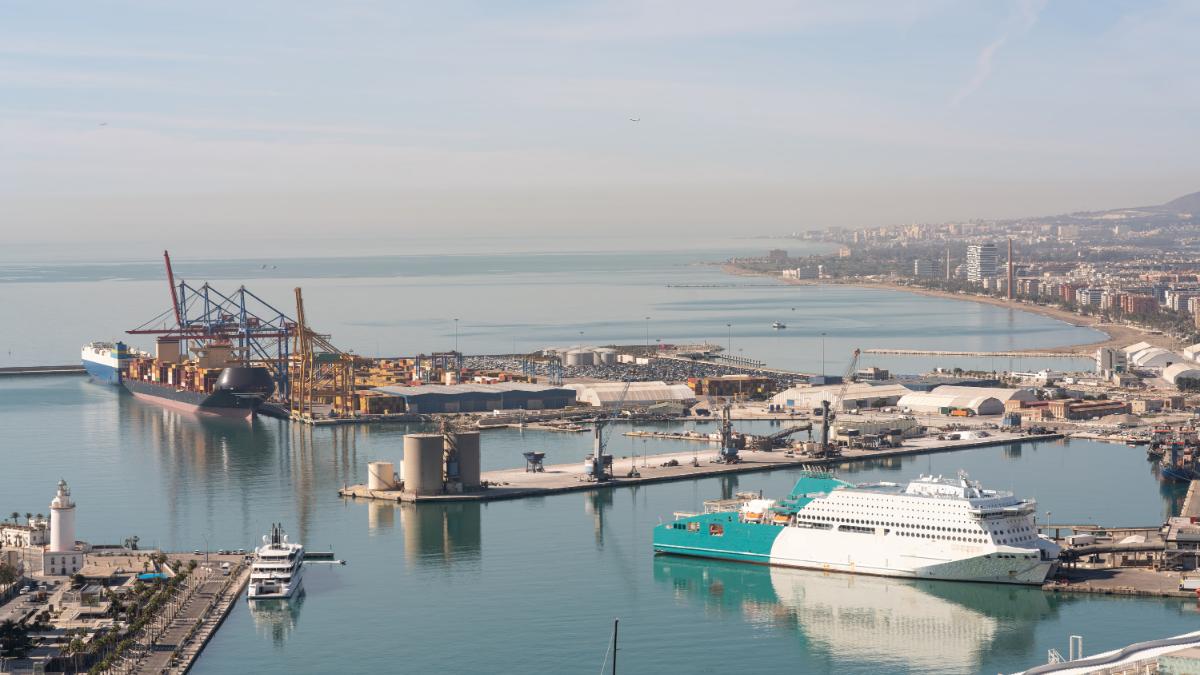
Port of Málaga looks beyond its docks to support future growth
Málaga
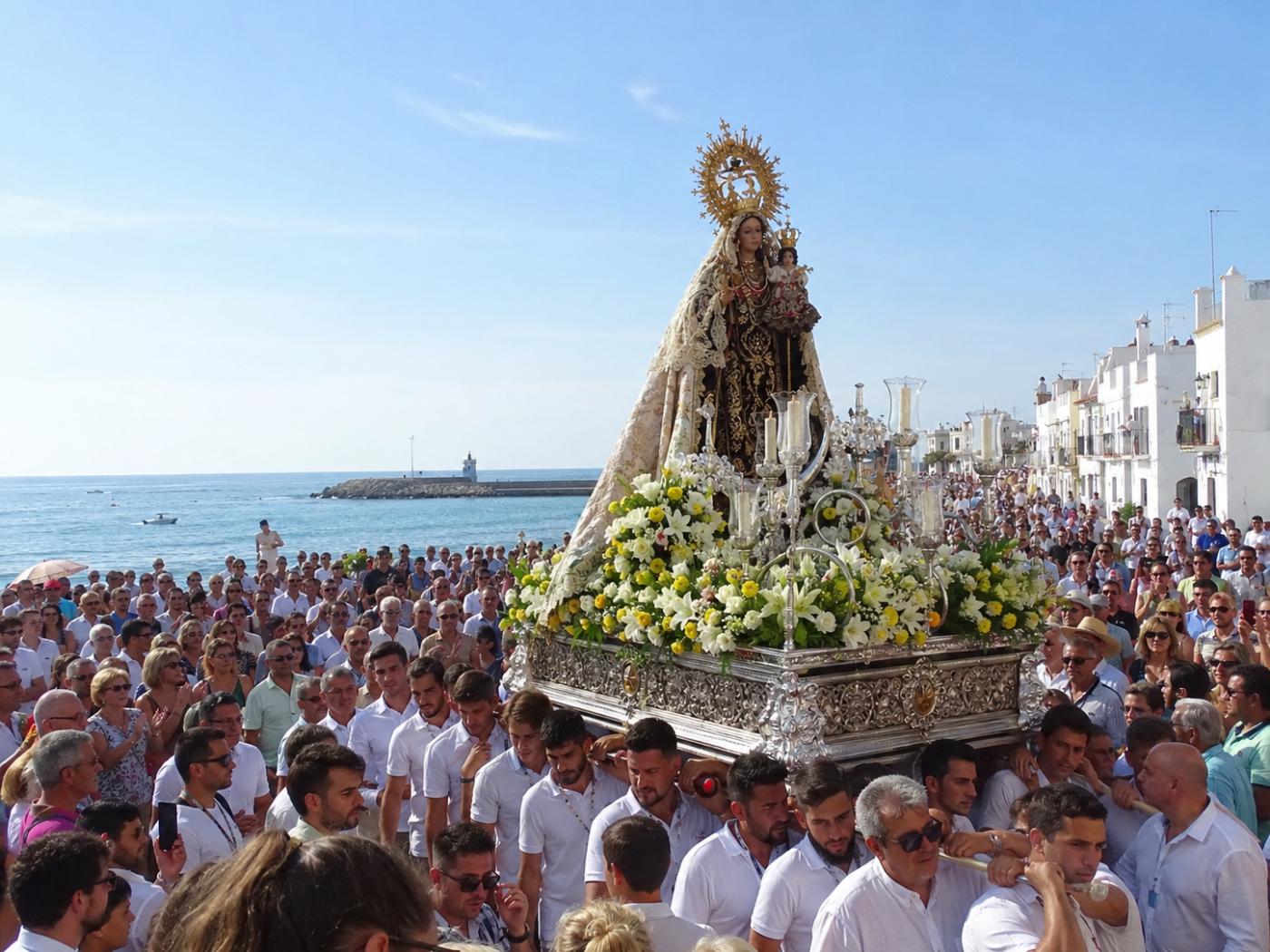
Guide to the Virgen del Carmen Processions in Málaga and the Province
Málaga