


Spain, close to becoming the first country in the world to eliminate hepatitis C
The prevalence in the population is 0.14%, which means that fewer than 55,000 people suffer from this disease; the Alliance for the Elimination of Viral Hepatitis in Spain hopes that by 2030 the number will be zero. Mapping of Future Pandemics.
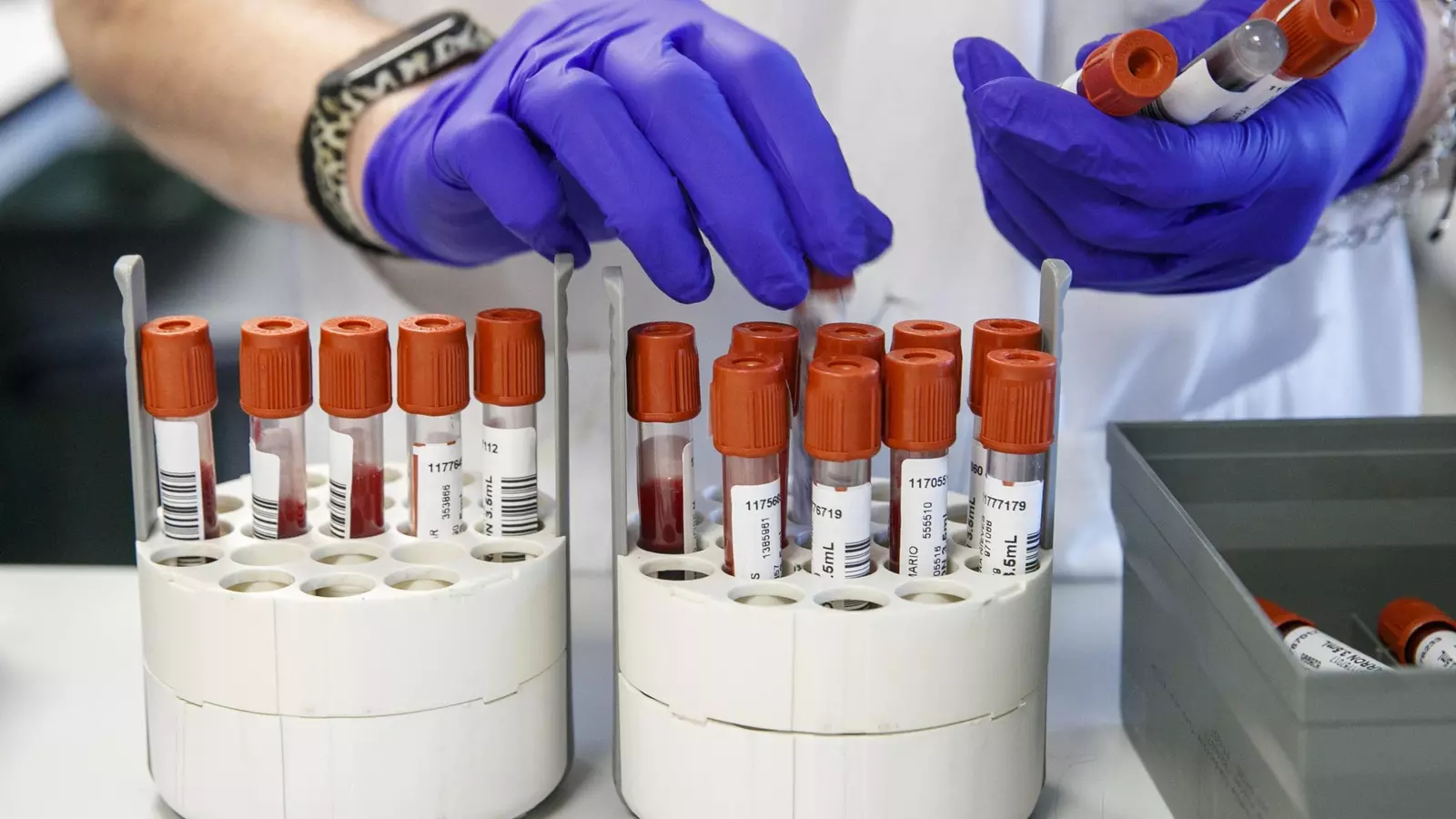

Spain is on the verge of becoming the first country in the world to achieve the elimination of hepatitis C, after reducing the prevalence to 0.14% of the population, that is, less than 55,000 cases, as celebrated by the Alliance for the Elimination of Viral Hepatitis in Spain (Aehve), which calls for a final push to reach this "historic achievement" before 2030.
This Monday, July 28, World Hepatitis Day is celebrated and Aehve has looked back in a statement, recalling that in February 2017, scientific societies and patient associations committed in this alliance to achieve the World Health Organization (WHO) goal of ending viral hepatitis as a public health problem before 20230.
Ten years after the launch of the Strategic Plan for the Approach to Hepatitis C in the National Health System (Peach), "our country has treated and cured more than 172,400 people in a decade, which has allowed it to lower the prevalence to just 0.14% of the population, less than 55,000 cases," this alliance highlighted in the statement, celebrating the "joint effort of the Central Government and the autonomous communities."
"These data place Spain on the threshold of being the first country in the world to achieve the elimination of hepatitis C, which will represent a major milestone in public health, as it would be the first time in the history of medicine that in just over three decades, we witness the discovery and elimination of a chronic viral infection for which there is no vaccine".
Therefore, Spain "is within reach of achieving the WHO's goal of eliminating hepatitis C by 2030 ahead of schedule".
According to Aehve, achieving this milestone requires reducing prevalence in vulnerable populations, such as drug users (with a prevalence of 12.5%) or users of chemsex (drug use for sexual purposes), 14.4%
Another challenge is to identify and treat people who at some point had a diagnosis of hepatitis C. That is, "it is estimated that of the 44,950 patients with active infection, there are 13,000 still undiagnosed, but there are 30,000 remaining who are known, many of whom did not start antiviral treatment or started it and did not complete it".
Aehve has asked the autonomous communities to accelerate the final efforts to achieve this goal and points out among other measures "active policies for the rescue of lost patients and the decentralization of treatment in vulnerable populations".
This alliance includes various groups such as the National Federation of Hepatic Patients and Transplant Recipients (FNETH); the Spanish Society of Family and Community Medicine (SemFYC); ISGlobal Barcelona; the Spanish Society of Digestive Pathology (SEPD); the Spanish Association for the Study of the Liver (AEEH), among others.

Latest news





Upcoming events
12
Nov
El Desembarco, la traición de Viriato at La Caja Blanca
12
Nov
HOMER El Mero Mero at Sala Trinchera Málaga
13
Nov
Marbella Startup Lab – Innovate & Collaborate
13
Nov
Candlelight: Coldplay & Imagine Dragons at Sala Fundación Unicaja María Cristina
13
Nov
Candlelight: Tribute to Ludovico Einaudi at Anantara Villa Padierna
Similar News
Prevent the Flu
Marbella

Funding will be provided for a UMA scientist's research to slow down the development of Alzheimer's
Marbella

VARIcenter, medical excellence in vascular health care
Marbella
