


Detecting hypothyroidism early prevents complications
This pathology, which primarily affects women and becomes more prevalent after the age of 60 in both sexes, often goes unnoticed despite causing significant symptoms.
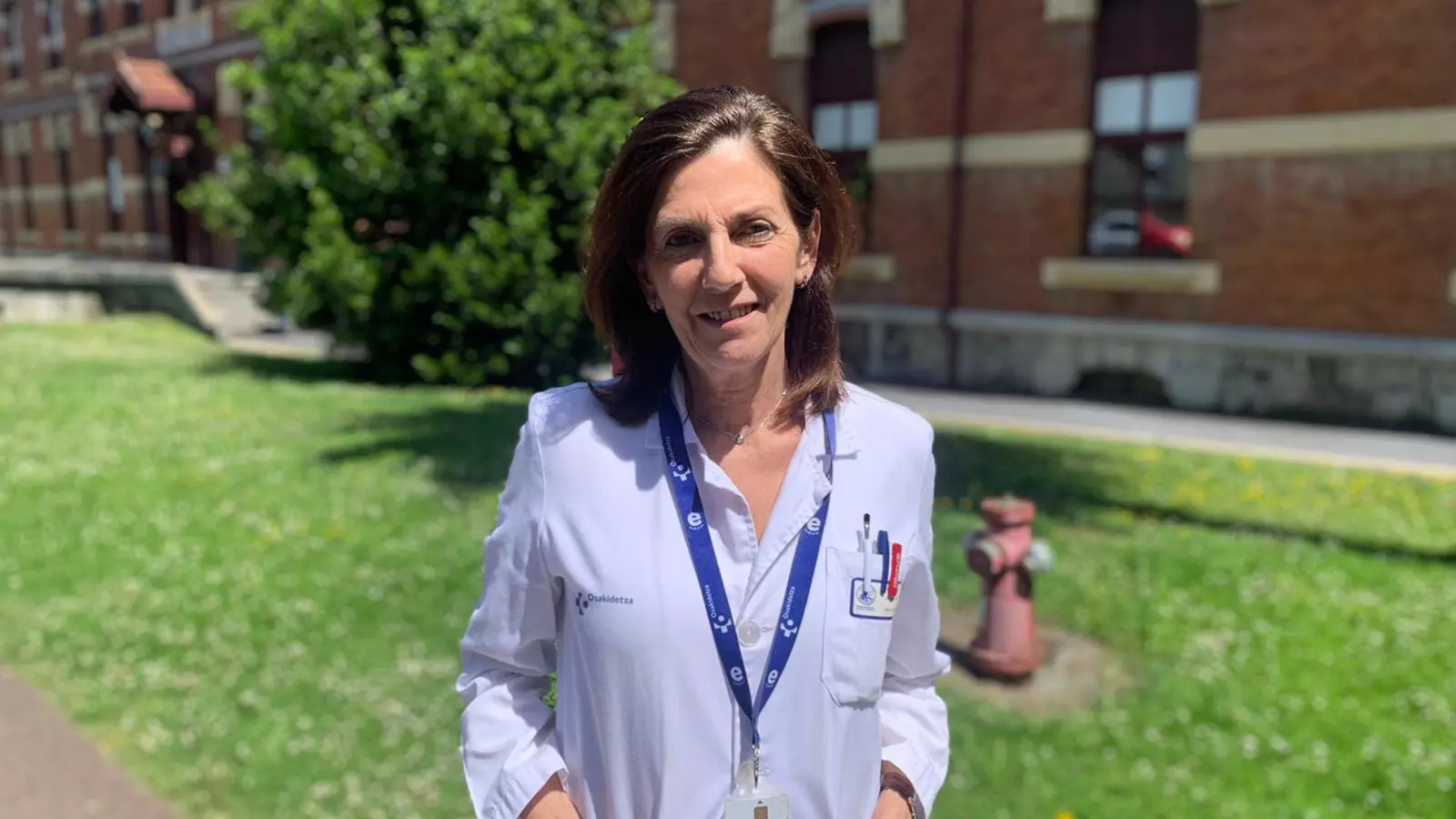

In Spain, approximately 9% of the population lives with hypothyroidism, a silent disease with significant health repercussions if not detected and treated properly. This condition "is a disorder in which there is a decrease in the production of thyroid hormones," explains Dr. Amelia Oleaga, head of the Endocrinology Service at Basurto Hospital, in Bilbao. These hormones are essential for the functioning of multiple organs and systems in the human body.
The most common cause of hypothyroidism in our environment is Hashimoto's Thyroiditis, which, the doctor explains, "is an autoimmune disease in which the immune system itself attacks and progressively destroys the thyroid gland."
Although less common, there can also be a variant known as central hypothyroidism, when the problem originates in the hypothalamus or pituitary gland, brain structures responsible for regulating thyroid function. Hypothyroidism particularly affects women, "and the prevalence increases above the age of 60 in both sexes," notes Oleaga, who also points to a possible improvement in the detection of mild forms due to an increase in analytical tests in recent years.
One of the main challenges posed by the disease is its ability to go unnoticed for years. "Most of the time it is asymptomatic because they are very mild forms that are detected early when conducting a TSH hormone analysis," clarifies the endocrinologist. Symptoms can be so nonspecific that they are easily attributed to other pathologies. "Sometimes, hypothyroidism can go undetected for a long time, since many of the symptoms, such as fatigue, heart problems or cognitive decline, are confused with aging or other diseases," explains the expert.
Not treating when the disease is already clinically evident worsens symptomsMain Signs
In its more advanced clinical form, without treatment, the effects are much more evident. "Untreated severe hypothyroidism causes fatigue, drowsiness, hair loss, dry skin, mental slowness, cold intolerance, changes in bowel rhythm, heart problems," lists Dr. Oleaga. In these cases, replacement thyroid hormone treatment is essential. "The consequences of not treating severe hypothyroidism when it is already clinically evident would be a worsening of symptoms. It is important to remember that thyroid hormones are essential for life," clarifies the expert.
Subclinical Forms
However, there are also subclinical or incipient forms of hypothyroidism, in which there has not yet been a decrease in thyroid hormones, but there is a compensatory increase in TSH, the hormone that stimulates the thyroid.
"Generally, hypothyroidism has a previous phase that can last many years in which there is an increase in TSH hormone, although the thyroid hormones are below the normal value, which defines hypothyroidism. When this TSH reaches a sufficiently high level, that is when treatment should begin," adds the expert from Basurto Hospital. Given the frequency of these asymptomatic forms, early diagnosis is key.
However, according to Dr. Amelia Oleaga, there is still no scientific consensus on systematic screening of the population, "but in the presence of suspect symptoms, a TSH hormone analysis should be performed through a blood sample."
Both Primary Care and Community Pharmacy play a decisive roleIn this context, Primary Care and Pharmacy play a decisive role. "Community pharmacists can, in the presence of suspect symptoms, advise patients to consult with their Primary Care physician. In patients already being treated, they can reinforce the importance of taking the treatment correctly and following the controls indicated by the doctor," states Dr. Oleaga.
Campaigns to Inform the Public
Moreover, campaigns such as 'The Missing Piece', recently launched by the science and technology company Merck on the occasion of the International Thyroid Week, seek to highlight the symptoms associated with hypothyroidism and promote early recognition of this condition. The campaign invites the public to pay attention to these signs and identify that "missing piece" to complete the puzzle of symptoms, often confusing, and move towards a definitive diagnosis.
Additionally, Merck promotes the guide Practical Aspects of Thyroid Disorders recently published by the General Council of Pharmaceutical Colleges.
Finally, it is important to not underestimate symptoms that cause persistent discomfort. "Patients should see their doctor when they are not feeling well. With a good treatment and control of hypothyroidism, individuals with the condition can lead a completely normal life."

Latest news





Upcoming events
12
Nov
El Desembarco, la traición de Viriato at La Caja Blanca
12
Nov
HOMER El Mero Mero at Sala Trinchera Málaga
13
Nov
Marbella Startup Lab – Innovate & Collaborate
13
Nov
Candlelight: Coldplay & Imagine Dragons at Sala Fundación Unicaja María Cristina
13
Nov
Candlelight: Tribute to Ludovico Einaudi at Anantara Villa Padierna
Similar News
Prevent the Flu
Marbella

Funding will be provided for a UMA scientist's research to slow down the development of Alzheimer's
Marbella

VARIcenter, medical excellence in vascular health care
Marbella
