


95% of rare diseases are neither researched nor treated.
Despite international advances stemming from the WHO resolution promoted by Spain, the reality in our country reflects significant deficits in diagnosis, equity, and access to therapies.
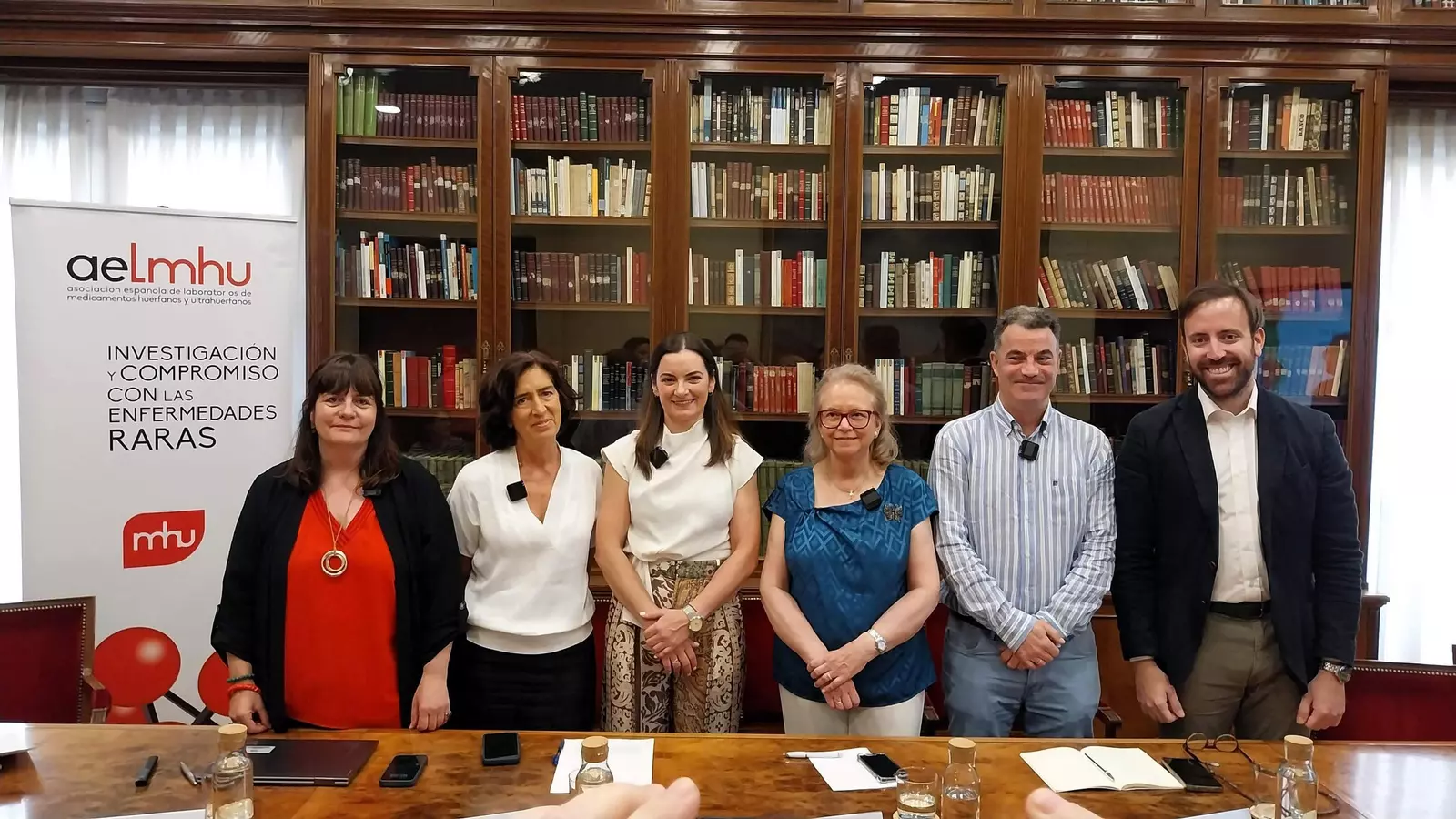

Madrid/Last May, the World Health Assembly of the WHO approved the resolution: "Rare Diseases: a global health priority for equity and inclusion", an initiative specifically promoted by Spain and Egypt. A significant advancement, although there are still many challenges remaining in the field of rare diseases.
Currently, according to data from the Rare Disease Research Institute (IIER) of the ISCIII, 95% of these diseases are neither researched nor have treatment, and in fact, 50% of the patients do not have a confirmed molecular diagnosis. For those that do, it is estimated that if the rare disease is known, the average time to reach a diagnosis is four years, but in others, it can be up to 15 or even a lifetime. To delve deeper into the reality of rare diseases in Spain, the progress that has been made, and what remains to be done, the Spanish Association of Orphan and Ultra-Orphan Drug Laboratories (Aelmhu), with the collaboration of the National Association of Health Informers (ANIS), has held the II Training Day 'Rare Diseases in Spain: common challenges and future projections'.
The number of new funded drugs grows but the timelines are extendedDuring the event, María José Sánchez, vice president of ALEMHU, wanted to showcase all the milestones achieved since the association began. Among other data, the most positive figure undoubtedly was the clinical trials in advanced therapies dedicated to these minority diseases, which amounted to 52%.
However, she added that, according to the 2024 clinical trials report, the number of total clinical trials in Spain dedicated to rare diseases is 22%, a figure that has grown gradually. Thus, if in 2023 the total number of trials was 842, 189 of these were focused on rare diseases. However, in 2024, out of 929 global trials, 207 were centered on these types of diseases. However, she noted that 95% of the promoters were private.
On this issue, the director of the Spanish Federation of Rare Diseases (FEDER), Isabel Motero, regretted that Spain dedicates only 1.49% of its GDP to research, making it one of the European countries that invests the least in this area, as the European average is 2.27%. Similarly, Motero criticized that the neonatal screening in Spain is one of the most "inequitable" examples in the country, leading to differences in diagnosis depending on the autonomous community of birth, and it is the reason why FEDER is seeking to promote a Law Proposition to regulate neonatal screening and reduce these autonomous inequalities.
Regarding these legislative needs, Lluis Alcover, a lawyer specializing in pharmaceutical law from Faus & Moliner, noted that many of these positive changes are related to legislative improvements made in favor of orphan drugs, especially through incentives and exemptions that have motivated pharmaceutical research.
However, to promote the development of orphan drugs, Alcover emphasized the importance of measures such as strengthening access to early advice from the European Medicines Agency (EMA) and to the joint scientific consultations of the Health Technology Assessment Regulation (HTA); supporting a more "solid and predictable European incentives framework"; and giving a specific treatment to the pricing system and the financing procedure for them.
A major part of the problem is the wait to get approval for an orphan drug despite the incentives to start researching it. In this regard, Aelmhu reminded that, according to data from this first four-month period of 2025, compared to 2021, “we have gone from 50 to 68% of orphan drugs financed, but the wait has increased from 24 to 33 months from when the national code is obtained until a reimbursement price is achieved”.
Collaboration as a way to optimize resources
The director of the Rare Disease Research Institute, Eva Bermejo, states that “to be efficient, the involvement of all stakeholders is essential, as well as collaboration and coordination in order to optimize the use of resources, which are always limited.” She also refers to the need for a “broad and innovative vision, in the short, medium, and long term, always seeking equity and inclusion.” Looking to the future, experts call for more coordinated work, for example, in Artificial Intelligence solutions, applied in some Autonomous Communities, “the aim is to coordinate all initiatives to be undertaken so that they make sense”.

Latest news





Upcoming events
12
Nov
El Desembarco, la traición de Viriato at La Caja Blanca
12
Nov
HOMER El Mero Mero at Sala Trinchera Málaga
13
Nov
Marbella Startup Lab – Innovate & Collaborate
13
Nov
Candlelight: Coldplay & Imagine Dragons at Sala Fundación Unicaja María Cristina
13
Nov
Candlelight: Tribute to Ludovico Einaudi at Anantara Villa Padierna
Similar News
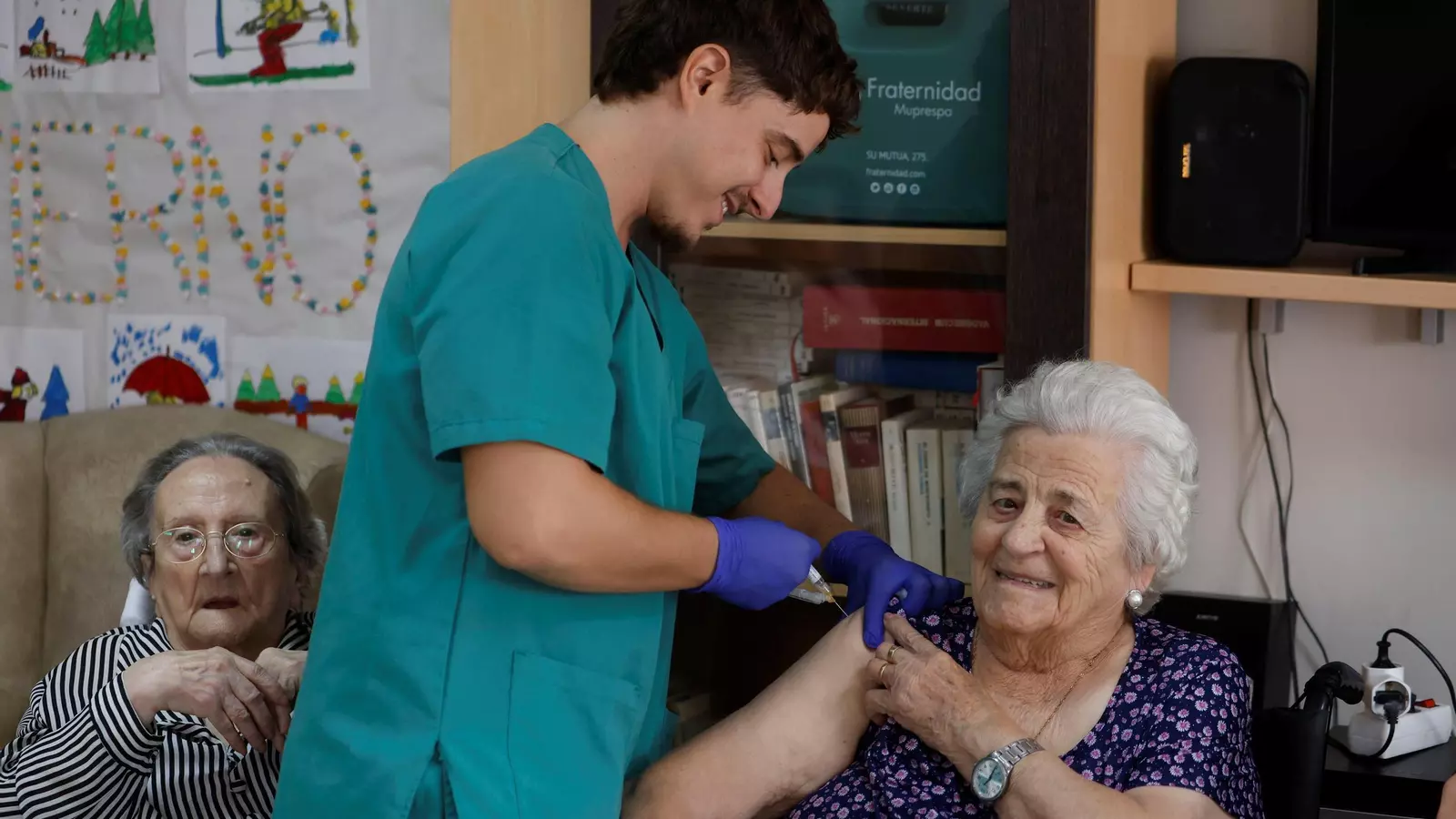
Prevent the Flu
Marbella
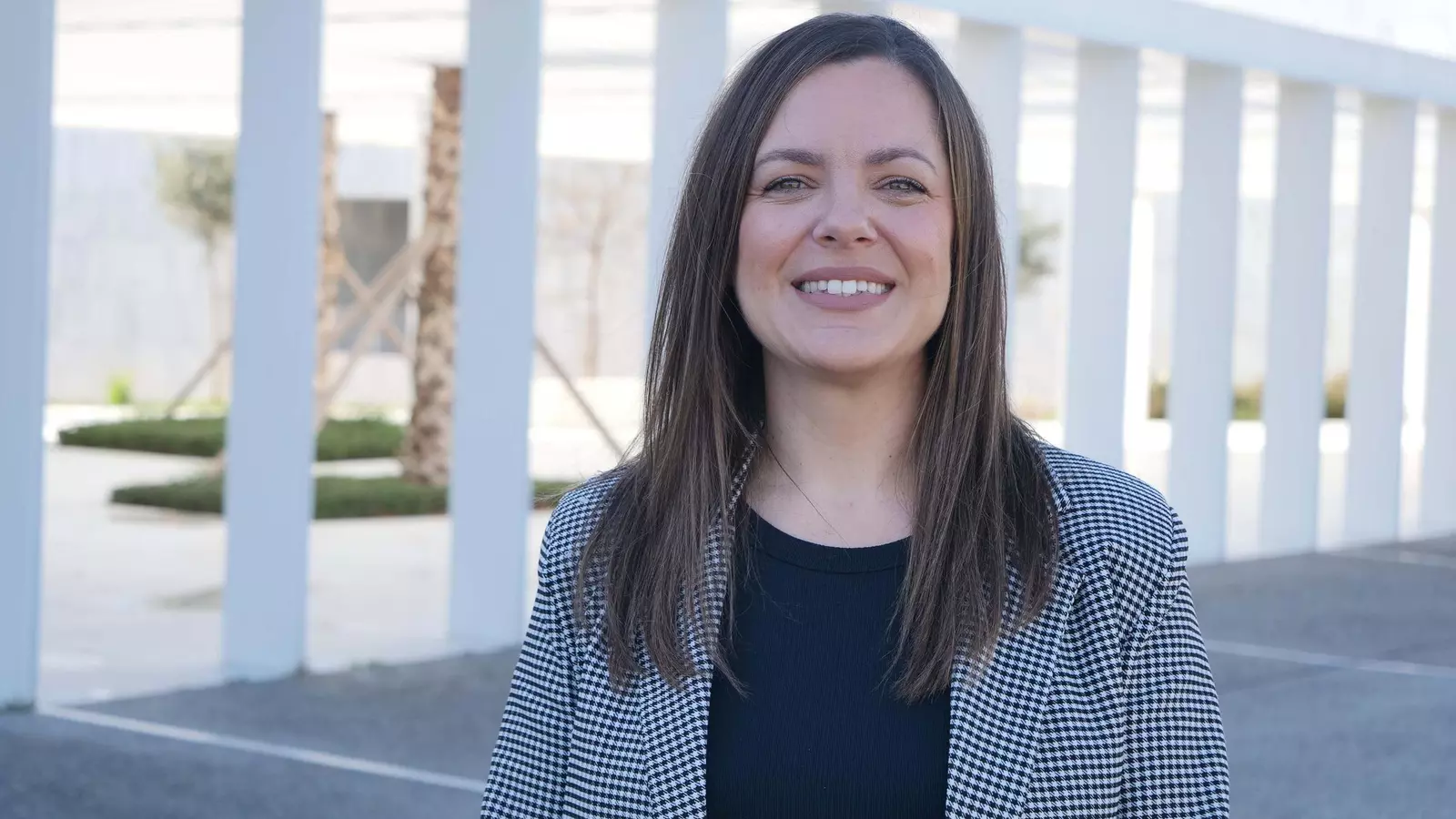
Funding will be provided for a UMA scientist's research to slow down the development of Alzheimer's
Marbella
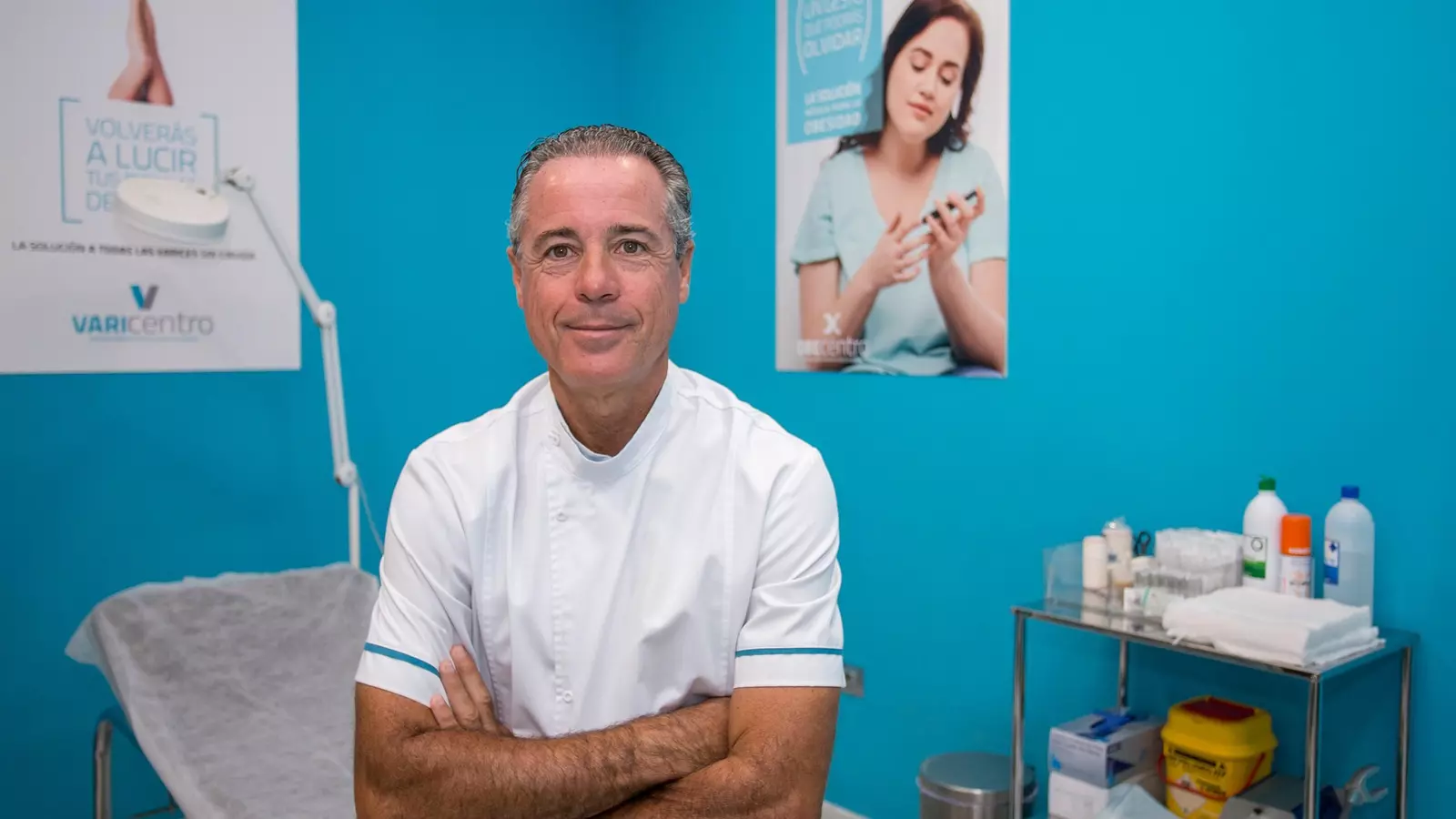
VARIcenter, medical excellence in vascular health care
Marbella
