


Socializing saves us, in times of blackout… and in any crisis
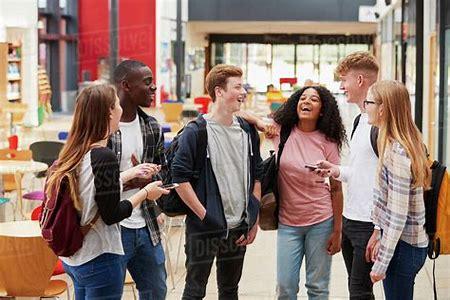

IIn times of crisis, whether prolonged or isolated, such as the recent widespread power outage in Spain, interacting with others – even strangers – is key to our psychological resilience. This urge to socialise is deeply rooted in our biology and evolution.
Human beings depend on cooperation to survive. Matthew
Lieberman, director of the Cognitive Neuroscience Laboratory at the University
of California, Los Angeles, describes the human brain as fundamentally social,
equating our need for connection with that for food or water. When we interact
positively, our brain releases oxytocin, dopamine and endorphins,
neurotransmitters that reduce stress and strengthen physical and mental health.
Similarly, the stress response system, regulated by
the hypothalamic-pituitary-adrenal (HPA) axis, shows remarkable sensitivity to
the presence of others. Neuroimaging studies reveal that the areas of the brain
associated with fear and uncertainty calm down when we are accompanied.
The paradox of isolation
Despite this biological programming, contemporary
crises often lead to withdrawal. Research in seven countries showed that more
than a third of young people show symptoms of social anxiety, reaching 58% in
the United States. The COVID-19 pandemic has exacerbated this phenomenon: the
WHO reported a 25% increase in global cases of anxiety and depression.
Paradoxically, it is when we most need connection that
we tend to isolate ourselves the most, which exacerbates the negative effects
of the crisis.
Socialisation against uncertainty
‘Intolerance to uncertainty’ – the difficulty in
coping with a lack of control – increases vulnerability to anxiety disorders.
At the opposite end of the spectrum, socialising offers a powerful buffer:
sharing experiences normalises emotions, diversifies perspectives and
facilitates access to reassuring information.
For example, after the 2011 tsunami in Japan,
survivors with greater social support showed significantly lower rates of
psychological disorders, even when accounting for the same level of exposure to
trauma.

Connecting with others, even strangers, is key to our psychological resilience. Tayfun Yaman/Shutterstock
The power of casual conversations
Deep relationships are not the only ones that protect
us. ‘Weak ties’ — brief interactions with strangers — also have positive
effects. One study showed that chatting with strangers on public transport
improves mood, despite initial negative expectations.
These small connections activate reward circuits in
the brain and directly counteract the effects of chronic stress.

Hyperconnection. Pixabay
Technology: bridge or barrier?
During the pandemic, video calls and messages allowed
us to maintain connections, offering benefits similar to face-to-face
interactions. However, increased use of social media has also been linked to
higher levels of social anxiety, especially among young people.
The problem arises when digital communication
replaces, rather than complements, face-to-face interactions. After lockdown,
many have experienced ‘social re-entry anxiety’, highlighting the limitations
of exclusively virtual connections.
Practical strategies
To strengthen our social resilience in turbulent
times, we can incorporate a series of strategies into our lives that not only
improve emotional well-being but also strengthen physical health through immune
and anti-inflammatory mechanisms.
The keys are to prioritise safe face-to-face
interactions and establish regular social routines, such as meeting up with
family or friends on a regular basis. It is also important to value weak ties,
those moments when we talk to the person sitting next to us on the train or the
cashier at the supermarket. It is also advisable to participate in community
activities, gradually share personal experiences and limit excessive
consumption of negative news.
On the other hand, crisis management must integrate
public policies that strengthen social cohesion. Communication campaigns should
promote collective values and mutual support. Meanwhile, distancing policies –
such as those implemented during the pandemic – should consider safe
alternatives for social connection.
In education, promoting social and emotional skills is
essential to prepare societies to be more resilient in the face of future
crises.

Casual conversation. Pixabay
Ultimately, when uncertainty invites us to isolate
ourselves, the appropriate response is to deepen our human connections. From
casual conversations to strong community ties, every interaction protects our
mental and physical health. In a world of constant change, investing in social
relationships is not a luxury: it is an evolutionary necessity and essential
medicine.

Cláusula de Divulgación
Juan Moisés de la Serna no recibe salario, ni ejerce labores de consultoría, ni posee acciones, ni recibe financiación de ninguna compañía u organización que pueda obtener beneficio de este artículo, y ha declarado carecer de vínculos relevantes más allá del cargo académico citado.
Nuestros socios

Universidad Internacional de Valencia aporta financiación como institución colaboradora de The Conversation ES.

Latest news





Upcoming events
12
Nov
El Desembarco, la traición de Viriato at La Caja Blanca
12
Nov
HOMER El Mero Mero at Sala Trinchera Málaga
13
Nov
Marbella Startup Lab – Innovate & Collaborate
13
Nov
Candlelight: Coldplay & Imagine Dragons at Sala Fundación Unicaja María Cristina
13
Nov
Candlelight: Tribute to Ludovico Einaudi at Anantara Villa Padierna
Similar News
Javi Vilchez, the 20-Year-Old Espetero Winning Over Málaga with His Skill at the Grill

What to Do in Málaga This Weekend: Concerts, Bachata, Flamenco and an Arabian Market

Incosol: the pioneering health tourism hotel in Marbella regains its momentum
