


The Great Iberian Blackout: Searching for Answers to an Unprecedented Crisis
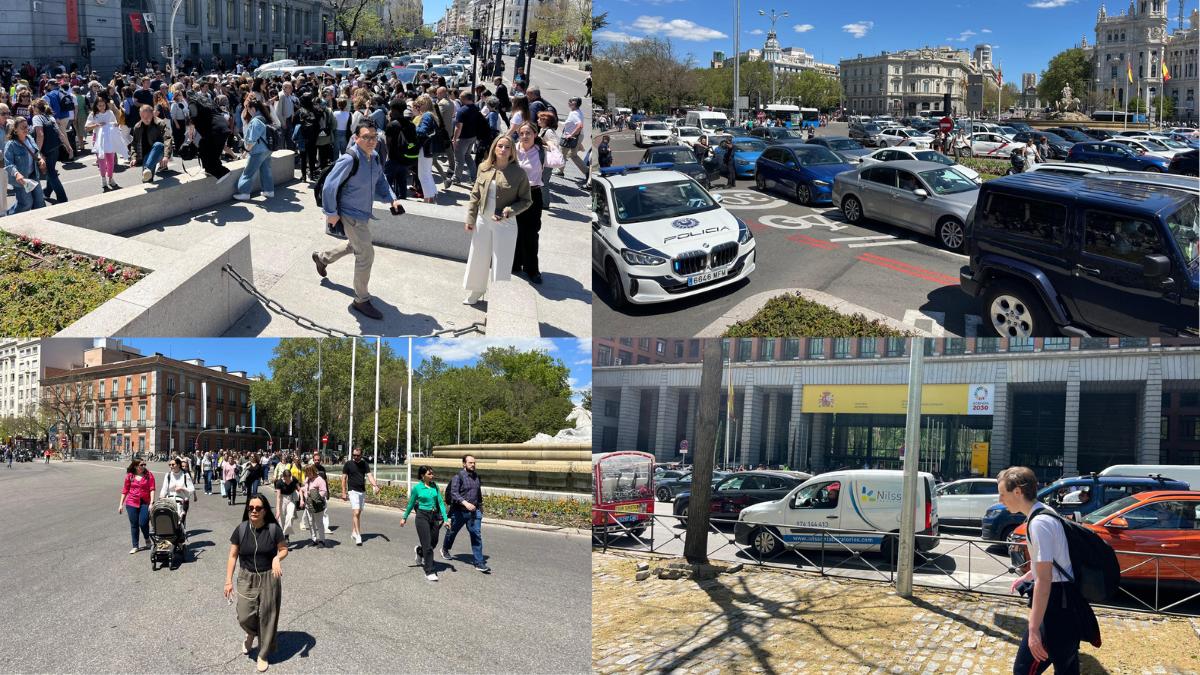

April 28, 2025, will be marked in the energy history of the Iberian Peninsula following one of the most significant blackouts of recent decades. The power outage, which simultaneously affected Spain and Portugal, has become one of the 15 most significant electricity cuts in world history by the number of people affected, with more than 58 million citizens experiencing its consequences.
A Historic Blackout
What makes this incident particularly notable is not only its magnitude but also the response to the crisis by the authorities and citizens. Unlike other major historical blackouts, such as North America in 2003 or India in 2012, the response from authorities, electrical system operators, and supply companies helped mitigate its impact on critical infrastructures.
Throughout the day, the restoration of service progressed while hospitals, airports, and essential services continued to operate thanks to their backup systems, demonstrating the importance of having robust emergency protocols.
Coordinated Protocols
A key factor in this relatively quick response was the action of REDEIA (formerly known as Red Eléctrica de España), the Spanish electrical system operator, which has over four decades of experience in managing the high-voltage transmission network. I recommend following their explanations on social media.
The company activated its contingency protocols and coordinated with its Portuguese counterpart, REN (Redes Energéticas Nacionais). This cross-border collaboration was crucial to isolating the initial fault and preventing a domino effect that could have extended the blackout to other European regions.
It is important to highlight the significance of maintaining a continuous investment strategy in real-time monitoring technologies and intelligent network management systems, which allow for rapid anomaly detection and precise response, despite the enormous magnitude of the incident for an interconnected electrical system like the European one.
Read more: The drawbacks of Spain and Portugal being an energy island
Preliminary Causes and Lessons Learned
Although investigations to determine the exact causes of the blackout are ongoing, initial hypotheses point to technical factors (although intentional attacks have been considered, there is no evidence at this time).
This incident underscores the importance of continuing to strengthen electrical infrastructures to make them more resilient to extreme events, especially in a context of energy transition and climate change. Although essential for sustainability, the increasing integration of renewable energies into the Iberian energy mix poses new challenges to network stability that will require innovative solutions.
Read more: Do renewables increase the risk of blackouts in the electrical network?
Notably, the public's reaction during the blackout was commendable, with few incidents reported despite the magnitude of the power cut. Emergency services recorded a high but manageable volume of calls, mainly informational inquiries rather than critical situations.
Social networks, accessible through battery-powered mobile devices, served as an alternative information channel, allowing authorities to disseminate recommendations and updates on the progress in restoring service. Radio also proved essential, as in previous emergency situations (DANA, Filomena, and many other times).
Read more: 72-hour backpack: what foods should I include to help me survive and reduce stress?
Repercussions for Europe
This blackout will have significant repercussions on the energy policies of the European Union. While the Iberian system has demonstrated its recovery capacity, the incident reinforces the need to accelerate investments in electrical interconnections between member countries and in energy storage systems that can provide backup in emergency situations.
The European Commission has already announced that it will study this case in detail to draw conclusions applicable to the entire continental electrical network, in line with the goals of the European Green Deal and the decarbonization strategy for 2050.
The great Iberian blackout, despite its historical magnitude, is demonstrating that preparation, investment in robust infrastructures, and effective coordination between operators are decisive factors in minimizing the impact of this type of crisis. The response from REDEIA and REN, along with the responsible behavior of the citizens, makes what could have been a catastrophe a case study on the management of energy emergencies.
As the power supply is progressively restored across the peninsula, analyses are already beginning to reinforce the resilience of a system that, despite today's incident, confirms its position among the most reliable and advanced in the world.

Cláusula de Divulgación
Mar Rubio Varas no recibe salario, ni ejerce labores de consultoría, ni posee acciones, ni recibe financiación de ninguna compañía u organización que pueda obtener beneficio de este artículo, y ha declarado carecer de vínculos relevantes más allá del cargo académico citado.


Latest news





Upcoming events
12
Nov
El Desembarco, la traición de Viriato at La Caja Blanca
12
Nov
HOMER El Mero Mero at Sala Trinchera Málaga
13
Nov
Marbella Startup Lab – Innovate & Collaborate
13
Nov
Candlelight: Coldplay & Imagine Dragons at Sala Fundación Unicaja María Cristina
13
Nov
Candlelight: Tribute to Ludovico Einaudi at Anantara Villa Padierna
Similar News
Javi Vilchez, the 20-Year-Old Espetero Winning Over Málaga with His Skill at the Grill
What to Do in Málaga This Weekend: Concerts, Bachata, Flamenco and an Arabian Market
Incosol: the pioneering health tourism hotel in Marbella regains its momentum
