The Benaoján mollete winning over fine dining: up to 2,500 handmade pieces a day
From a small bakery in the Serranía de Ronda, Pedro Heras’ molletes are making their way to restaurants and hotels across Spain, including establishments run by Michelin-starred chefs.
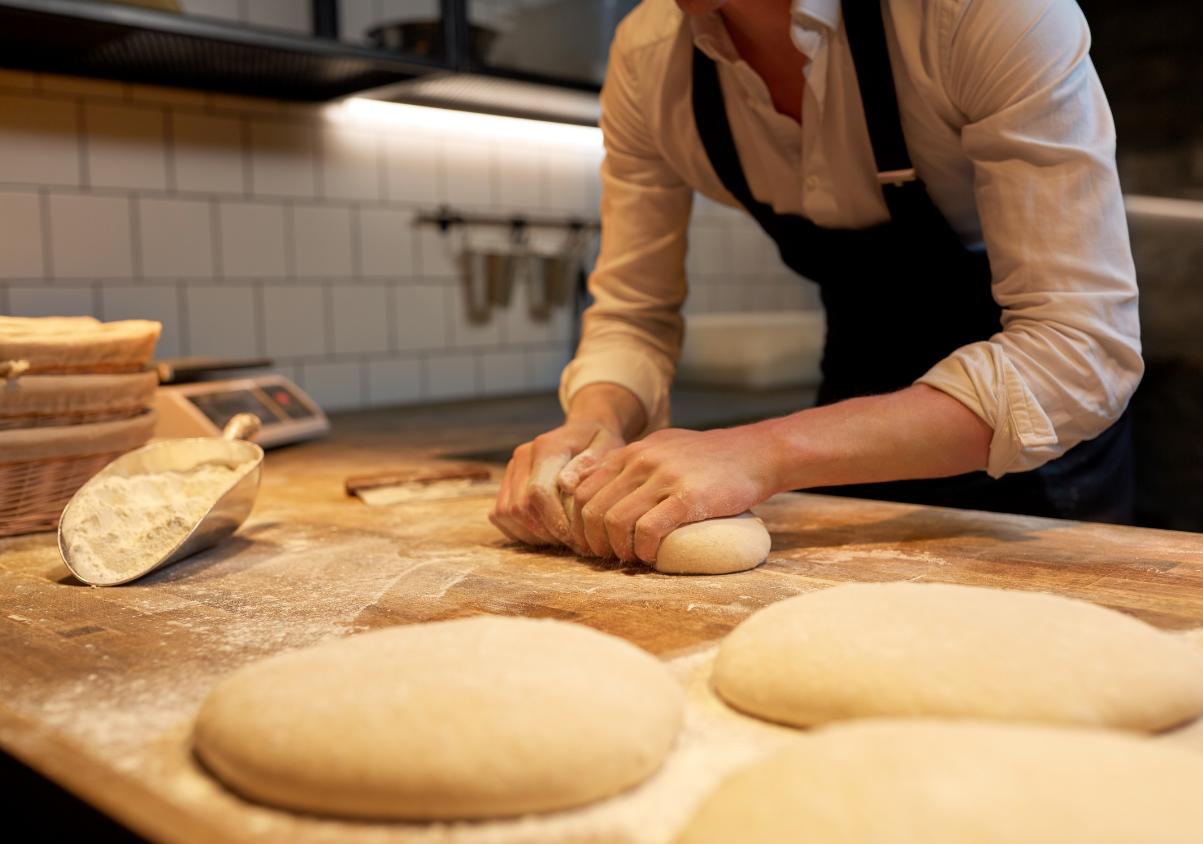

In Benaoján, a small village in the Serranía de Ronda traditionally known for its cured meats, another local product is earning a place in some of Spain’s most prestigious kitchens: the artisan mollete made by Obrador Máximo.
Behind each piece is the work of Pedro Heras, who continues a family tradition in which skilled hands still perform much of the work that would normally be handled by machinery in an industrial bakery.
There are no automatic moulds determining the exact size of every piece. Instead, years of experience allow the dough to be divided, shaped and worked at remarkable speed. On particularly busy days, production can exceed 2,500 molletes.
A difficult dough that relies on skill rather than machinery
One of the keys to the product lies in the dough itself.
It has a high hydration level, making it extremely soft while still needing enough elasticity to recover its shape after being handled. Achieving that balance requires careful control of both kneading time and temperature.
The process is also very different from many modern bread-making methods. There are no long cold fermentations. The dough begins to be worked almost immediately after leaving the mixer, and it is the baker’s hands that create the tension needed in each portion.
Once shaped into balls, the dough is generously coated in flour and left to ferment. Then comes one of the most distinctive stages of the process: every piece is flattened by hand, removing some of the flour while giving the mollete its characteristic shape before a second fermentation.
The result is a light bread with an open, airy crumb, capable of absorbing sauces and fats while still retaining its structure.
From Benaoján to Michelin-starred restaurants
What was once primarily a local product has found a very different audience.
Molletes made in Benaoján are now served in restaurants, hotels and gastronomic venues across Spain, with several recognised chefs incorporating them into their menus.
Among the Málaga chefs who have worked with these molletes are Dani Carnero, Benito Gómez and Mario Cachinero, all associated with restaurants recognised by the Michelin Guide.
The bread has also reached establishments in Madrid and Catalonia, as well as major hotels and restaurants across Málaga.
Its success shows how an apparently simple product can become part of fine dining when the production process is difficult to reproduce on an industrial scale.
The secret is not just in the ingredients
What makes these molletes different is largely the way the dough is handled.
Its high hydration makes it difficult to work with, requiring speed, sensitivity and experience. The baker effectively acts as a human dough rounder, creating tension in every piece through repeated hand movements.
Machinery could make it possible to produce much larger quantities, but it would also change one of the essential characteristics of the product.
That is why producing several thousand pieces in a single day represents a considerable workload for a bakery where much of the process is still carried out one mollete at a time.
There is a right way to heat a mollete
Even preparing one at home comes with a small trick.
The recommendation is to heat the mollete whole before opening it, rather than separating the two halves and toasting the crumb directly.
A small cut can be made along the side, but the two halves should remain together while heating. This allows the outside to warm and lightly toast while the inside keeps more of its softness and moisture.
After that comes the easy part: opening it and choosing the filling.
Olive oil, tomato, ham, lard, slow-cooked meat or more elaborate creations can turn this simple bread into anything from a traditional breakfast to a fine-dining dish.
A humble product becoming an ambassador for Benaoján
The success of Obrador Máximo is particularly striking because it does not come from transforming the mollete into something overly sophisticated.
Its appeal lies precisely in preserving an artisan technique, a limited production process and knowledge passed down through generations.
While much of the food industry continues to move towards greater automation, something very different is happening in Benaoján: thousands of pieces of bread still depend every day on the skill of human hands.
From this small Málaga village, they then travel to restaurants across Spain, turning the mollete into another local product capable of carrying the name of the Serranía de Ronda far beyond the province.
To discover more about the bakery and its products, visit the official Obrador Máximo Instagram profile.

Latest news

Upcoming events
17
Sep
La Pequeña Cuba Gastro-Cultural Festival in San Pedro Alcántara 2026
18
Sep
World Wellness Weekend Marbella 2026
18
Sep
Candlelight: Queen vs. ABBA in Málaga
18
Sep
Candlelight: Coldplay and Imagine Dragons in Málaga
18
Sep
3 de Corazones – Pancho Céspedes, Enrique Ramil and José Luis Jaén in Málaga
Similar News
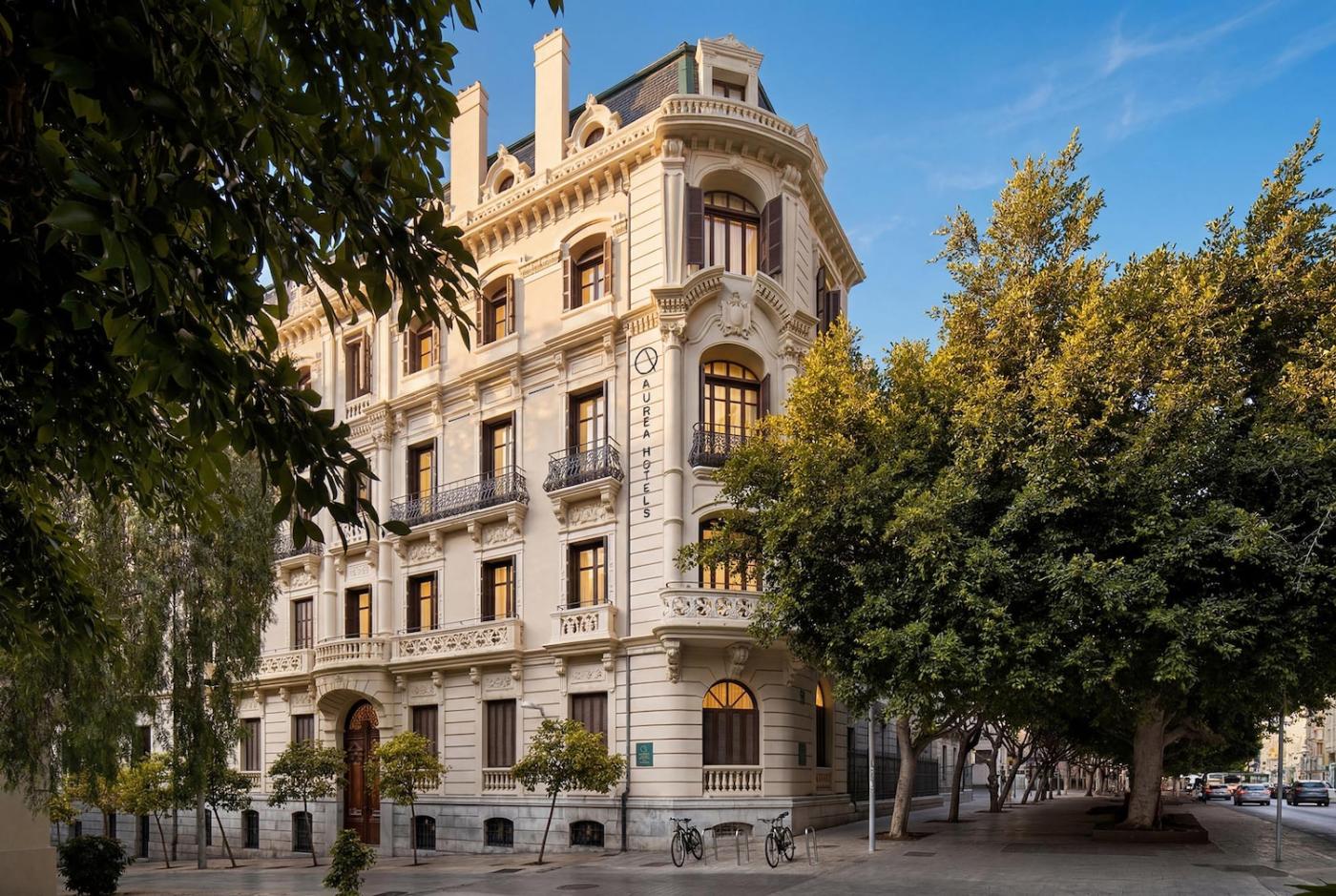
Málaga’s Palacio de la Tinta reborn as a five-star hotel opposite La Malagueta
Málaga

Virgen de la Victoria in Málaga 2026: times, procession and full route for 7 and 8 September
Málaga

Málaga school calendar 2026-2027: when classes start and all the main holiday dates
Málaga