


Costa del Sol places three residential areas among the ten most expensive in Spain
Benahavís and Marbella once again stand out in Spain’s luxury property market, with Coto Zagaleta averaging €10.5 million and Osa Menor and Cascada de Camoján also entering the national top ten.
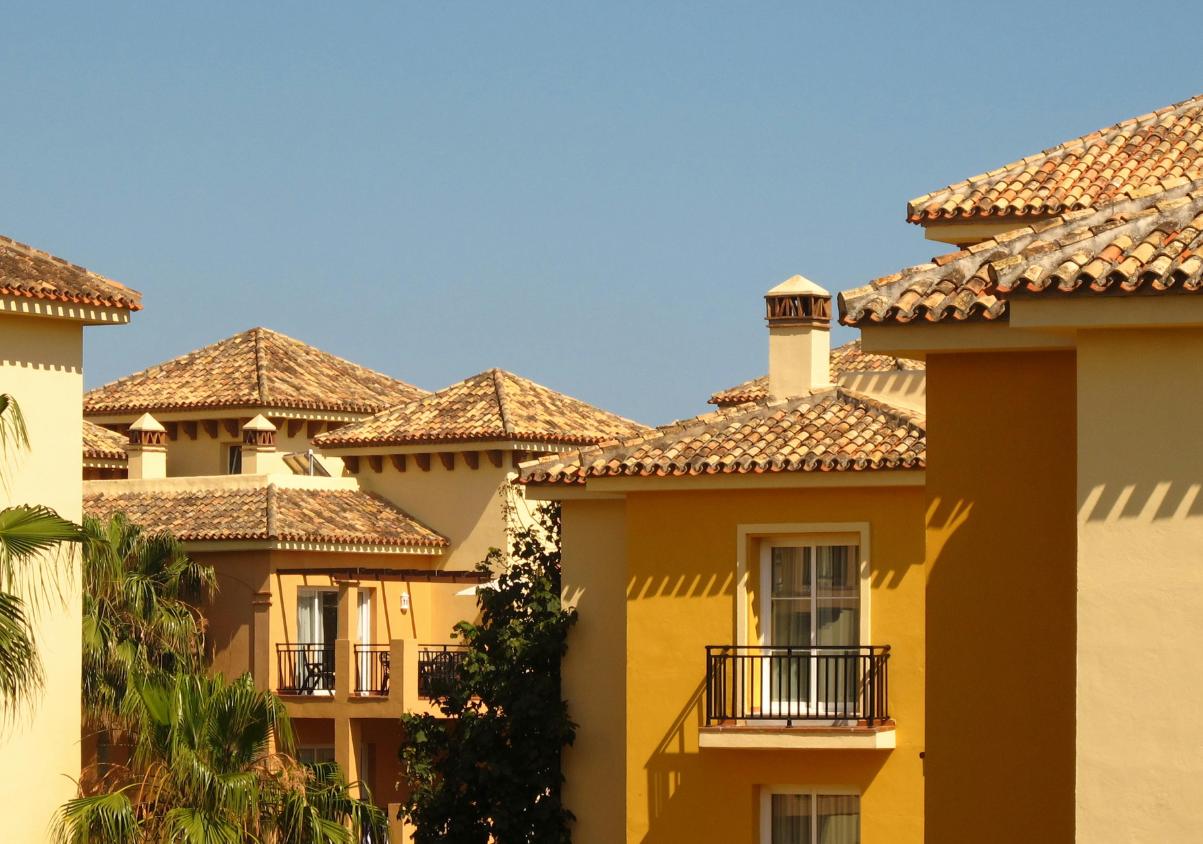

The Costa del Sol remains one of Spain’s strongest luxury property markets. Three locations in Benahavís and Marbella have been ranked among the ten most expensive places in the country to buy a home in 2026, alongside some of the most exclusive addresses in Madrid and Mallorca.
The highest-ranked Málaga location is Coto Zagaleta, in Benahavís, where homes currently on the market have an average asking price of €10.5 million. That places it third nationwide.
Marbella also appears twice in the ranking, with Calle Osa Menor averaging €7.85 million and Cascada de Camoján reaching €6.395 million.
Coto Zagaleta ranks third in Spain
The exclusivity of La Zagaleta once again puts Benahavís near the very top of Spain’s luxury residential market.
Coto Zagaleta takes third place, behind only two addresses where average asking prices now exceed €10 million.
The most expensive is Camí des Salinar, in Andratx, Mallorca, with an average property price of €15 million.
Second place goes to Paseo de los Lagos, in Pozuelo de Alarcón near Madrid, where the average reaches €11 million.
La Zagaleta therefore loses the number-one position it held in 2025, when average asking prices were above €12.3 million, but it remains firmly among Spain’s three most exclusive residential locations.
Two Marbella addresses make the top ten
Marbella also maintains a strong presence in the ranking.
Calle Osa Menor sits in seventh place, with homes listed at an average of €7.85 million.
Further down, Cascada de Camoján closes the national top ten with an average asking price of €6.395 million.
Located close to Sierra Blanca and La Concha, Cascada de Camoján is known for large villas, privacy and Mediterranean views, making it one of Marbella’s most established high-end residential areas.
Together, these three Málaga locations account for 30% of Spain’s ten most expensive addresses.
Mallorca, Madrid and Málaga dominate the ranking
One of the most striking conclusions from the study is how geographically concentrated Spain’s luxury market has become.
All ten of the country’s most expensive addresses are located in just three areas: the Balearic Islands, Madrid and Málaga province.
After Camí des Salinar, Paseo de los Lagos and Coto Zagaleta come Carrer Mossa, in Palma, with an average of €9.8 million; Paseo del Conde de los Gaitanes, in La Moraleja, at €8.9 million; and Carrer Binicaubell, also in Palma, at €7.9 million.
Osa Menor is followed by two of Madrid’s best-known streets, Serrano and José Ortega y Gasset, both averaging €6.95 million, before Cascada de Camoján completes the top ten.
That means entering this exclusive national group now requires average asking prices of more than €6.3 million.
Costa del Sol remains a major hub for luxury property
The strong showing of Benahavís and Marbella underlines the importance of the Costa del Sol within Spain’s prime property sector.
Areas such as La Zagaleta, Sierra Blanca, Cascada de Camoján, the Golden Mile and Nueva Andalucía attract high-net-worth buyers looking for large villas, spacious plots, privacy and premium services.
The figures should, however, be interpreted carefully. They represent the average total asking price of properties listed in each location, rather than the average price per square metre or the value of the single most expensive home in each area.
Even so, the ranking once again reinforces the Costa del Sol’s position within Spain’s luxury property market, with Benahavís on the national podium and Marbella adding two more locations to the top ten.
The full ranking, methodology and regional breakdown can be found in the official Idealista study published on 20 August 2026.

Latest news





Upcoming events
12
Nov
El Desembarco, la traición de Viriato at La Caja Blanca
12
Nov
HOMER El Mero Mero at Sala Trinchera Málaga
13
Nov
Marbella Startup Lab – Innovate & Collaborate
13
Nov
Candlelight: Coldplay & Imagine Dragons at Sala Fundación Unicaja María Cristina
13
Nov
Candlelight: Tribute to Ludovico Einaudi at Anantara Villa Padierna
Similar News

Four campsites in Málaga for travelling with your dog this summer
Costa del Sol
