


The New York Times examines Málaga’s transformation: from tourism and tech success to the housing crisis
The US newspaper has published an in-depth report on the changes experienced by the Costa del Sol capital under Francisco de la Torre, raising the central question behind its growth: how much can a city transform without losing what made it distinctive?
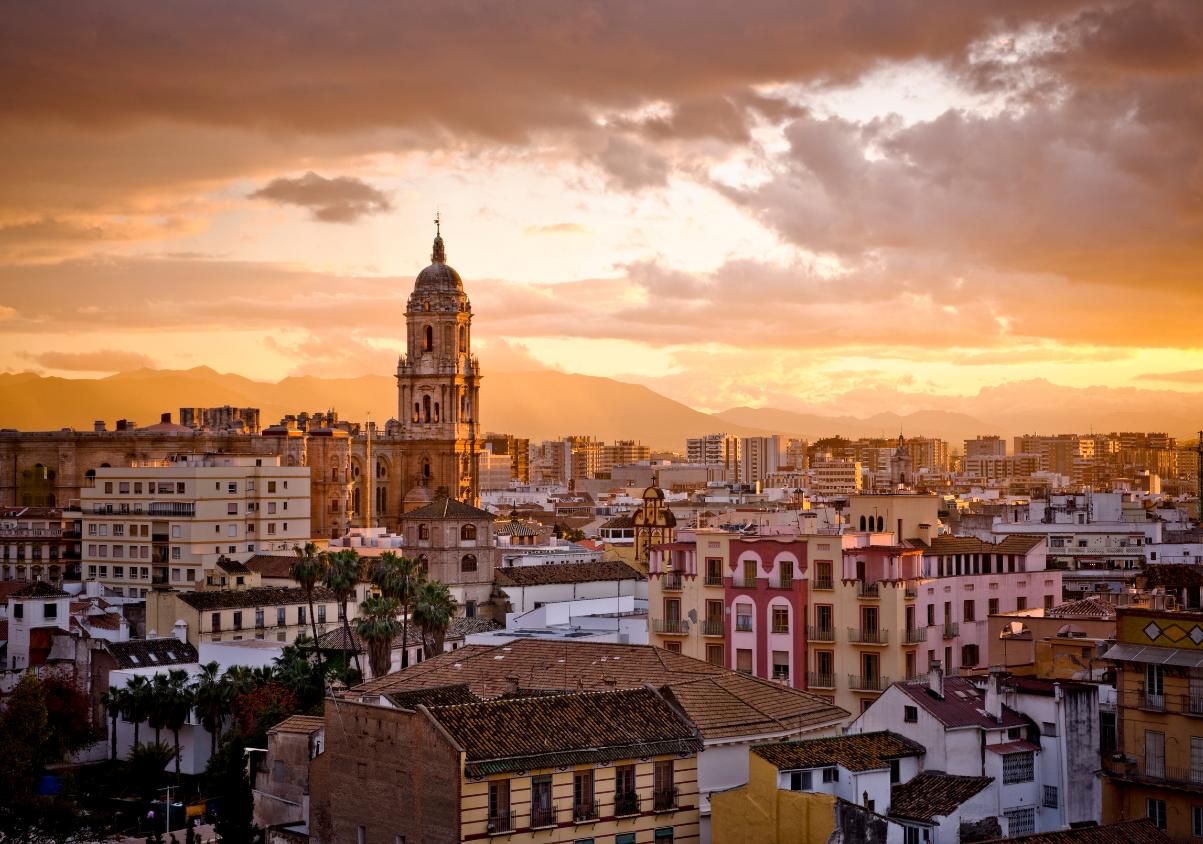

The transformation of Málaga over the past few decades has crossed the Atlantic to become the focus of one of the world’s most influential newspapers. The New York Times has published an extensive report examining how the Costa del Sol capital has gone from searching for a new economic identity to becoming an internationally recognised tourism, cultural and technology destination.
But the American newspaper goes far beyond presenting a simple success story.
Journalist Jason Horowitz walks through Málaga with its mayor, Francisco de la Torre, using the visit to explore the two sides of a transformation that has radically reshaped the city: on one hand, the regeneration of the centre, cultural expansion, the arrival of technology companies and tourism growth; on the other, rising housing costs, the proliferation of holiday rentals and fears among some residents that Málaga is gradually losing its identity.
Málaga through the eyes of The New York Times
The report begins in one of the places that best symbolises Málaga’s transformation: its port.
Francisco de la Torre accompanies the journalist through the Palmeral de las Sorpresas, an area now filled with restaurants, shops, cultural spaces and visitors, and one that serves as a starting point for explaining how dramatically the city has changed.
During the walk, residents stop the mayor to acknowledge the changes made during his years in office, while foreign residents thank him for making them feel welcome in Málaga.
But the article quickly introduces its central question: can the same model that has generated prosperity eventually create problems capable of changing the very essence of the city?
That contradiction runs throughout the report.
Tourism and technology: Málaga’s two major bets
The New York Times places Málaga within a wider trend affecting European cities that have had to reinvent their economies after decades of industrial change.
In Málaga’s case, the newspaper identifies two major engines of growth: tourism and technology.
The first is clear to anyone who has visited the city in recent years. The regeneration of the Historic Centre, the opening of cultural institutions, the redevelopment of the port, international connections through Málaga Airport and the expansion of the hotel sector have transformed the city into an urban destination that complements the Costa del Sol’s traditional sun-and-beach tourism.
The second strategy has developed particularly around Málaga TechPark, which has become one of southern Spain’s most important business and technology hubs. The park ended 2025 with 29,018 employees and a combined turnover of €4.896 billion, reflecting the scale the technology sector has reached within the local economy.
The report includes comments from its director, Felipe Romera, who highlights political stability and the strategy followed over recent decades as important factors in attracting international companies.
From Picasso to a city of museums
Culture also plays a major role in the analysis.
For years, Málaga has used its connection with Pablo Picasso as one of the foundations of its international image. From there, the city has developed a much broader cultural offering, with museums and exhibition centres helping to change the way many visitors perceive Málaga.
Miguel López-Remiro, artistic director of the Museo Picasso Málaga, appears in the report to discuss this cultural transformation.
However, even this aspect of the city’s development generates debate.
Local activist Kike España, linked to social movements critical of Málaga’s current urban model, questions the use of Picasso as one of the symbols of the city’s new cosmopolitan identity when the artist left Málaga as a child and spent most of his formative years elsewhere.
The contrast captures the overall tone of the article: almost every achievement associated with Málaga’s transformation is accompanied by a discussion of its possible consequences.
Housing is the major concern behind Málaga’s growth
If there is one issue at the centre of The New York Times report, it is access to housing in Málaga.
The city’s growing popularity with tourists, the arrival of international residents and the expansion of short-term holiday rentals have coincided with increasing pressure on the property market.
Málaga City Council has acknowledged for several years the need to find a better balance between tourism activity and residential use. By July 2025, the city had more than 12,700 registered tourist accommodation properties, with a particularly high concentration in the Historic Centre.
Municipal studies have also identified a connection between areas facing the greatest tourism pressure and higher rental prices, making it increasingly difficult for some residents to find affordable housing.
This is where the report introduces some of the most critical voices surrounding Málaga’s transformation.
For several neighbourhood and social groups, the question is no longer simply how much Málaga has changed, but who can still afford to live in the city that has emerged from that transformation.
‘Málaga is not for sale’: residents push back
The article also recalls the protests that have placed housing at the centre of public debate in recent years.
One of the people featured is again Kike España, who helped organise the major demonstration held in Málaga on 29 June 2024, when thousands of people took to the streets to demand solutions to rising rents and the impact of tourism on residential neighbourhoods.
Slogans such as “Málaga no se vende, Málaga se defiende” — “Málaga is not for sale, Málaga must be defended” have since become some of the most recognisable expressions of opposition to the current tourism model.
The New York Times uses this context to show a very different Málaga from the image usually promoted in tourism campaigns: residents concerned about housing prices, neighbourhoods undergoing rapid demographic change and a city centre increasingly geared towards short-term visitors.
Francisco de la Torre defends the city’s model
A large part of the report revolves around Francisco de la Torre, who has served as mayor of Málaga since 2000 and whose political career has become closely associated with the city’s transformation during the 21st century.
The mayor rejects the idea that responsibility for the housing problem lies exclusively with the local council, arguing that many of the current difficulties are linked to wider national issues, particularly the insufficient construction of new homes.
At the same time, pressure on Málaga’s housing market has led the council to introduce and consider measures aimed at limiting the continued growth of tourist accommodation in the most saturated areas.
The debate will also have a political continuation. De la Torre has confirmed his intention to stand again in the 2027 municipal elections, meaning housing, tourism and urban growth are likely to remain major issues in the next campaign.
A victim of its own success?
The question raised by The New York Times does not have a simple answer.
Málaga today enjoys a far stronger international profile than it did just two decades ago. It has regenerated urban areas, greatly expanded its cultural offering, attracted investment and international businesses and successfully positioned itself within the competitive European market for city destinations.
At the same time, that success has created new tensions.
Málaga’s growing appeal increases demand for housing, attracts overseas investment and adds further tourism pressure to certain neighbourhoods. The same city that becomes increasingly attractive to visitors, investors and people looking to relocate can also become increasingly difficult to afford for those who already live there.
That contradiction is precisely what makes Málaga an interesting case for an international newspaper.
A transformation shared by other European cities
The debate explored by the US newspaper goes well beyond Málaga.
Lisbon, Barcelona, Amsterdam, Venice and other major European cities have spent years trying to find a balance between tourism, investment, housing and residents’ quality of life.
Málaga has now fully joined that conversation.
For years, the priority was to make the city better known internationally, attract visitors and diversify an economy historically affected by high unemployment.
Now the challenge appears to be different: how to manage success once it has been achieved.
The report therefore presents a much more complex picture of Málaga than that of a simple holiday destination. It is a city in transition, where technological growth, museums, international newcomers and extraordinary global visibility coexist with housing problems, tourism saturation and concerns over the loss of traditional shops and residential life.
And perhaps that tension best defines the current moment in the Costa del Sol capital: Málaga has already succeeded in transforming itself; the question now is what kind of city it wants to become next.
The full analysis that has brought Málaga’s transformation to an international audience can be read in the original report published by The New York Times.

Latest news




Upcoming events
12
Nov
El Desembarco, la traición de Viriato at La Caja Blanca
12
Nov
HOMER El Mero Mero at Sala Trinchera Málaga
13
Nov
Marbella Startup Lab – Innovate & Collaborate
13
Nov
Candlelight: Coldplay & Imagine Dragons at Sala Fundación Unicaja María Cristina
13
Nov
Candlelight: Tribute to Ludovico Einaudi at Anantara Villa Padierna
Similar News

Bancosol’s Great Food Collection returns to Malaga: how and where to donate
Málaga

Christmas lunches in Málaga are already booking up: restaurants almost full after reservations began in May
Málaga

Malaga Marathon 2026 road closures: affected streets and times this Sunday
Málaga
