Greenpeace warns of the tropicalisation of the Costa del Sol and the growing risk to its beaches
The environmental organisation says the warming of the Mediterranean, coastal erosion and urban pressure threaten the environmental and economic future of Andalusia’s coastline.
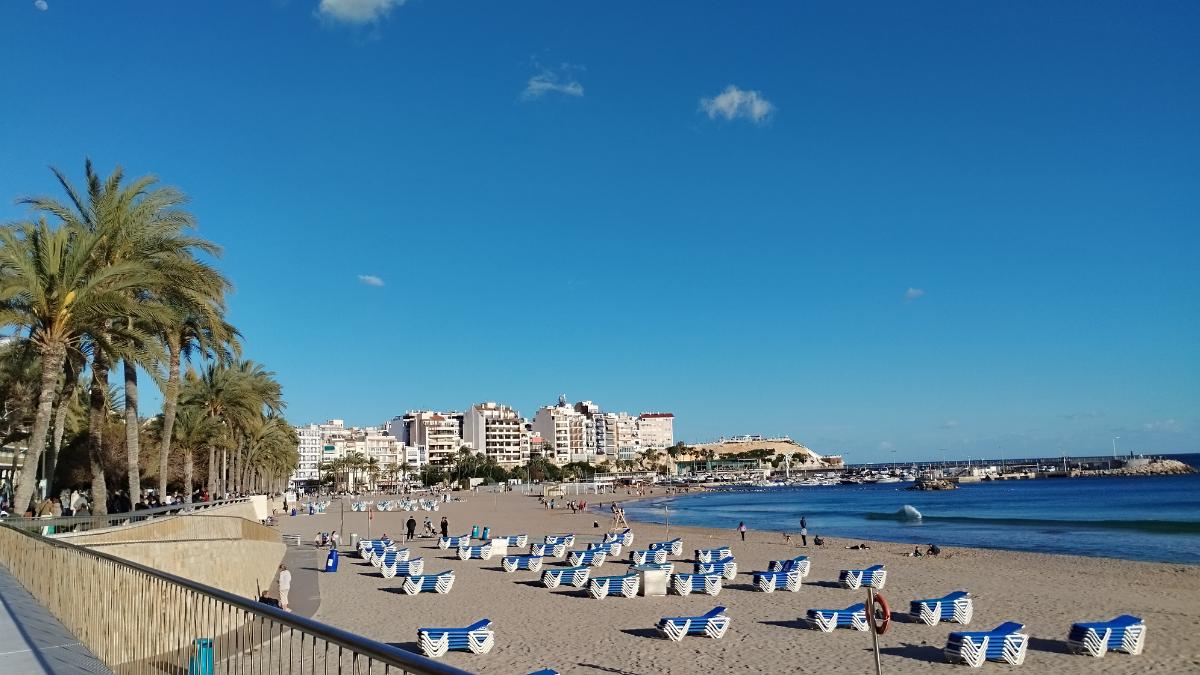

The Costa del Sol is once again at the centre of the debate about the future of the coastline. Greenpeace has warned about the tropicalisation of the Mediterranean and the increasing vulnerability of Andalusian beaches to climate change, rising sea levels and decades of urban development along the coast.
The warning is part of the report Destrucción a Toda Costa 2026, in which the organisation states that the Andalusian coastline has around 46 emergency hotspots and calls for artificial beach replenishment to be replaced by solutions based on natural restoration.
A Mediterranean Sea that is getting warmer
One of the main warnings in the report is the rapid transformation of the Mediterranean. According to Greenpeace, this sea is warming 20% faster than the global average, a trend that contributes to the loss of key ecosystems such as seagrass meadows and corals, while also altering fish populations.
This process, known as tropicalisation, involves changes in water temperature, marine biodiversity and the balance of coastal ecosystems. For destinations such as the Costa del Sol, closely linked to the sea and beach tourism, the impact is not only environmental but also economic and social.
Beaches are becoming more fragile
Greenpeace warns that beach erosion directly threatens Andalusia’s tourism model. The organisation points out that sun-and-beach tourism remains one of the main economic drivers of the coastline, and that the loss of sand could affect both employment and hotel and service activity.
The report notes that, in coastal provinces such as Málaga and Cádiz, the loss of just one metre of dry beach could lead to the disappearance of between 300 and 500 direct jobs. In addition, the most unfavourable projections for 2050 suggest that rising sea levels could cause the coastline to retreat by up to 25 metres.
Urban pressure increases the risk
The organisation also highlights the impact of urban development on the coastline’s natural ability to defend itself. According to the data gathered by Greenpeace, 36% of Andalusia’s coastal surface has already been urbanised, reducing natural features that help protect the coast against storms and rising sea levels.
Among the examples mentioned is the project to urbanise the dunes of El Barronal, in Marbella, alongside other cases of urban pressure in different parts of the Andalusian coast. For Greenpeace, continuing to build in sensitive areas increases the coastline’s exposure to future damage.
Replenishing beaches with sand is no longer enough
The report questions the current model of artificial beach regeneration, based on replacing sand after storms. Greenpeace estimates that this year public administrations will allocate around €46 million to repairing damage and restoring sand on Andalusian beaches, a strategy it considers increasingly costly and less effective as the sea advances.
Instead, the organisation proposes long-term adaptation measures: restoring dunes and wetlands, limiting new construction in flood-prone areas, planning the gradual withdrawal of exposed infrastructure and allowing rivers to bring sediment back to beaches.
The Costa del Sol faces a long-term challenge
Greenpeace’s warning comes at a time when the Costa del Sol remains heavily dependent on coastal tourism. Its beaches, promenades, marinas, hotels and related services are essential to the local economy, but they are also among the areas most exposed to the effects of climate change.
The organisation’s message is clear: protecting the coast can no longer mean simply repairing damage after each storm. It requires rethinking the way the coastline is occupied and strengthening its natural defences before beach loss becomes irreversible.
📍 Affected area: Costa del Sol and Andalusian coastline.
🌊 Main issue: tropicalisation of the Mediterranean, erosion and rising sea levels.
🏗️ Additional factor: urban pressure on coastal areas.
💶 Estimated cost: around €46 million for repairs and sand replenishment in Andalusia.
⚠️ Risk: beach loss, environmental damage and threats to tourism-related employment.
🌱 Greenpeace proposal: natural restoration, protection of dunes and wetlands, and climate adaptation.
The information comes from the article published by Cadena SER about Greenpeace’s Destrucción a Toda Costa 2026 report.

Latest news



Upcoming events
17
Sep
La Pequeña Cuba Gastro-Cultural Festival in San Pedro Alcántara 2026
18
Sep
World Wellness Weekend Marbella 2026
18
Sep
Candlelight: Queen vs. ABBA in Málaga
18
Sep
Candlelight: Coldplay and Imagine Dragons in Málaga
18
Sep
3 de Corazones – Pancho Céspedes, Enrique Ramil and José Luis Jaén in Málaga
Similar News

Winter time change in Málaga 2026: when the clocks go back and what time it happens
Costa del Sol

La Vuelta 2026 passes through Málaga this Friday: road closures, timings and EMT bus routes affected
Costa del Sol

Málaga’s Hospitality Sector Reaches Record High with 120,000 Workers
Costa del Sol