


Salares, the Small White Village in Málaga Combining Nature and Moorish Heritage
Located in the heart of the Axarquía and surrounded by the Sierras de Tejeda, Almijara and Alhama, this village offers Andalusian-style streets, historic monuments and a mountain setting that is especially appealing during summer.
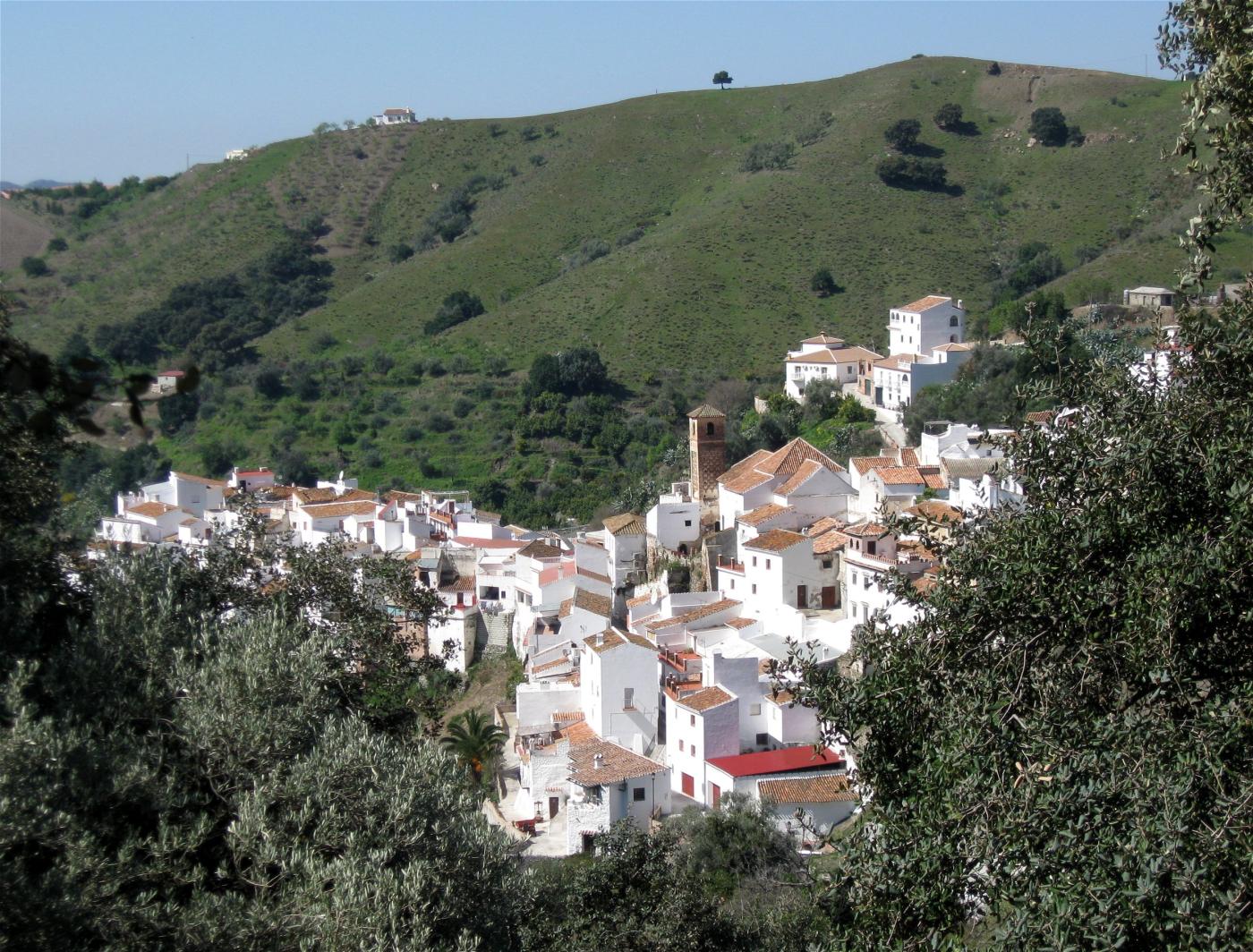

When temperatures rise across much of Málaga province, mountain villages become an excellent way to discover a different side of the region. One of these destinations is Salares, a small white village in the Axarquía located within the Sierras de Tejeda, Almijara and Alhama Natural Park.
Its position among mountains, forests, ravines and waterways creates a generally cooler and more pleasant atmosphere than the busier coastal areas. The village also preserves clear traces of its Andalusian past and forms part of the well-known Axarquía Mudéjar Route.
A White Village with Narrow Streets and Andalusian Origins
Walking through Salares means exploring a network of narrow, steep and stepped streets that follow the natural shape of the mountainside.
Whitewashed houses, passageways and the irregular layout of the historic centre reflect the village’s Islamic origins. The white façades contrast with the green mountains surrounding the municipality, creating one of the most characteristic landscapes of inland Axarquía.
Salares is one of the seven municipalities included in the Mudéjar Route, a cultural itinerary connecting villages where architecture, urban planning and traditions still preserve an important Islamic influence.
The Minaret of Santa Ana, Its Main Historic Landmark
Salares’ most important monument is the Church of Santa Ana, built during the 16th century on the site of the former local mosque.
Its most distinctive feature is the old minaret, now incorporated into the bell tower. This Almohad structure is considered one of the finest surviving examples of Islamic architecture in Málaga province.
The minaret was declared a Historic-Artistic Monument and has become the most recognisable symbol of Salares.
Other traces of the medieval past can be found at the Casa del Torreón, the remains of the old fortress and several sections of the wall that once protected the settlement.
A Bridge Reflecting the Village’s Roman Past
Just outside the historic centre stands the so-called Roman bridge of Salares, built over the river that crosses the municipality.
It is one of the village’s most photographed landmarks and reflects the historical importance of the area even before the Andalusian period.
The surrounding landscape, with vegetation and walking paths, also makes the bridge a good starting point for exploring the natural environment.
Nature and Walking Routes for Summer
Salares lies within one of the most important natural areas in eastern Málaga province. Its municipal territory extends from the higher sections of the mountain ranges to the valleys of the Salares and Rubite rivers.
Places such as Cerro del Puerto, Fuente de Albarrá and the paths crossing the natural park provide opportunities for walking and hiking among trees and mountain landscapes.
The altitude, mountainous terrain and wooded areas help moderate the summer heat, making the village a good option for anyone wishing to escape the coast for a few hours.
Festivals Keeping Local Traditions Alive
Despite its small size, Salares maintains an active calendar of celebrations closely connected to its history.
The patron saint festivities in honour of Santa Ana take place during the summer and include popular activities, music and religious events.
Another major celebration is the Andalusian Arab Festival, usually held in September and recognised as a Provincial Festival of Tourist Interest.
During the event, the village streets recreate their medieval atmosphere with markets, traditional food, performances, falconry displays and candlelight that transforms the historic centre.
Traditional Flavours and Artisan Wine
Local gastronomy is another important part of Salares’ identity. One of its most characteristic dishes is fennel stew, prepared with ingredients linked to traditional inland Axarquía cuisine.
Local desserts include wine doughnuts and orange-flavoured rings.
The hills surrounding the village also contain vineyards where the local Rome grape variety is grown and used to produce artisan wine. This activity continues to hold significant cultural and ethnographic value for the municipality.
How to Reach Salares from Málaga
Salares is located approximately 58 kilometres from Málaga city.
The journey begins on the A-7 motorway towards Vélez-Málaga and continues along the A-356. Several regional roads then lead inland through the Axarquía until reaching the village.
The final section passes through a mountainous landscape with winding roads, so drivers should travel carefully and allow sufficient time for the journey.
Practical Information
Municipality: Salares
Region: Axarquía
Province: Málaga
Distance from Málaga city: Approximately 58 kilometres
Natural setting: Sierras de Tejeda, Almijara and Alhama Natural Park
Cultural route: Axarquía Mudéjar Route
Main attractions: Church of Santa Ana and its minaret, Casa del Torreón, fortress remains, Roman bridge and historic centre
Local food: Fennel stew, wine doughnuts, orange rings and artisan wine
Information source: Málaga Hoy

Latest news





Upcoming events
12
Nov
El Desembarco, la traición de Viriato at La Caja Blanca
12
Nov
HOMER El Mero Mero at Sala Trinchera Málaga
13
Nov
Marbella Startup Lab – Innovate & Collaborate
13
Nov
Candlelight: Coldplay & Imagine Dragons at Sala Fundación Unicaja María Cristina
13
Nov
Candlelight: Tribute to Ludovico Einaudi at Anantara Villa Padierna
