


The 10 best beaches on the Costa del Sol: a complete guide to choosing where to swim
From protected coves and natural landscapes to large urban beaches with every service, we explore ten of the most highly rated spots along Málaga’s coastline


The Costa del Sol offers kilometres of coastline and beaches suited to almost every type of visitor. There are urban beaches next to restaurants and promenades, calm coves for families and natural areas that are ideal for snorkelling or escaping the city atmosphere.
Choosing just one is not easy. This guide brings together ten of the most popular and highly rated beaches on the Costa del Sol, from Nerja to Estepona, explaining what each one offers and what kind of visit it is best suited to.
1. Burriana Beach, Nerja
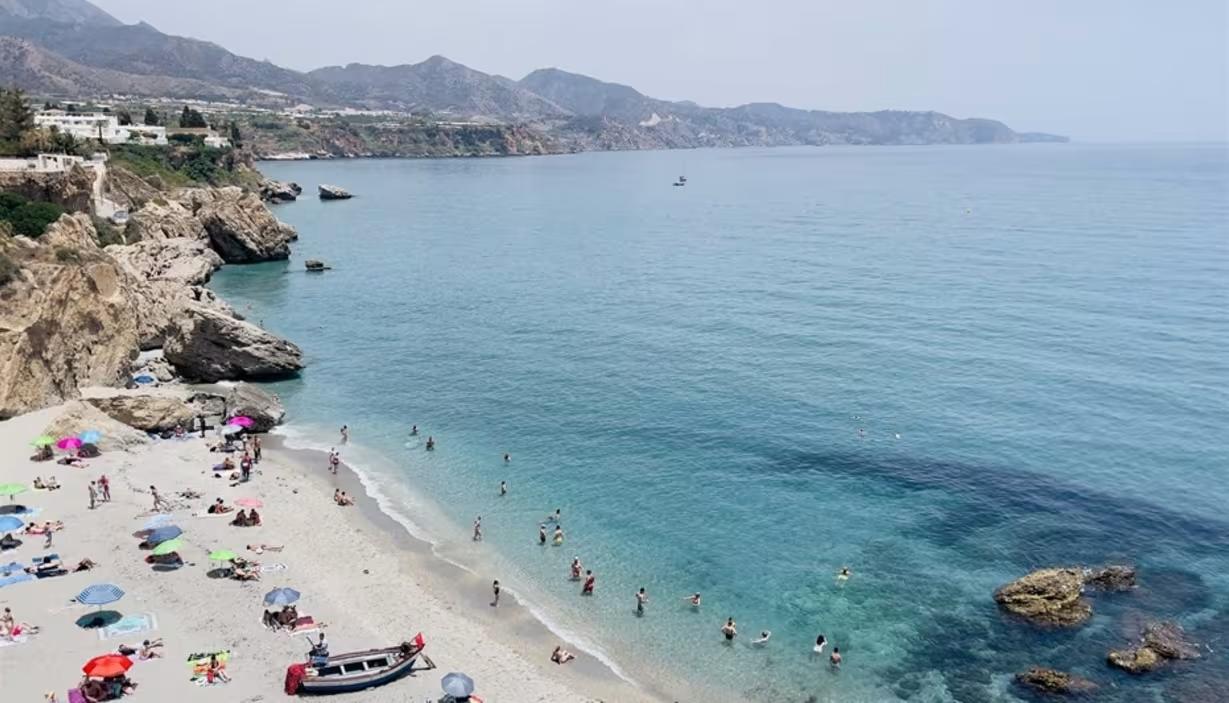
Burriana Beach is one of Nerja’s best-known and most complete beaches. Its family-friendly atmosphere, seafront promenade and wide selection of nearby restaurants, beach bars and services make it a convenient option for spending the whole day by the sea.
Facilities include showers, toilets, lifeguards, sunbed hire and adapted areas for people with reduced mobility. Water activities such as kayaking, paddleboarding and boat hire are also available.
One of its main attractions is the possibility of starting sea routes from here towards the Maro-Cerro Gordo cliffs, one of the most spectacular natural areas on Málaga’s eastern coastline.
Best for: families, water sports and visitors looking for a beach with full facilities.
Tip: it can become very busy in summer and parking is often difficult, so arriving early is advisable.
2. Los Boliches Beach, Fuengirola
Los Boliches forms part of a long urban stretch connected to Las Gaviotas and other beaches in Fuengirola. Its fine, dark sand, generally calm waters and easy access make it one of the municipality’s most popular beaches.
It lies next to a lively promenade lined with restaurants, cafés, shops and beach bars. Facilities include public toilets, showers, foot-washing stations, children’s areas and sports equipment.
Its proximity to Los Boliches Cercanías train station makes it easy to reach without a car.
Best for: families, visitors without a vehicle and those looking to combine the beach with restaurants and shops.
Tip: it is particularly busy in July and August, although its size means quieter areas can often be found farther from the main entrances.
3. Cabopino Beach and the Artola Dunes, Marbella
Cabopino offers an unusual combination in Marbella: beach, nature and a marina in the same area.
The beach stretches alongside the protected Artola Dunes, crossed by wooden walkways that allow visitors to explore the landscape without damaging the ecosystem. The sand is light in colour and entry into the water is generally gradual, making it suitable for swimming.
Restaurants and beach bars can be found around Cabopino Marina, while the areas closer to the dunes retain a more natural atmosphere. One end of the beach has a long-standing naturist tradition.
Best for: couples, nature lovers and visitors looking for a different beach experience near Marbella.
Tip: nearby parking areas can fill up quickly on summer weekends.
4. La Malagueta Beach, Málaga
La Malagueta is Málaga city’s most iconic urban beach. It is located close to the historic centre, the port and Muelle Uno, making it easy to combine a beach day with cultural sightseeing or dining.
It is approximately 1.2 kilometres long, has a seafront promenade and generally calm waves. Beach bars, sports areas, children’s facilities and seasonal lifeguard services are spread along the shore.
Its central location and public transport connections make it one of the most accessible beaches for visitors exploring Málaga without a car.
Best for: city breaks, groups of friends and visitors who want all services nearby.
Tip: it can become very crowded during peak season, particularly around the main access points.
5. La Carihuela Beach, Torremolinos
La Carihuela combines beach life, fishing tradition and one of the best-known dining areas on the Costa del Sol.
The former fishing district still preserves narrow streets and restaurants specialising in fried fish, grilled sardines and Mediterranean cuisine. In front of them lies a wide urban beach equipped with sunbeds, showers, toilets, beach bars and seasonal services.
Its promenade allows visitors to walk towards central Torremolinos or continue in the direction of Puerto Marina in Benalmádena.
Best for: gastronomy, seaside walks and lively beach days.
Tip: it is also a good option outside the summer season, as many restaurants remain open for much of the year.
6. La Cala de Mijas Beach
La Cala Beach occupies a central position in one of Mijas’ most popular coastal districts. It is over one kilometre long, has fine sand, easy access and a wide selection of beach restaurants.
Facilities include toilets, lifeguards, sunbeds and adapted areas for people with reduced mobility. The coastline is also connected to the Senda Litoral coastal path, making it suitable for walking and exploring nearby beaches.
The Torreón de La Cala watchtower adds a historical element to the landscape and recalls the area’s fishing and defensive past.
Best for: families, people with reduced mobility and walks along the Senda Litoral.
Tip: central La Cala experiences heavy traffic in summer, so using public transport or arriving early is recommended.
7. El Bajondillo Beach, Torremolinos
Located between La Carihuela and Playamar, El Bajondillo is one of the most central and busiest beaches in Torremolinos.
Its dark sand, spacious shoreline and proximity to hotels, shops and restaurants make it particularly convenient for tourists staying in the area. It offers lifeguard services, seasonal facilities, beach bars and good swimming conditions.
One of its most recognisable features is El Morro, the natural rock formation that historically separated El Bajondillo from La Carihuela and can now be walked around via the promenade.
Best for: tourists staying in Torremolinos and visitors looking for a well-connected urban beach.
Tip: it is possible to walk down from central Torremolinos, although the uphill return should be taken into account.
8. El Cañuelo Cove, Nerja
El Cañuelo is one of the most distinctive beaches in this selection. It lies within the Maro-Cerro Gordo Cliffs Natural Area, close to the border between Málaga and Granada.
It is the largest beach within the protected area and is surrounded by cliffs, Mediterranean vegetation and clear waters. Its seabed and abundant marine life make it especially popular for snorkelling.
Its natural setting means it has fewer facilities than an urban beach, and access is more controlled during peak season, when restrictions on private vehicles may apply.
Best for: snorkelling, nature and visitors looking for clear waters and a quieter atmosphere.
Tip: suitable footwear is recommended for entering the water, and summer access conditions should be checked in advance.
9. Playa del Cristo, Estepona
Playa del Cristo forms a small sheltered cove next to Estepona Marina. Its orientation and protected shape reduce waves and help keep the water calm and relatively warm.
These characteristics make it one of the most popular beaches for families with young children. It has dark sand, a gradual entry into the sea, beach bars and a range of facilities for spending the whole day there.
Its west-facing position also makes it a particularly good place to watch the sunset.
Best for: families with children, calm swimming and late-afternoon beach visits.
Tip: its small size means it fills up quickly during peak season, so arriving early is recommended.
10. Carvajal Beach, Fuengirola
Carvajal is located at the eastern end of Fuengirola, close to the border with Benalmádena. It extends for approximately 1.2 kilometres and has fine, dark sand.
Its waters are generally calm, and facilities include showers, foot-washing stations, public toilets, beach bars, children’s areas and spaces for paddleboarding and other activities.
It also provides adapted access and assisted bathing services for people with reduced mobility at designated points during the season.
Best for: families, water activities and visitors who prefer to stay away from central Fuengirola.
Tip: Carvajal Cercanías station provides convenient access, although some routes from the station to the beach involve a steep slope.
Which Costa del Sol beach should you choose?
The best option will depend on the type of experience you are looking for:
- For families with children: Playa del Cristo, La Cala de Mijas or Burriana.
- For snorkelling: El Cañuelo Cove.
- For restaurants and beach bars: La Carihuela, Burriana or Los Boliches.
- For combining the city and the beach: La Malagueta or El Bajondillo.
- For nature: Cabopino and the Artola Dunes.
- For water sports: Carvajal, Burriana or Los Boliches.
During July and August, it is advisable to arrive early, use public transport whenever possible and check sea conditions, bathing flags and access restrictions before travelling.
The selection is based on reviews and ratings published on Tripadvisor’s official page about the best beaches on the Costa del Sol.

Latest news





Upcoming events
12
Nov
El Desembarco, la traición de Viriato at La Caja Blanca
12
Nov
HOMER El Mero Mero at Sala Trinchera Málaga
13
Nov
Marbella Startup Lab – Innovate & Collaborate
13
Nov
Candlelight: Coldplay & Imagine Dragons at Sala Fundación Unicaja María Cristina
13
Nov
Candlelight: Tribute to Ludovico Einaudi at Anantara Villa Padierna
Similar News
Calahonda, the Málaga Beach Named Among Europe's Most
