Spring Plans That Never Fail in Malaga: Route, Village, and Where to Eat Well
From the Axarquía to the Serranía, perfect one-day combinations to walk along spectacular trails, discover charming villages, and dine at restaurants with good value for money.
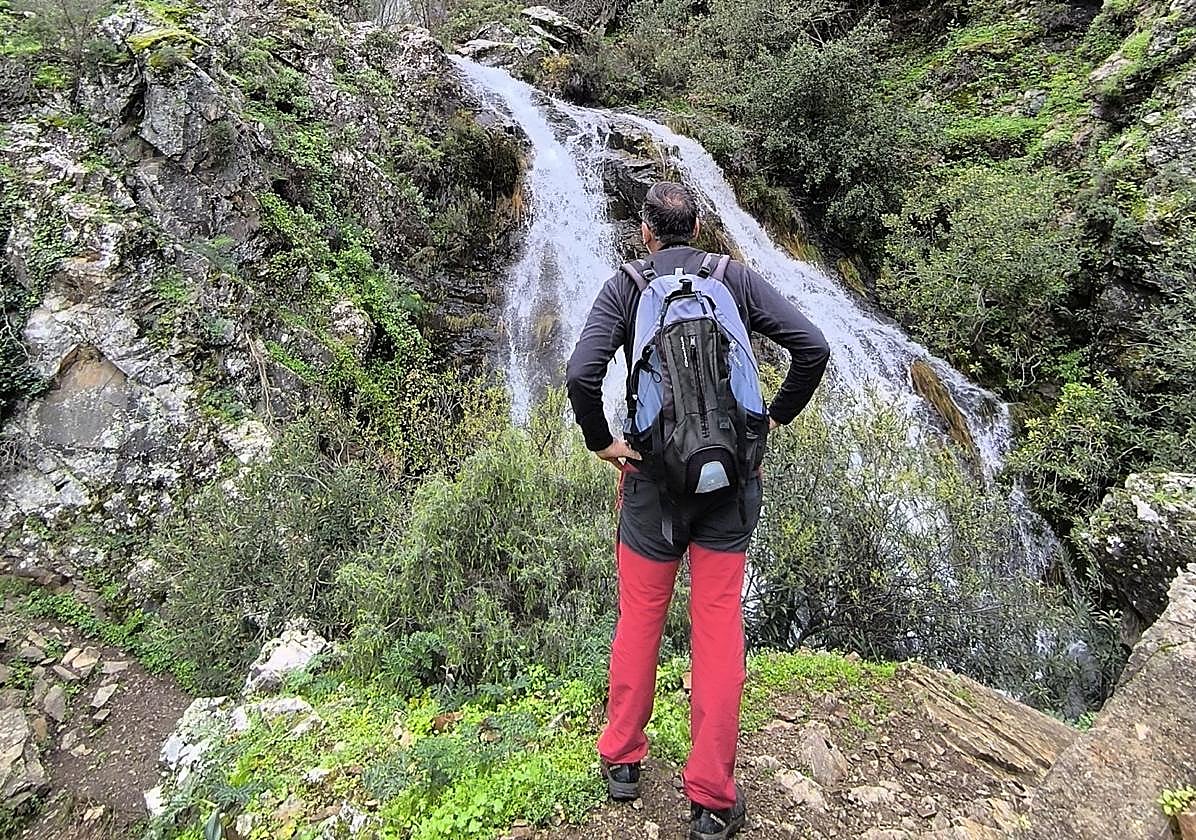

Spring is the best time to explore Málaga beyond the coast: hiking trails with water features, charming villages and restaurants where you can round off the day with great value for money. Across the province, there are combinations that work like clockwork: day trips that let you start with a walk, continue wandering the streets and finish at the table without having to travel far. From the Serranía de Ronda to the Axarquía or the Sierra de las Nieves, these six suggestions bring together three key elements that never fail: an accessible trail, a village with its own character and a place to eat well after the walk.
Starting the day in Alpandeire with the Sendero de los Huertos is almost a statement of intent: a short, circular route (barely 3.8 kilometres and around an hour and a half) that allows you to immerse yourself, without rushing, in the traditional agricultural landscape of the Genal Valley, amongst irrigation channels, irrigation ponds, small fruit trees and the remains of old mills where the water sets the pace of the walk. The route starts in the town centre itself, next to what is known as the ‘cathedral of the Serranía’, and returns to the same point, making it easy to link directly with a stroll through this small but surprising village, the birthplace of Fray Leopoldo, where there is no shortage of curiosities such as the mummies preserved in its church, the ‘French Wall’ built to defend against Napoleon’s troops, or the imposing parish church that dominates the town centre.
After the walk, the day’s plan is rounded off with hardly any further travel at La Casa Grande, a restaurant housed in former stables with a cosy atmosphere, where the cuisine draws inspiration from the local area with dishes rooted in the mountain region’s recipes and vegetables from its own garden, alongside oven-baked and charcoal-grilled meats — from Iberian pork to suckling goat or lamb — and hearty stews that vary with the seasons, all accompanied by wines from the Serranía de Ronda.
Further information:
In Canillas de Aceituno, the itinerary starts right from the village itself with one of those short but intense routes that encapsulate the best of the most mountainous Axarquía: the trail to the Cueva de la Fájara, a linear route of just 2.1 kilometres (about 50 minutes one way) that descends along stage 8 of the Gran Senda de Málaga to the source of the River Bermuza. The path, winding through pine forests and limestone sections, becomes particularly interesting in its final stretch, where extreme caution is required before reaching this unique cave where, following heavy rain, water can gush out forcefully from within. A more demanding alternative would be the route leading to the spectacular Saltillo Bridge, but ideal conditions are needed to tackle it.
In any case, after the walk, it is well worth stopping off in the village of Canillas, one of the province’s major hiking destinations, perched on the slopes of the Sierra Tejeda with views of the Mediterranean, where its Al-Andalus heritage — visible in its layout or in buildings such as the Casa de los Diezmos — coexists with the stunning natural surroundings.
The meal is rounded off at La Sociedad, a classic establishment where the star of the show is the wood-fired Malaga suckling goat, which should be ordered in advance if you wish to enjoy it in its most traditional form, although you can also opt for other dishes such as goat with garlic or hearty stews such as fennel stew.
Further information:
In Tolox, the itinerary begins in the vicinity of the Fuente Amargosa spa with the Sendero de las Cascadas, a linear route of around 3.9 kilometres (approximately 1 hour and 45 minutes one way) that takes you into one of the most spectacular landscapes of the Sierra de las Nieves, especially in spring, when the water takes centre stage. The route, which has a circular version, can be shortened and done as a one-way walk. In this case, it would be of medium difficulty. It requires wading across the River de los Caballos several times before reaching such striking spots as the Poza de la Virgen and, above all, the Rejía Waterfall, with a drop of over 50 metres and considered the highest in the province.
After the exertion, the return to the town centre invites you to lose yourself in Tolox, a village with a distinctively Andalusian layout where its past as a fortress can still be sensed in the Rinconada del Castillo, a labyrinth of narrow, winding streets that preserves remains of the walls, passageways and much of its historical essence. The itinerary concludes at Enebro, a restaurant that combines tradition and contemporary cuisine with a particular focus on seasonal produce, where local specialities such as tolita soup in spring are never in short supply, alongside more creative offerings such as snail stew, stew croquettes with mint mayonnaise, or dishes that reinterpret Malaga’s culinary heritage from a fresh perspective, with a fitting finale such as its goat’s cheese tart from the Sierra de las Nieves.
Further information:
In Casares, the itinerary begins within its own territory, though very close to Manilva, in one of the most unique landscapes of southern Spain: the Canuto de la Utrera trail, a linear route of some 3.2 kilometres (around an hour and a quarter one way) that traverses what is considered the southernmost karst landscape in Europe. Amidst limestone walls shaped over millions of years, the trail enters the so-called Canuto Grande, a spectacularly steep-sided valley that opens out onto the surroundings of the River Manilva and the Baños de la Hedionda, a historic site linked even to legends from Roman times. After the walk, the visit involves getting in the car and heading to the village.
The historic centre of Casares, one of the most outstanding in the province and declared a Historic-Artistic Site, where white houses climb up to a castle of Arab origin from which both the Serranía and the Campo de Gibraltar are overlooked.
Wandering through its winding streets allows you to understand its Andalusian past and discover corners full of character before rounding off the day at Villa 42, a very different proposition from the usual: a private home converted into an intimate dining room where, by prior reservation, traditional menus featuring local produce are served in a space carved out of the rock, with just four tables and an almost clandestine atmosphere that turns the meal into a very personal experience.
Further information:
In Casabermeja, the plan begins with one of those routes that reward the effort with views hard to match: the climb up Cerro Mallén, a linear route of some 5.2 kilometres (around two and a quarter hours one way) that ascends from the vicinity of the La Huerta industrial estate to one of the province’s great panoramic viewpoints. As you gain height, the landscape opens up to reveal a mosaic of mountain ranges — from Tejeda to Las Nieves or El Torcal — on a route with hardly any shade, which means you’ll need to take it easy. After the walk, the tour continues through the town centre of Casabermeja, where highlights include the San Sebastián cemetery —considered one of the most unique in Spain— and the church of Nuestra Señora del Socorro, which dominates the town’s skyline.
From there, the visit can be extended to include other sites within the municipality that require short trips, such as the cave paintings at Peñas de Cabrera, the thousand-year-old olive tree at Arroyo Carnicero or the watchtower at Zambra, access to which involves yet another hiking route. The tour concludes at La Huerta restaurant, one of the municipality’s leading culinary landmarks, where traditional cuisine reigns supreme, with a special focus on Malaga-style suckling goat—roasted or with garlic—alongside hearty stews and substantial dishes rooted in the local repertoire. And, by the way, it’s not a bad idea to consider it as a starting point too: you can have breakfast there before setting off on the route with its popular ‘Juanito’ sandwich, one of those classics that have become part of the town’s culinary identity.
Further information:
To round off this selection, there’s an option that enhances the experience without the need for long journeys: the Ruta de los Molinos, a circular route of around 7 kilometres (taking roughly 2 hours and 45 minutes) that links the town centres of Árchez and Canillas de Albaida through the Turvilla river valley. The route, featuring footbridges, irrigation channels and old water mills, allows you to move from one village to another almost without realising it, turning the day out into a double visit with a single starting point. In Canillas de Albaida, it is well worth stopping at spots such as the chapel of Santa Ana, whose origins may be linked to an ancient Al-Andalus fortress, as well as its well-preserved town layout.
On the other side, Árchez boasts one of the finest examples of Mudejar architecture in the province, with its 14th-century minaret—a true symbol of the village—as well as a white-washed hamlet that preserves the essence of the most traditional Axarquía. To round off the day, the suggestion is to head to Venta El Curro, on the outskirts of Árchez, where grilled meats —especially Argentine-style cross-roasts— become a real weekend gastronomic spectacle. And, although this is the chosen stop, it’s worth bearing in mind that Canillas de Albaida also offers excellent dining options, further reinforcing the idea of this itinerary shared between two villages that are practically next door to each other.
Further information:

Latest news



Upcoming events
17
Sep
La Pequeña Cuba Gastro-Cultural Festival in San Pedro Alcántara 2026
18
Sep
World Wellness Weekend Marbella 2026
18
Sep
Candlelight: Queen vs. ABBA in Málaga
18
Sep
Candlelight: Coldplay and Imagine Dragons in Málaga
18
Sep
3 de Corazones – Pancho Céspedes, Enrique Ramil and José Luis Jaén in Málaga
Similar News

Málaga Airport Makes History with More Than Three Million Passengers in One Month
Málaga

Port of Málaga looks beyond its docks to support future growth
Málaga
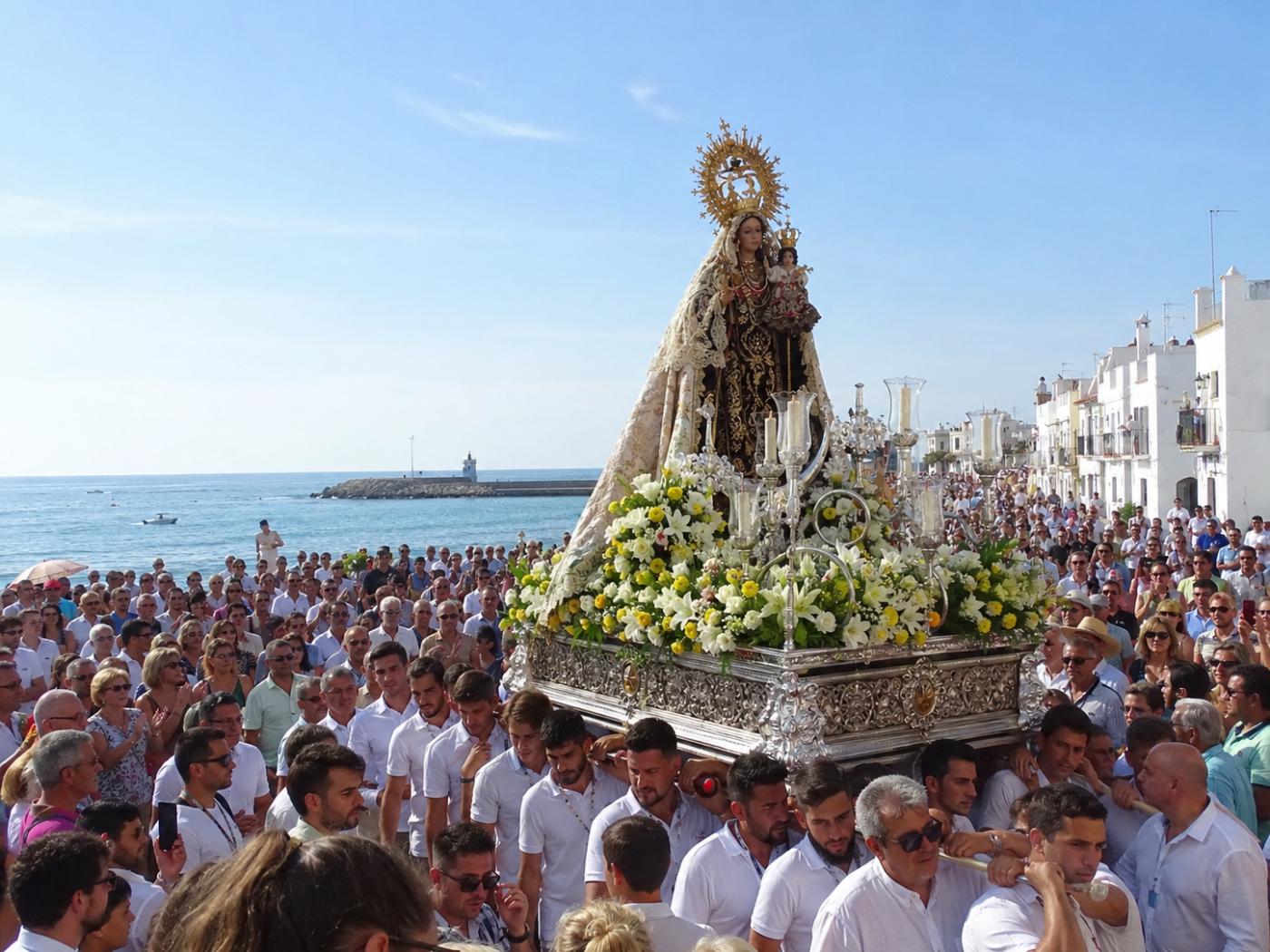
Guide to the Virgen del Carmen Processions in Málaga and the Province
Málaga