Theater with Trauma
The Cánovas Theater hosts 'Vulcano' this weekend, with production by the National Dramatic Center

A few days ago, when the war against Iran began, I was surprised that those who then defended it (now there are fewer) used as an argument the assassination... of Ayatollah Khomeini in the initial bombings. Yes, the world has one less tyrant, but to achieve this, we already have thousands of dead. If instead of "Khomeini is dead" the headlines were "168 girls died in an Iranian school in the bombings that killed Khomeini," perhaps we would be more scrupulous in analyzing the facts. But, I fear, the traumas are far below the narrative.
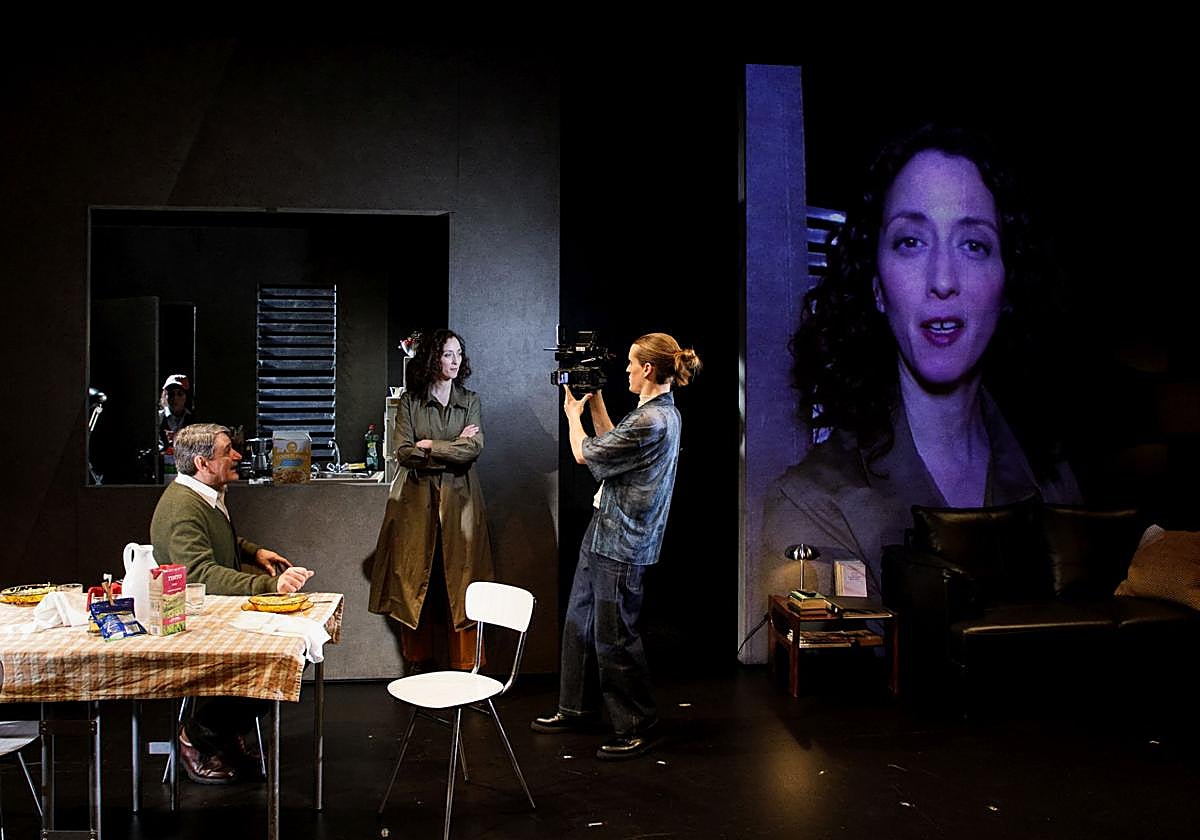
This comparison with current events comes to mind when watching 'Vulcano', by Catalan playwright Victoria Szpunberg. I was able to see it in El Ejido, where a renewed Teatro Cánovas has been programming contemporary dramaturgies for just over a year that usually do not reach the rest of the theaters in Malaga. An interesting mix of young people and neighborhood residents gathered on Friday to see a play premiered at the National Dramatic Center in March last year, by an author who is the latest winner of the National Award for Dramatic Literature, and which addresses the arrival of a reporter and a cameraman (named Eliseo, like the prophet) into the life of a humble family that has just experienced a tragedy. The interests of the narrative is something we have already seen in fiction (I recommend two movies: Billy Wilder's 'The Big Carnival' and Dan Gilroy's 'Nightcrawler'), what's special in this case is that the family is the one that has more trouble accepting the facts in front of some chroniclers, directed by an absent Ovid who acts as the macho father of all stories, who are indeed concerned about the purity of the truth.
However, all this is a long introduction to talk about how narratives, whether they stick to reality or not, create the identity of our communities, be it family or country, and also hide traumas that need to be repeated to be healed. A device, that of questioning the truth of the theater itself through staging within staging, which is starting to become almost a cliché among contemporary authors. This play has something of the wonderful 'The Walworth Farce', by Enda Walsh. Theater with trauma and trauma with theater. And in this, director Andrea Jiménez is like a fish in water. Her indispensable 'Casting Lear' in another way, wondered something similar. And her way of understanding the scene, as a game, leads to live video, to lip-syncing, to singing badly, to breaking the fourth wall, to narration within narration, and whatever is needed.
But, after opening so many melons, so many cultured winks to the classics, the metatheatricality, the modernity... it falls short in a want and almost can. There are good moments of humor and claustrophobia, tenderness and sorrow, but it's all too obvious, too explanatory (after watching the father limp throughout the play, he himself needs to clarify that he is a counterpart of Vulcan), and it doesn't quite turn the first theme with the second. It seems like two plays in one. And it's a pity because the cast tries hard, wants to have fun, but seems a bit out of place. There is nothing that makes me more uncomfortable than watching actors standing still watching another's performance, and the play sometimes forces this. Javi Coll and Belén Ponce de León stand out, who are really funny, and Eneko Sagardoy, who has something magnetic that steals the scenes.
The audience was laughing heartily throughout the play and applauded enthusiastically at the end. This is my story. Also my traumas. You may activate yours, perhaps heal them, by watching the play. Saturday 11th, second and last performance at Teatro Cánovas. And may the god Vulcan not catch you with a mobile in hand.

Latest news


Upcoming events
17
Sep
La Pequeña Cuba Gastro-Cultural Festival in San Pedro Alcántara 2026
18
Sep
World Wellness Weekend Marbella 2026
18
Sep
Candlelight: Queen vs. ABBA in Málaga
18
Sep
Candlelight: Coldplay and Imagine Dragons in Málaga
18
Sep
3 de Corazones – Pancho Céspedes, Enrique Ramil and José Luis Jaén in Málaga
Similar News
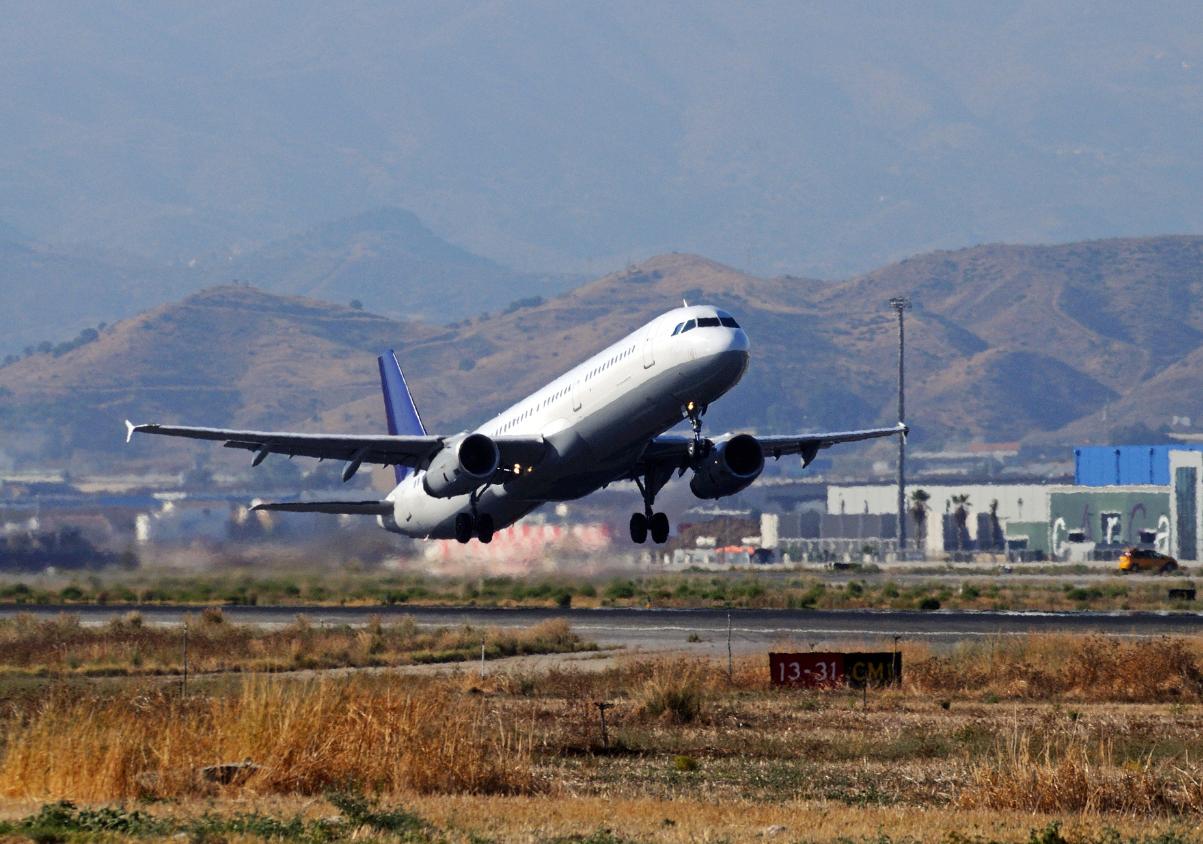
Málaga Airport Makes History with More Than Three Million Passengers in One Month
Málaga
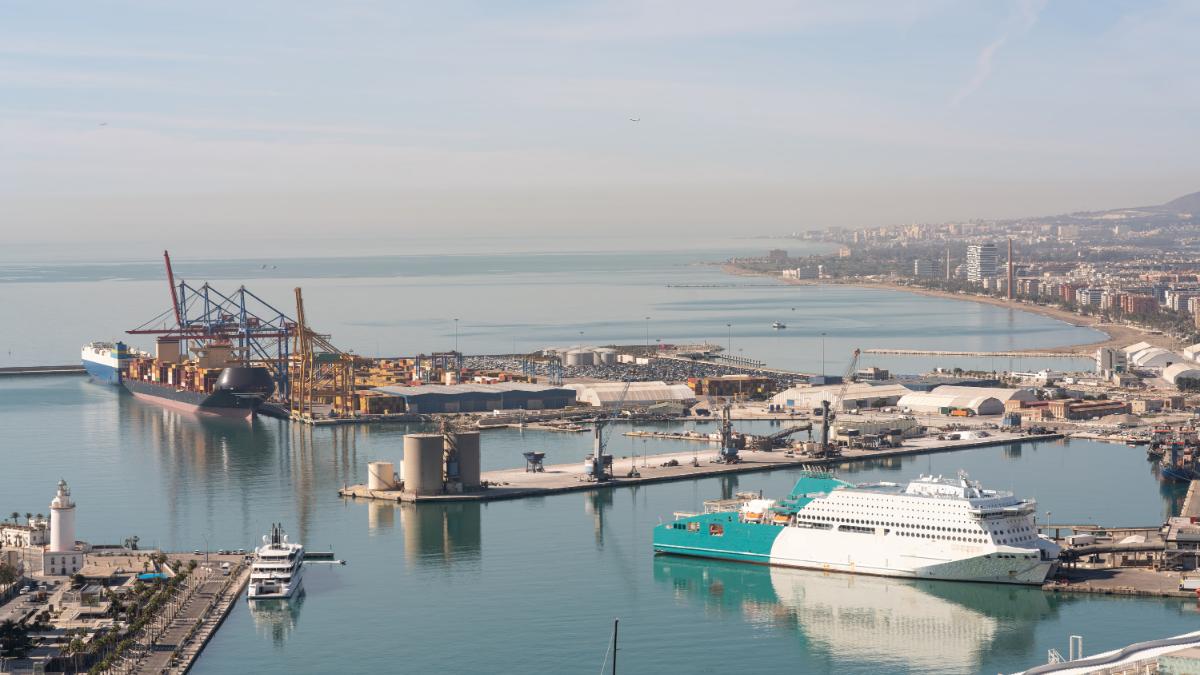
Port of Málaga looks beyond its docks to support future growth
Málaga
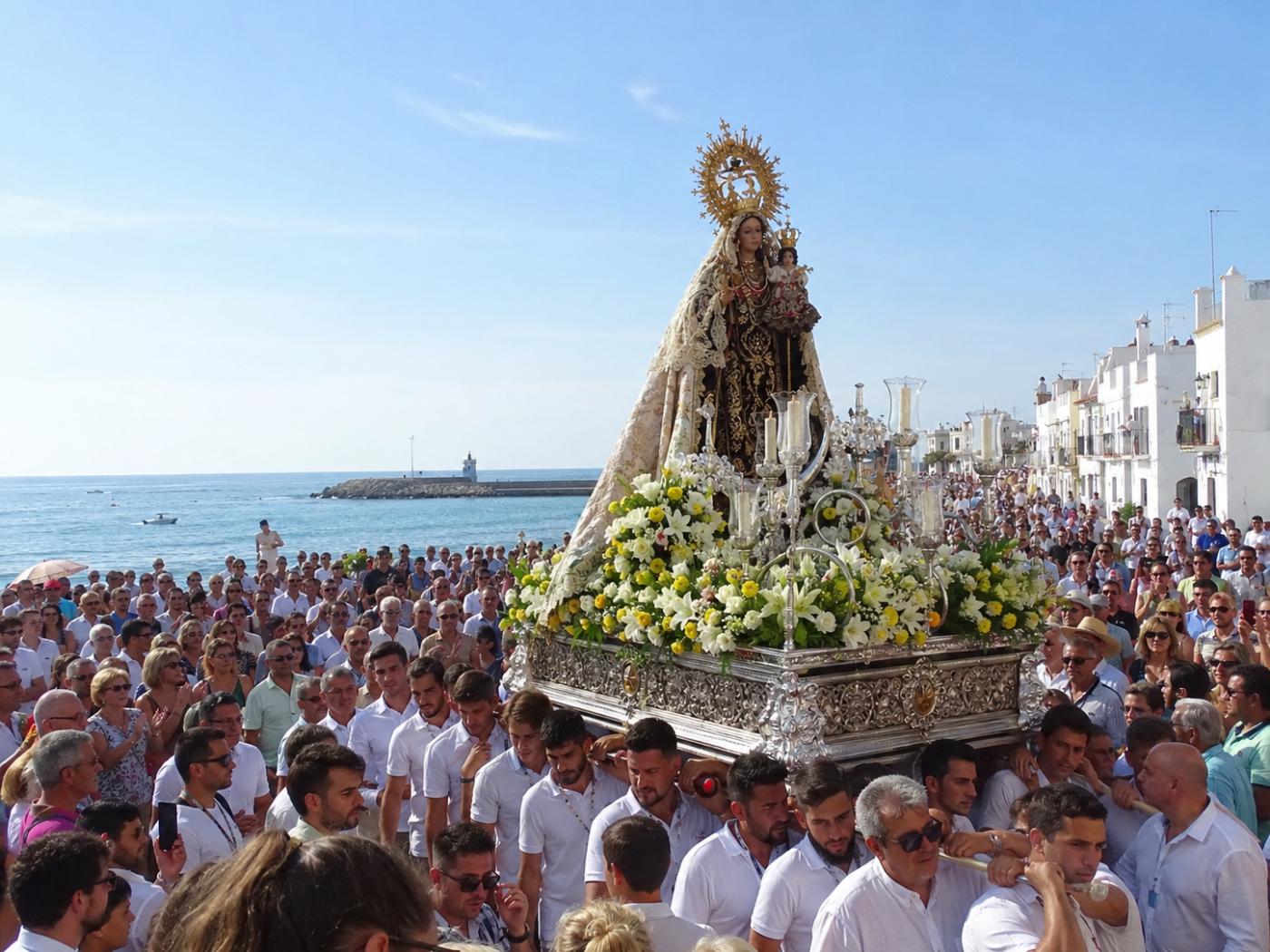
Guide to the Virgen del Carmen Processions in Málaga and the Province
Málaga