



Picasso Memory and Desire exhibitions in Malaga
Event details
1 January 2026 until 12 April 2026

In the 1920s and 1930s, European society developed by intertwining powerful and dramatic paradoxes. The devastating implementation of colonialism continued, and extreme nationalism would eventually lead lethally from one war to another. Despite this, many men and women transformed their mindsets and social values towards liberating emancipation. Modern Art spread across broad social circles and at the same time, began to be questioned by emerging authoritarian political regimes. The dialectic between permanence and change was incessant. The present repositioned the memory of a past that remained implicated in everyday life. However, new ways of life and thought propelled a continuous desire for transformation. Memory and desire.
The myth of technical and scientific progress raised doubts, but this did not prevent the strong promotion of continuous self-analysis and the aspiration to revise inherited identities. The subject wanted to redefine itself. Surrealism –not without contradictions– widely permeated the entire creative environment. The dynamic relationship between memory and desire showed that the present was not a stopped moment, but a continuous flow of interactions. The complex dialogue between everything experienced and everything yet to be lived was the engine of existence. Memory was not just an archive of the past: it was reactivated and became contemporary in response to the demands of desire.
PICASSO MUSEUM MÁLAGA
Palacio de Buenavista San Agustín, 8
29015 Málaga, Spain
Tel.: 952 12 76 00
Web: www.museopicassomalaga.org
Regular hours:
July-August: daily from 10 a.m. to 8 p.m.
September-October: daily from 10 a.m. to 7 p.m.
November-February: daily from 10 a.m. to 6 p.m.
March to June: daily from 10 a.m. to 7 p.m.
Free admission on Sundays during the last two hours of opening.
Similar events


Candlelight: Coldplay & Imagine Dragons at Sala Fundación Unicaja María Cristina
Sala Fundación Unicaja María Cristina, Málaga, Málaga
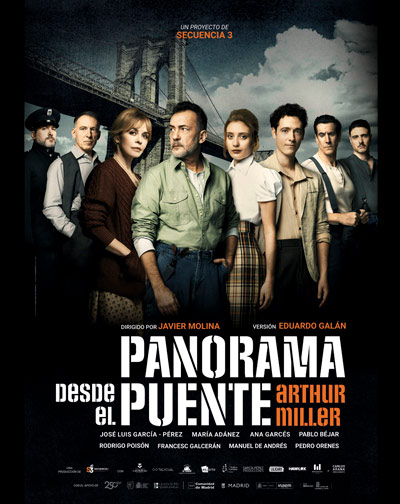
A View from the Bridge – Arthur Miller at Teatro del Soho
Teatro del Soho CaixaBank, Málaga, Málaga
Candlelight: Tribute to Ludovico Einaudi at Anantara Villa Padierna
Salón Linares, Marbella, Málaga
Candlelight: Queen vs. ABBA at Sala Fundación Unicaja María Cristina
Sala Fundación Unicaja María Cristina, Málaga, Málaga

Madonna & 80s and 90s Icons Tribute by Diva Fever in Marbella
La Sala Puerto Banús, Marbella, Málaga

Candlelight: Tribute to Mecano at Gran Hotel Miramar
Salón Real del Gran Hotel Miramar, Málaga, Málaga

Candlelight: Tribute to La ley innata at Gran Hotel Miramar
Salón Real del Gran Hotel Miramar, Málaga, Málaga


Candlelight: Tribute to Joan Manuel Serrat at Sala Fundación Unicaja María Cristina
Sala Fundación Unicaja María Cristina, Málaga, Málaga


Candlelight: Tribute to Adele at Sala Fundación Unicaja María Cristina
Sala Fundación Unicaja María Cristina, Málaga, Málaga

Candlelight: Tribute to Hans Zimmer at Gran Hotel Miramar
Salón Real del Gran Hotel Miramar, Málaga, Málaga

Candlelight: Vivaldi's Four Seasons at Gran Hotel Miramar
Salón Real del Gran Hotel Miramar, Málaga, Málaga


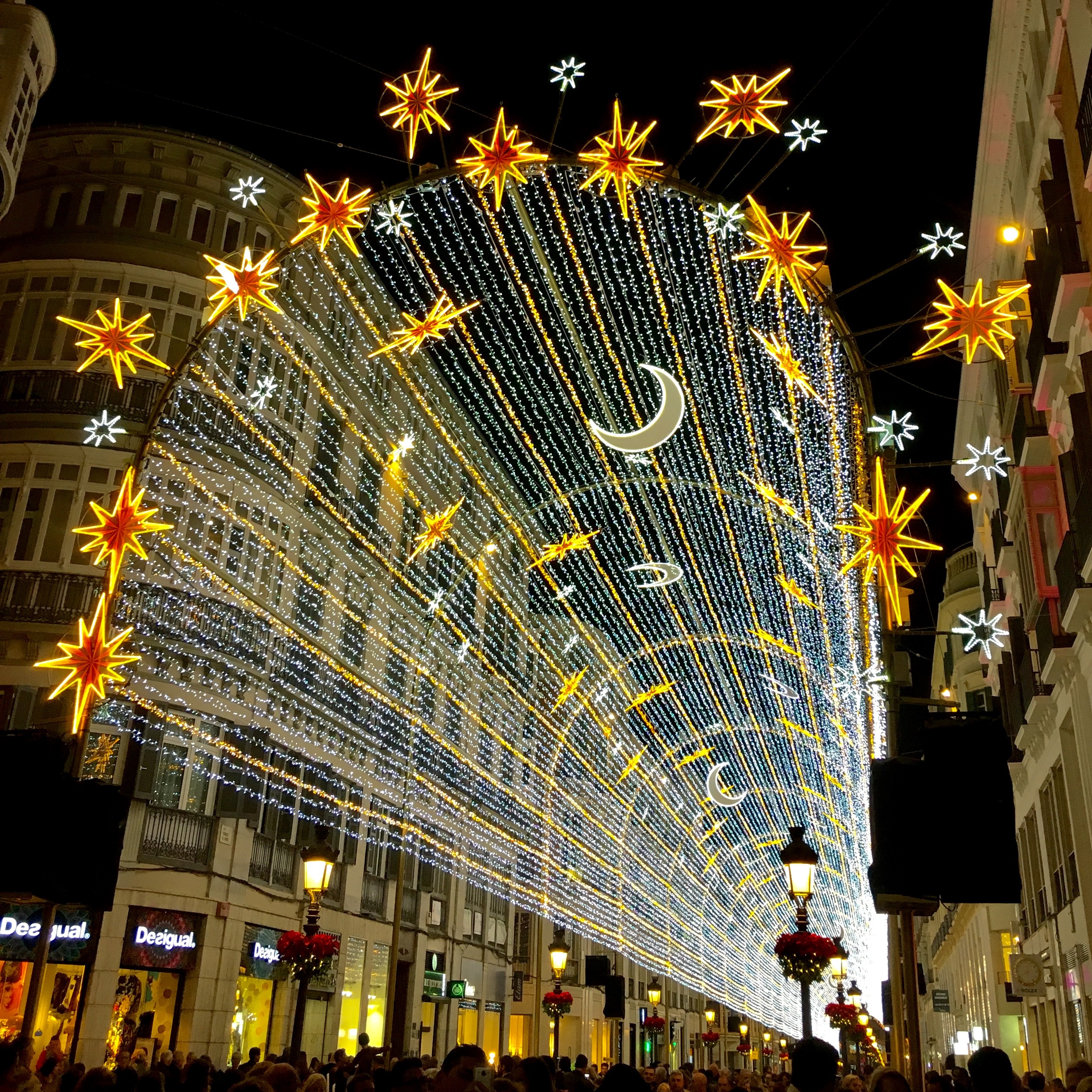
Málaga Christmas Lights Switch-On 2026
Calle Marqués de Larios y Plaza de la Constitución, Málaga, Málaga

Candlelight: Michael Jackson at Sala Fundación Unicaja María Cristina
Sala Fundación Unicaja María Cristina, Málaga, Málaga
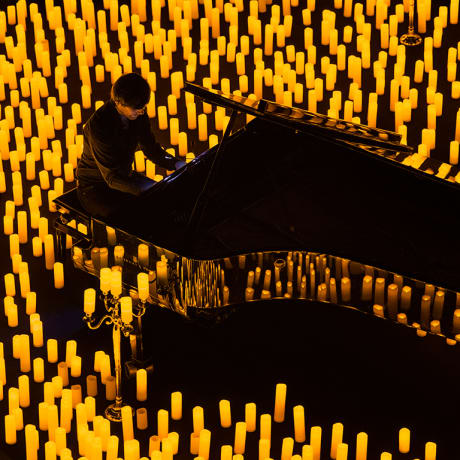
Candlelight: Tribute to Ludovico Einaudi at Sala Fundación Unicaja María Cristina
Sala Fundación Unicaja María Cristina, Málaga, Málaga

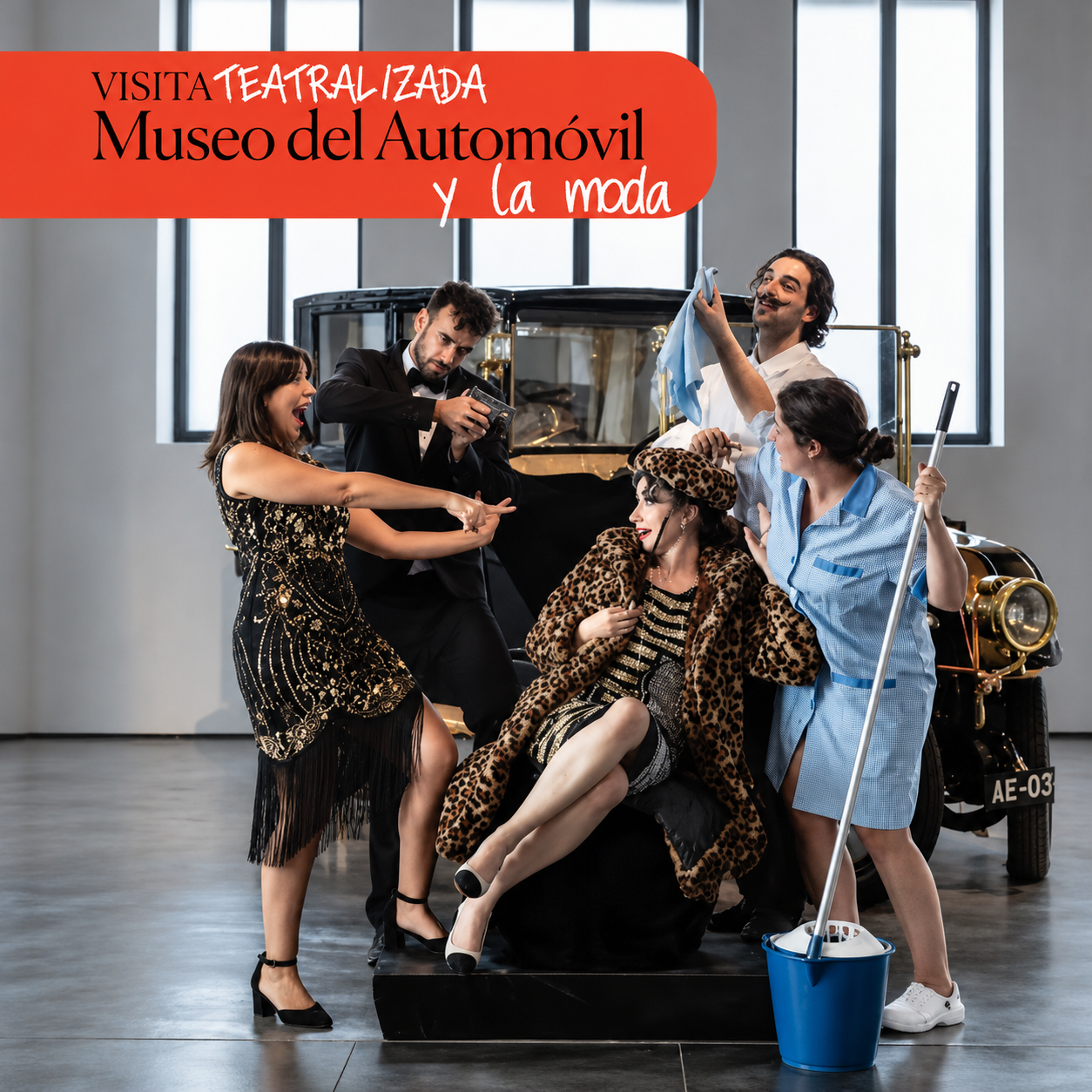
Discover Málaga’s Automobile and Fashion Museum – Theatrical Tour
Museo del Automóvil y la Moda, Málaga, Málaga

Candlelight: Tribute to Phil Collins at Museo Carmen Thyssen Málaga Date: Saturday, 28 November 2026.
Museo Carmen Thyssen Málaga, Málaga, Málaga
Candlelight: Tribute to Mecano at Museo Carmen Thyssen Málaga
Museo Carmen Thyssen Málaga, Málaga, Málaga

Candlelight: Tribute to La ley innata at Gran Hotel Miramar
Salón Real del Gran Hotel Miramar, Málaga, Málaga

Candlelight: Rock Classics at Gran Hotel Miramar
Salón Real del Gran Hotel Miramar, Málaga, Málaga


Blues Brothers Tribute “Soul Mission” in Málaga and Marbella
Palacio de Congresos y Exposiciones Adolfo Suárez, Marbella, Málaga

Blues Brothers Tribute “Soul Mission” in Málaga
FYCMA – Palacio de Ferias y Congresos de Málaga, Málaga, Málaga


Christmas Concert at the Soho – Larios Pop Symphony Orchestra
Teatro del Soho CaixaBank, Málaga, Málaga

El agua detenida – Miguel Poveda’s Acting Debut in Málaga
Teatro del Soho CaixaBank, Málaga, Málaga


CanelaParty 2027 – 20th Anniversary
Recinto Ferial de Torremolinos, Málaga, Torremolinos, Málaga

