


Training in Cold Weather on the Costa del Sol: How to Warm Up, Dress and Avoid Injury
The Costa del Sol’s mild climate can create a false sense of security. Humidity, wind, rain and temperature differences between the coast and inland Málaga make it necessary to adapt warm-ups, clothing and exercise intensity during the winter months.
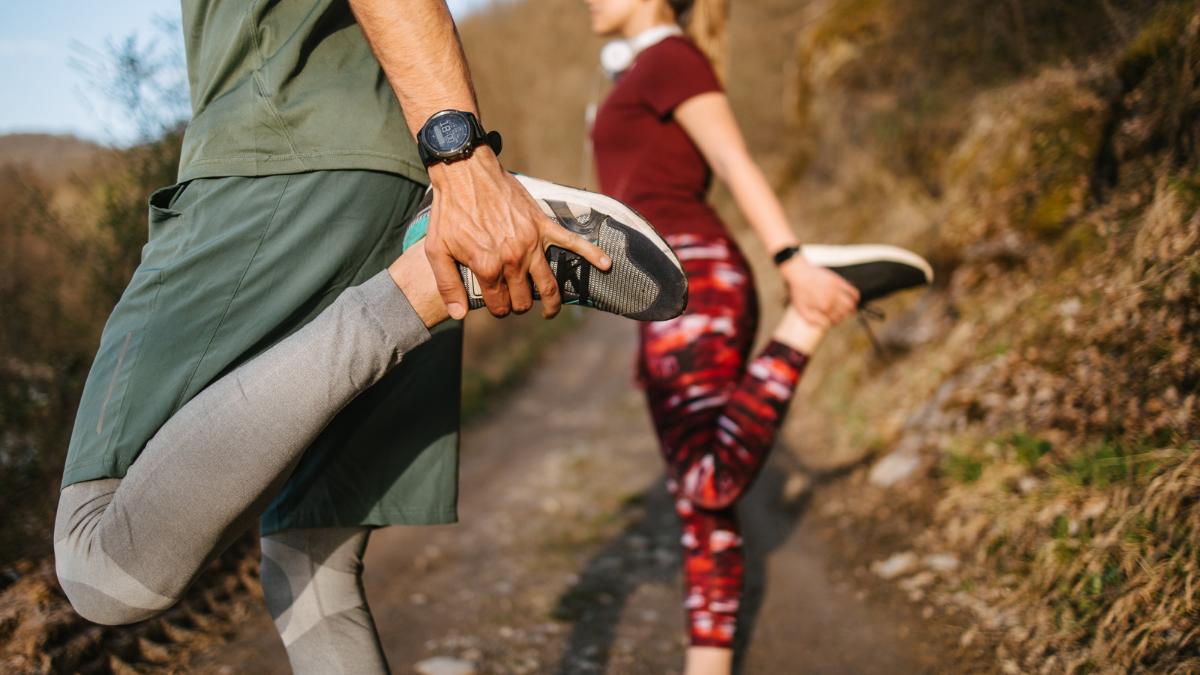

Cold weather also affects outdoor exercise in Málaga
Málaga is famous for its mild climate and abundant sunshine, but outdoor winter exercise still requires preparation. Runners, cyclists, hikers and people training early in the morning may face low temperatures, wind and high humidity.
Conditions can also vary considerably across the province. Running along the seafront in Marbella, Fuengirola or Málaga city is very different from exercising in Ronda, Antequera, the Sierra de las Nieves or the Montes de Málaga.
Even on the coast, wind and wet clothing can increase heat loss once exercise intensity falls.
Warm up for 10 to 15 minutes
Starting a session with sprints, rapid accelerations or maximum effort is not advisable in cold conditions. Muscles and joints need time to adapt before performing demanding movements.
A dynamic warm-up lasting between 10 and 15 minutes should begin with gentle aerobic activity. Walking briskly or jogging slowly allows the body to increase its temperature and heart rate progressively.
Mobility exercises for the ankles, knees, hips, shoulders and spine can then be added, followed by controlled movements related to the planned activity.
The purpose is not simply to feel warmer. A good warm-up also prepares the cardiovascular system, joints and neuromuscular coordination.
How to dress for winter exercise
One of the most common mistakes is wearing too much clothing. Sportswear should provide protection without preventing sweat from escaping, as excessive moisture can make the body feel colder later.
A flexible layering system makes it easier to adapt to temperature, wind, rain and exercise intensity.
Base layer
The garment touching the skin should wick moisture away from the body. Technical polyester, polypropylene and merino wool are suitable options.
Cotton is not ideal for intense sessions because it absorbs moisture and dries slowly.
Insulating layer
A light fleece or thermal garment helps retain warmth. This may be particularly useful in inland Málaga or during low-intensity activities.
On milder days along the coast, it may not be required.
Outer layer
A lightweight, breathable windbreaker is useful on exposed coastal routes. If rain is expected, the outer garment should also offer water resistance.
The aim is not to wear every layer throughout the session, but to add or remove clothing as conditions change.
Humidity can be deceptive
Málaga usually records average relative humidity above 70% in November. Even when temperatures are not particularly low, humidity, wind and perspiration can create uncomfortable conditions.
This becomes especially noticeable during long pauses or immediately after exercise. Wet clothing can cool the body quickly once it stops generating the same amount of heat.
Avoid remaining outdoors in damp clothes and change into a dry top as soon as possible after training.
Watch out for wet surfaces
Cold-weather precautions are not limited to body temperature. Runners and walkers should also consider the condition of the ground.
Seafront paving, wooden walkways and areas covered with leaves can become slippery after rain. Inland trails may contain mud, standing water or ice during particularly cold periods.
Footwear should provide adequate grip. If conditions are unsafe, reduce your speed, change the route or exercise indoors.
Drink even when you do not feel thirsty
Cold weather can reduce the sensation of thirst, but the body continues losing water through breathing and perspiration.
Hydration should therefore be maintained before, during and after exercise, particularly during long running, cycling or hiking sessions. Waiting until strong thirst develops is not a reliable strategy.
Choose the right time of day
Average minimum temperatures in Málaga city are around 11°C in November, 9°C in December and 7°C in January. Inland areas can be considerably colder.
When possible, exercising in the late morning or early afternoon provides warmer temperatures and better visibility.
Check the weather forecast before leaving, paying attention to wind, rain, humidity and official warnings as well as the temperature.
Who should take extra care?
People with asthma or sensitive airways may experience more discomfort when breathing cold air. During gentle exercise, breathing through the nose can help warm and humidify incoming air.
Older adults, people with cardiovascular conditions, those with a history of arrhythmias or fainting, and anyone who has previously suffered a cold-related injury should also be particularly cautious.
Medical advice may be appropriate before beginning intense exercise in demanding weather conditions.
When to stop exercising
Stop the session if you experience persistent shivering, numbness, confusion, poor coordination, chest pain, severe breathing difficulties or a sudden loss of feeling in your hands or feet.
You should also seek shelter if your clothing becomes completely soaked and you cannot change into something dry.
Essential advice for cold-weather exercise in Málaga
- Complete a dynamic warm-up lasting 10 to 15 minutes.
- Increase intensity gradually.
- Wear breathable, removable layers.
- Avoid cotton directly against the skin.
- Use a windbreaker on exposed coastal routes.
- Protect hands, ears and feet on colder days.
- Choose footwear with adequate grip.
- Stay hydrated even when you do not feel thirsty.
- Change out of wet clothes immediately.
- Check the forecast before exercising on the coast or in the mountains.
Winter does not have to prevent outdoor exercise in Málaga or on the Costa del Sol. Adapting each session to the actual conditions makes it possible to enjoy the province’s climate more safely.

Latest news



Upcoming events
22
Nov
ODISEA – Film Symphony Orchestra: The Greatest Film Soundtracks Live in Concert
22
Nov
Candlelight: Tribute to Hans Zimmer at Gran Hotel Miramar
22
Nov
Candlelight: Vivaldi's Four Seasons at Gran Hotel Miramar
23
Nov
Drive Your Plow Over the Bones of the Dead – Teatro Echegaray, Málaga
25
Nov
La Cubana – La cuisine de ma cousine in Málaga
