From Nerja to Manilva: a Roman route along Málaga’s coastline
Villas, baths, fish-salting factories and archaeological collections reveal the Roman past of the Costa del Sol, with many of the remains located just a short distance from the Mediterranean.
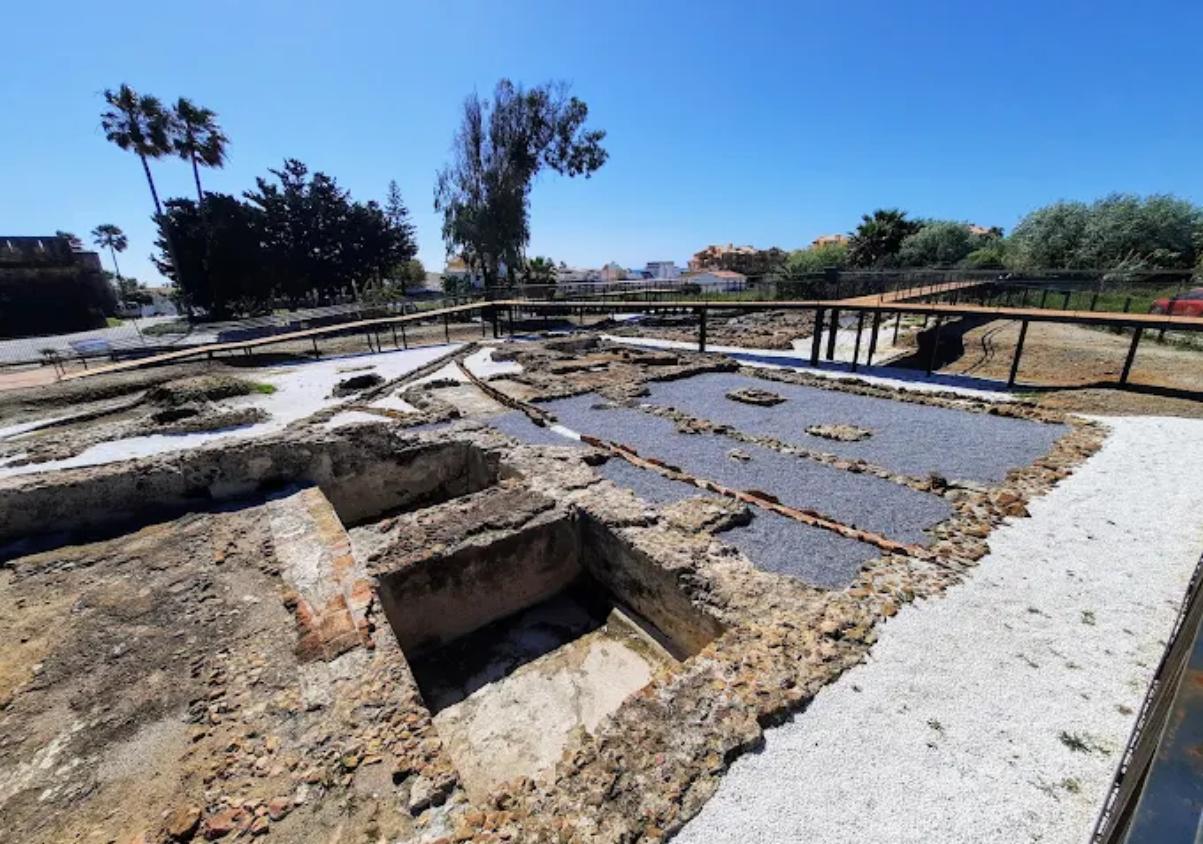

The Costa del Sol is usually associated with beaches, seafront promenades and white villages, but beneath many of its modern towns lies a much older Málaga. The Romans left an important legacy along almost the entire coastline of the province, especially through maritime trade, fishing and the production of salted fish.
From Nerja to Manilva, it is possible to follow a fascinating archaeological route along the coast and discover some of these remains.
Nerja: start the journey inside a museum
The first stop can be the Nerja Museum, located in Plaza de España.
Although the town is best known for its prehistoric heritage, the permanent exhibition also explores later periods of local history, including a section dedicated to the Roman era.
It is a useful introduction before continuing west towards some of the most important Roman remains in the Axarquía.
Torrox: a Roman villa beside the lighthouse
Just a few kilometres away, the area around the Torrox Lighthouse combines sea views with the remains of the Roman settlement traditionally identified as Clavicum.
Archaeological work has uncovered a villa, baths, a fish-processing and salting complex, pottery facilities and a necropolis.
Together, these remains offer a glimpse into how a Roman coastal settlement could function around fishing, trade and the Mediterranean.
Málaga: from the Roman Theatre to ancient garum factories
In Málaga city, the Roman past appears right in the historic centre.
The Roman Theatre, built during the reign of Emperor Augustus, stands at the foot of the Alcazaba and is the most visible monumental reminder of ancient Malaca.
But there is another, lesser-known stop only a short walk away.
On the ground floor of the University of Málaga Rectorate, on Avenida Cervantes, visitors can see tanks that once formed part of a Roman fish-salting and garum factory.
These remains highlight how important fishing and the production of preserved fish products were to Málaga’s Roman economy.
Benalmádena: the Roman villa of Benalroma
The route continues to Benalmádena Costa, where the Centro de la Historia is connected to the archaeological site of Benalroma.
Part of the centre is dedicated to this Roman villa, displaying finds that help explain everyday life and Roman settlement in the municipality.
Visitors can also explore Benalmádena’s archaeological collections for a broader look at the area’s history.
Fuengirola: baths and fish-salting facilities
Fuengirola offers two particularly interesting Roman stops.
The first is Finca del Secretario, one of the town’s main archaeological sites. Excavations uncovered a complex that included a thermal area, industrial facilities, a fish-salting factory and pottery workshops.
The site is also associated with discoveries such as the famous Venus of Fuengirola.
Another option is the Roman Baths of Torreblanca, an archaeological area adapted with walkways and information panels to make the site easier to explore.
Marbella: mosaics and remarkable Roman baths
Marbella has two major Roman sites worth visiting.
Close to Puerto Banús is the Roman Villa of Río Verde, particularly famous for the quality of its mosaics. Their designs include marine motifs, kitchen utensils and a striking representation of Medusa.
A short distance away, in Guadalmina Baja, are the Roman Baths of Las Bóvedas, an unusual thermal building that still preserves part of its complex vaulted architecture.
Together, the two sites provide one of the clearest examples of Roman life on this stretch of the Costa del Sol.
Manilva: villa, baths and a fish-salting factory
The route ends near the western edge of Málaga province, at El Castillo de la Duquesa in Manilva.
Here, one archaeological complex brings together several elements closely associated with Roman coastal life: a maritime villa, baths, a necropolis and a fish-salting factory.
The nearby Municipal Archaeological Museum, located in the Castillo de la Duquesa, houses objects recovered from the site and provides further context for the visit.
A different Costa del Sol, following the traces of Rome
What makes this route particularly interesting is that many of the remains are located very close to the Mediterranean.
That is no coincidence. The sea was a vital transport route, while fishing, salted products and garum, the famous Roman fish sauce, played an important role in the local economy.
Two thousand years later, villas, mosaics, baths and old factories can still be found among promenades, modern neighbourhoods and seaside towns, offering a very different way to explore the Costa del Sol.
Before setting out, opening times and access conditions can be checked through the official websites of the Nerja Museum, Torrox Tourism, Málaga Roman Theatre, Benalmádena Town Hall, Fuengirola Town Hall, Marbella Historical Heritage and Manilva Town Hall.

Latest news


Upcoming events
17
Sep
La Pequeña Cuba Gastro-Cultural Festival in San Pedro Alcántara 2026
18
Sep
World Wellness Weekend Marbella 2026
18
Sep
Candlelight: Queen vs. ABBA in Málaga
18
Sep
Candlelight: Coldplay and Imagine Dragons in Málaga
18
Sep
3 de Corazones – Pancho Céspedes, Enrique Ramil and José Luis Jaén in Málaga
Similar News
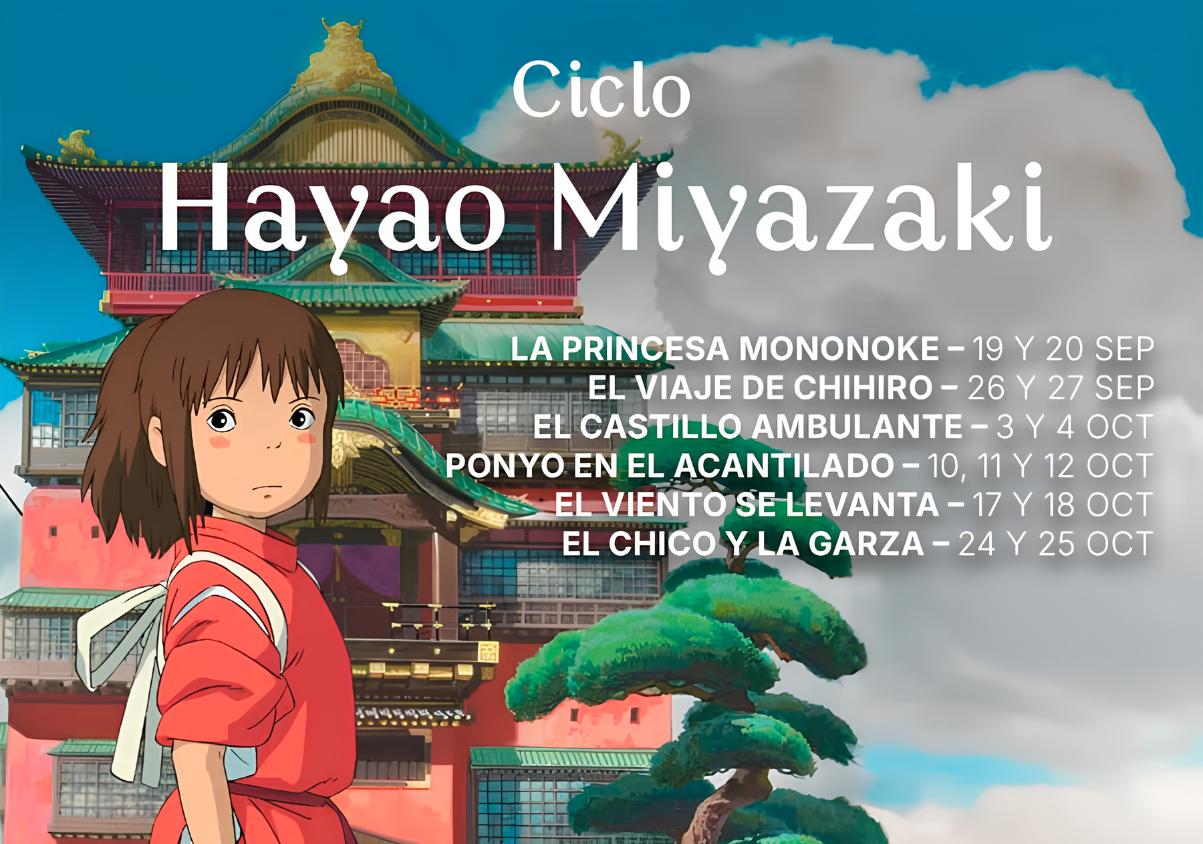
Studio Ghibli returns to cinemas in Málaga: six Hayao Miyazaki films this September and October
Costa del Sol
What to Do on the Costa del Sol This Weekend: Eight Plans from 11 to 13 September
Costa del Sol
5 natural pools and river spots in Málaga with restaurants and accommodation nearby
Costa del Sol