Back to school in Málaga: how to restore routines without overwhelming children
Gradually adjusting bedtimes, bringing back regular meal schedules and preparing children emotionally for school can make the September transition much easier for the whole family.
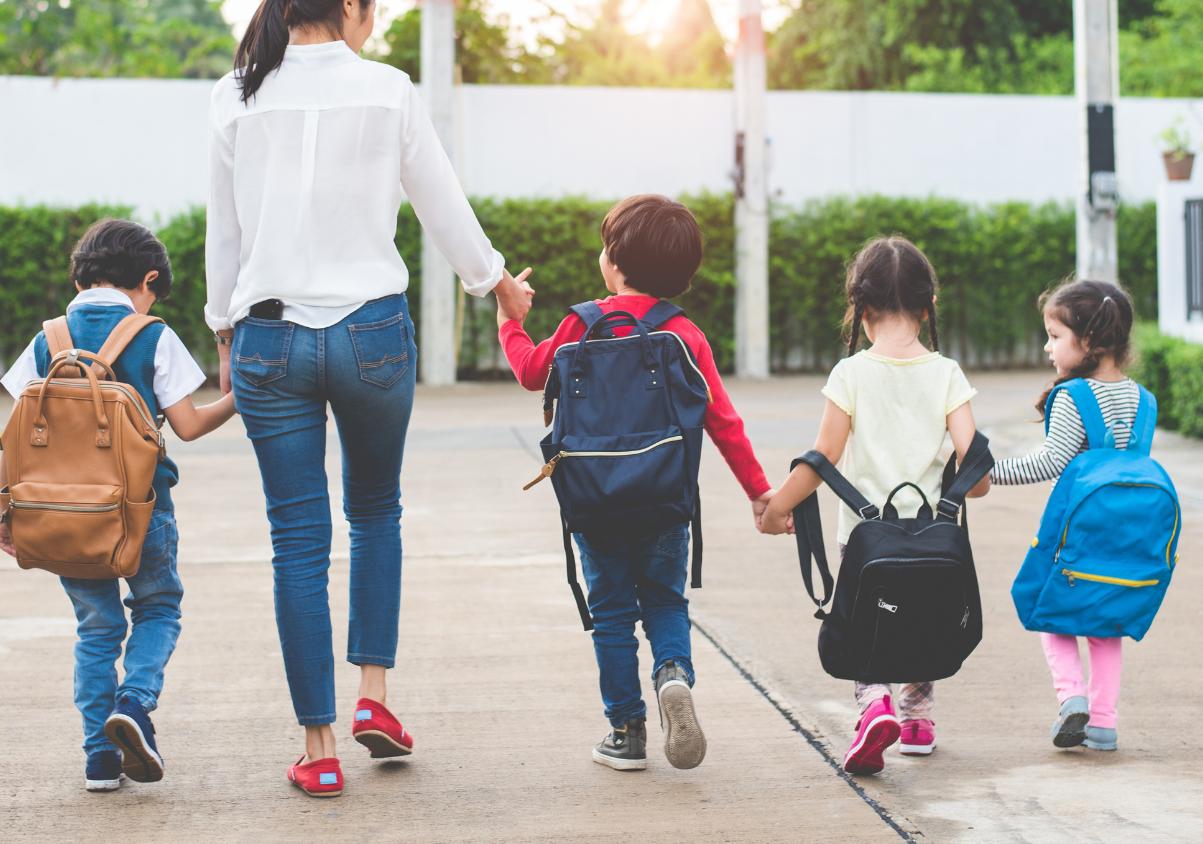

September means backpacks, alarm clocks and timetables return after several weeks of more relaxed family routines. During the summer holidays, children often go to bed later, eat at different times and spend their days with fewer obligations. Trying to restore the school routine overnight can make the first few days unnecessarily difficult.
Specialists at Hospital Quirónsalud Málaga recommend treating the return to school as a gradual process. The key is not to change every habit at once, but to start moving closer to the usual school timetable before classes begin.
Sleep, diet, physical activity and emotional preparation can all help make the return to the classroom smoother.
Adjust sleep schedules several days in advance
One of the biggest changes after summer is usually sleep.
During July and August, children often go to bed and wake up later. If the school timetable is restored only on the night before the first day, getting up early can become a real challenge.
The recommendation is to gradually bring bedtime and wake-up time forward during the days before school starts, moving closer to the schedule the family will follow during term time.
It can also help to reintroduce regular times for breakfast, lunch and dinner so the body begins adapting before school commitments return.
Prepare children emotionally as well
The transition is not only about alarm clocks.
For some children, returning to school means seeing friends and teachers again and can be exciting. For others, especially younger children, going back after several weeks away may cause nerves, reluctance or uncertainty.
Talking naturally about school before term starts can help. Mentioning classmates, discussing activities they enjoy or involving children in preparing their backpack and school supplies can make the return feel more familiar.
The aim is not to make back-to-school season feel like a stressful event, but to present it as a normal transition after the holidays.
Tiredness and irritability can be normal at first
Even with some preparation, the first few days may still feel different.
Children can be more tired, irritable or resistant to getting up early and following new schedules.
Keeping routines predictable and giving them a few days to adapt can be more effective than expecting them to return immediately to a full school rhythm.
It may also be worth avoiding an overloaded extracurricular schedule from day one. A gradual return can make the change from holidays to school less abrupt.
Return to balanced eating without extreme changes
Summer also tends to change eating habits.
Ice creams, meals out, snacks and irregular schedules are often part of the holidays. September is a good opportunity to bring back more fruit, vegetables, cereals and fresh foods as part of a varied diet.
The goal is not to compensate for summer excesses with restrictive diets, but to return to habits that can be maintained throughout the school year.
For children, regular breakfast, lunch, snack and dinner times can also help rebuild a sense of routine.
Bring physical activity back gradually
Exercise is another important part of the transition.
High summer temperatures can reduce activity levels, so it is not advisable to jump immediately from several quieter weeks into a very intense schedule.
Gradually reintroducing outdoor play, walking, sport and other physical activities can help children become more active again while also supporting emotional wellbeing and social interaction.
The start of the school year can be a good moment to establish active habits that continue throughout the rest of the year.
Check school shoes too
Books, uniforms and backpacks often get most of the attention, but footwear matters as well.
Children’s feet are still developing, and school shoes are worn for many hours every week. They should therefore fit properly and be suited to the child’s actual foot size.
Specialists recommend footwear that is comfortable, flexible, breathable and well fitted, avoiding shoes that are either too tight or excessively large.
If a child experiences pain while walking, changes in their gait or unusual wear on their shoes, the start of term may also be a good time to seek professional advice.
September can help the whole family reset healthy habits
Although children are the focus of back-to-school planning, adults often go through a similar adjustment.
Returning to work means restoring sleep patterns, meal times and physical activity after the holidays. Establishing routines together can therefore make children feel that the new schedule is not something imposed only on them.
Earlier dinners, gradually reducing late nights, preparing mornings in advance and leaving backpacks or clothes ready the night before are simple changes that can reduce stress.
The central idea is straightforward: start preparing before the first day of school.
A few days of gradual adjustment can make the difference between beginning September with tiredness, rushed mornings and arguments or returning to school in a much calmer way.
Official recommendations on gradually restoring sleep, diet and physical activity habits after the summer can be found in the information published by Hospital Quirónsalud Málaga.

Latest news




Upcoming events
17
Sep
La Pequeña Cuba Gastro-Cultural Festival in San Pedro Alcántara 2026
18
Sep
World Wellness Weekend Marbella 2026
18
Sep
Candlelight: Queen vs. ABBA in Málaga
18
Sep
Candlelight: Coldplay and Imagine Dragons in Málaga
18
Sep
3 de Corazones – Pancho Céspedes, Enrique Ramil and José Luis Jaén in Málaga
Similar News

Winter time change in Málaga 2026: when the clocks go back and what time it happens
Costa del Sol

La Vuelta 2026 passes through Málaga this Friday: road closures, timings and EMT bus routes affected
Costa del Sol

Málaga’s Hospitality Sector Reaches Record High with 120,000 Workers
Costa del Sol