Piedra de Tarzán: Nerja’s Tiny Wild Beach with Turquoise Waters and a Sea Cave
Measuring barely 30 metres, this hidden cove between Maro and Cerro Gordo has preserved its unspoilt character thanks to a challenging descent and extremely limited parking.
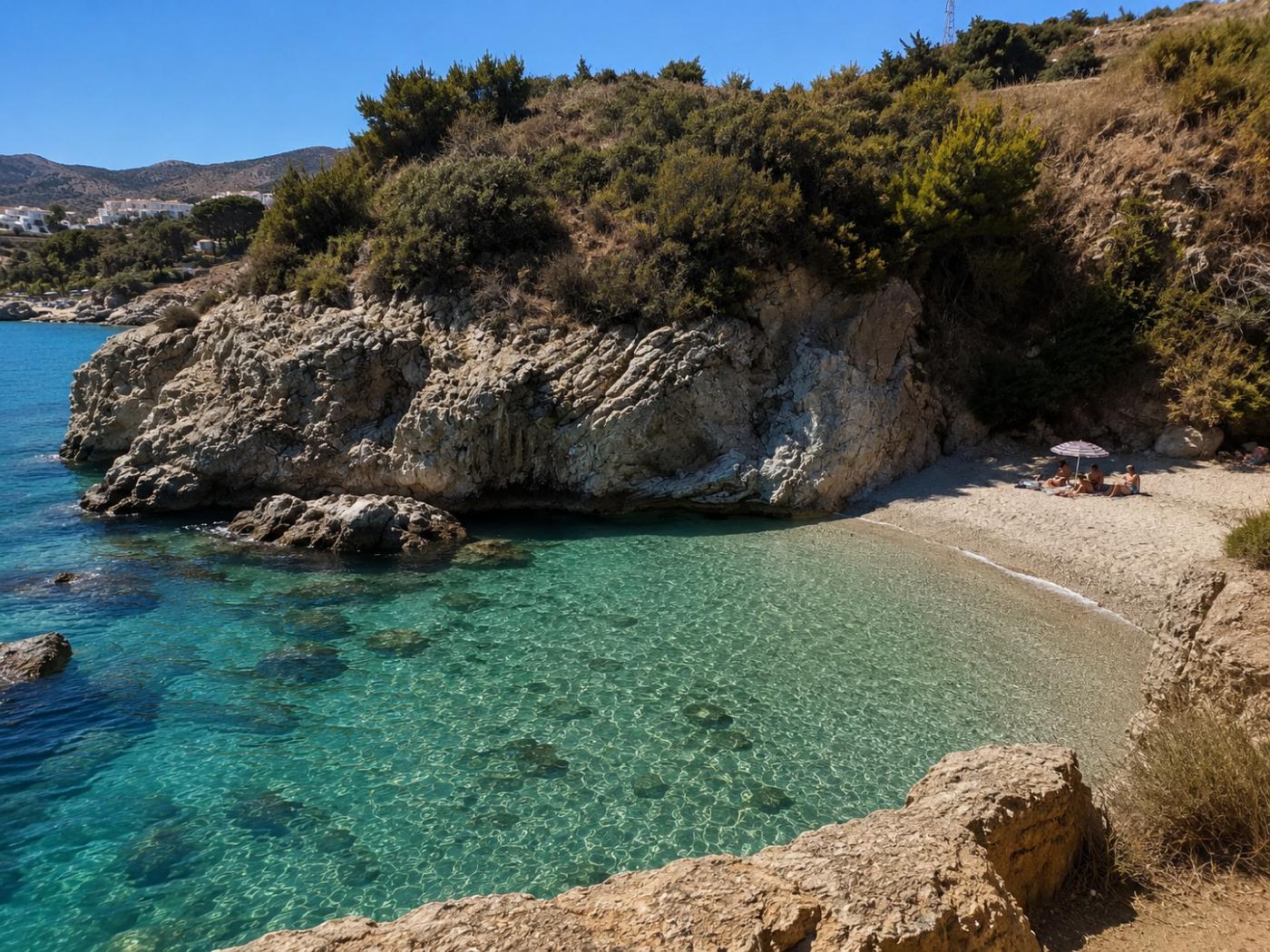

The eastern coast of Málaga still hides small corners far removed from large urban beaches and busy tourist areas. Surrounded by cliffs, rocky seabeds and transparent water, Piedra de Tarzán beach is a tiny cove in Nerja known for its striking natural scenery and a nearby sea cave that can be explored on guided tours.
Located between Maro and Cerro Gordo, the beach is approximately 30 metres long and enclosed by rocky walls that provide some protection from the waves.
Its limited size, difficult access and small nearby parking area have helped preserve its wild appearance. It is not an especially accessible beach and does not offer the wide range of services found at other Costa del Sol destinations, but that sense of isolation is precisely one of its main attractions.
A Tiny Beach Surrounded by Cliffs
Piedra de Tarzán lies along one of the most distinctive stretches of coastline in Málaga province.
Cliffs frame a small area of greyish sand and stones, creating a landscape where nature has a much stronger presence than buildings or tourism infrastructure.
Despite its modest dimensions, the beach feels open and expansive because of its uninterrupted views across the Mediterranean and the rocky formations extending along this part of the coast.
The lack of major development means that the sound of the sea, Mediterranean vegetation and cliff walls define much of the experience.
The cove may attract more visitors during the peak summer season, particularly at weekends, but its difficult access helps prevent the large crowds found at more accessible beaches.
Transparent Water and Rocky Seabeds
One of the most striking features of the cove is the clarity of its water.
When the sea is calm, the water takes on turquoise shades and offers clear views of parts of the seabed.
Stones, rocky formations and changing depths make the area particularly appealing for snorkelling and observing the marine life found along this section of the Mediterranean.
Water shoes are recommended because the entrance to the sea may include stones and uneven surfaces. Extra care should also be taken on days with waves, when visibility may decrease and currents can make swimming more difficult.
Visitors planning to take part in water activities should check sea conditions in advance and follow any safety instructions provided in the area.
The Rock That Gives the Cove Its Name
The most recognisable feature of the landscape is a large rock formation at one end of the beach.
Known locally as Piedra de Tarzán, or Tarzan’s Rock, it rises approximately five metres above sea level and has given the cove its popular name.
During the summer, some visitors use the rock as a point from which to jump into the water. However, this can be dangerous because water depth may change, rocks may be hidden below the surface and sea conditions can vary rapidly.
Checking the depth and surroundings is essential before considering any jump, although the safest option is to avoid jumping outside areas that are specifically authorised and supervised.
In addition to being a visual landmark, the rock partially shelters one end of the cove, helping the water remain calmer when maritime conditions are favourable.
Lobo Marino Cave, Hidden Beneath the Cliffs
Another of the area’s main attractions is Lobo Marino Cave, located beneath the cliffs near Piedra de Tarzán.
The continuous action of the sea has created a cavity containing natural galleries, mineral formations and small interior spaces shaped by erosion.
Inside, visitors may find rock structures, small underground beach areas and formations resembling stalactites and stalagmites.
The cave should not be explored independently by anyone without experience or detailed knowledge of the area. Access depends heavily on sea conditions and may involve risks related to currents, low light and the shape of the cavity.
Several active-tourism companies organise guided excursions that allow visitors to explore the cave with suitable equipment and professional supervision.
These trips often combine water-based activity with geological interpretation, explaining how the cave was formed and highlighting the natural value of Nerja’s coastline.
Close to the Famous Maro Waterfall
The beach is located near the well-known Maro Waterfall, one of the most photographed natural attractions in this part of the province.
The proximity of small coves, cliffs, caves and marine habitats makes this coastline especially popular for kayaking and organised sea excursions.
All activities should respect environmental restrictions and the regulations designed to protect the area.
The high number of boats and kayaks during certain summer days makes it particularly important to avoid leaving rubbish, maintain a safe distance from natural formations and refrain from disturbing marine wildlife.
A Difficult Access Route That Limits Crowds
Reaching Piedra de Tarzán requires leaving the more comfortable and frequently used routes along the coast.
A small parking area is located slightly more than 200 metres from the cove, but it has very limited capacity. Finding a space can be difficult during the busiest summer months.
From the parking area, visitors must follow a downhill path towards the beach. The terrain may be uneven and slippery, making the route unsuitable for everyone.
Families with very young children, people with reduced mobility and those unaccustomed to walking along rough paths should assess the conditions before beginning the descent.
Closed footwear is recommended for the walk, and the hottest hours of the day should be avoided because the climb back up can be physically demanding.
The difficult access and limited parking act as natural barriers to overcrowding and have helped the cove retain much of its original character.
A Beach with Very Few Tourist Services
Piedra de Tarzán does not offer the same infrastructure as Nerja’s urban beaches or other developed destinations along the Costa del Sol.
Visitors should bring sufficient water, sun protection and everything required for the day. All rubbish must also be removed before leaving.
Because the cove is small and surrounded by nature, any plastic, packaging or food waste can have a significant impact on the landscape and may easily end up in the sea.
The lack of services helps preserve its wild atmosphere, but it also makes advance planning essential.
Tips for Visiting Piedra de Tarzán
The cove is particularly appealing early in the morning, when there are usually fewer visitors and temperatures are cooler.
Checking sea conditions, wind and the weather forecast before travelling is strongly recommended.
Visitors should bring:
Suitable footwear for the descent and rocky areas.
Water shoes for entering the sea.
Enough drinking water and sun protection.
Snorkelling equipment when conditions are suitable.
A bag for taking all rubbish away from the beach.
Lobo Marino Cave should only be visited with specialised professionals and the necessary equipment.
One of Nerja’s Most Secluded Coastal Corners
Piedra de Tarzán brings together many of the characteristics associated with Málaga’s wildest coves: a tiny beach, difficult access, rocky seabeds, transparent water and a landscape dominated by cliffs.
The presence of Lobo Marino Cave adds considerable geological interest and makes the area much more than a place for sunbathing.
Its appeal depends directly on the conservation of the surrounding environment. Visiting responsibly, respecting wildlife and leaving no rubbish behind will be essential if this small cove is to remain one of the most distinctive and secluded places on Nerja’s coastline.
Location: Nerja coastline, between Maro and Cerro Gordo
Approximate length: 30 metres
Beach type: Greyish sand, stones and rocky seabeds
Main attractions: Turquoise water, snorkelling, Piedra de Tarzán and Lobo Marino Cave
Access: Moderately difficult descent on foot
Parking: Small and extremely limited
Services: Very limited
Recommendation: Check sea conditions before visiting
Information source: Málaga Hoy

Latest news




Upcoming events
17
Sep
La Pequeña Cuba Gastro-Cultural Festival in San Pedro Alcántara 2026
18
Sep
World Wellness Weekend Marbella 2026
18
Sep
Candlelight: Queen vs. ABBA in Málaga
18
Sep
Candlelight: Coldplay and Imagine Dragons in Málaga
18
Sep
3 de Corazones – Pancho Céspedes, Enrique Ramil and José Luis Jaén in Málaga